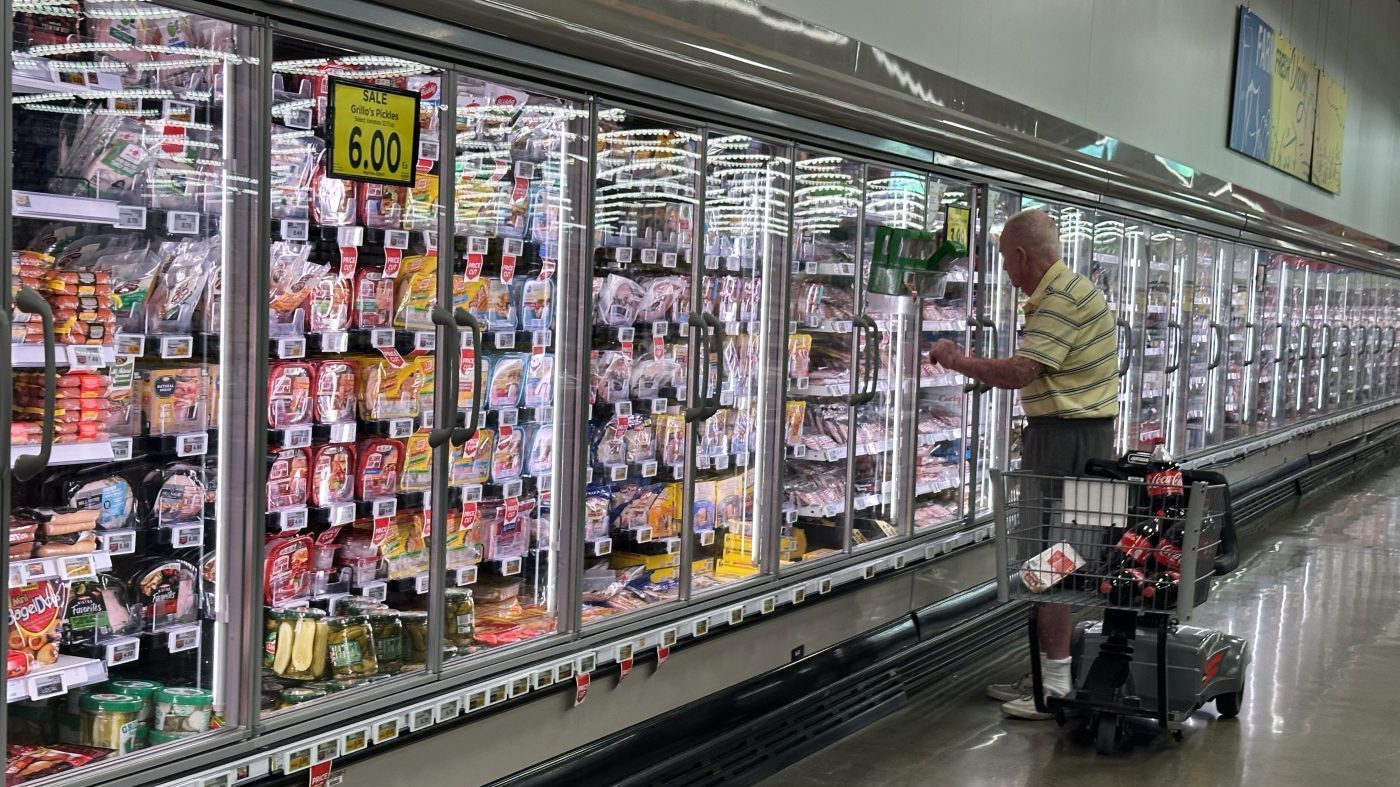
Federal authorities are sounding the alarm over a wave of cyberattacks targeting industrial refrigeration and cold-chain monitoring systems, following a series of incidents that disrupted grocery stores and blood banks across Europe. The warning, issued jointly by the FBI, the Cybersecurity and Infrastructure Security Agency (CISA), the Department of Health and Human Services (HHS), and the Department of Agriculture (USDA), urges U.S. organizations to take immediate steps to harden their defenses.
Brett Leatherman, head of the FBI's Cyber Division, stressed the critical nature of these systems, which safeguard food and medicine across healthcare, agriculture, and other vital sectors. "Attackers are getting in through controllers that are unpatched, reachable from the internet, or still using the default passwords listed in the manufacturer's manual," Leatherman said in the advisory. The joint guidance calls on organizations to eliminate public internet exposure of operational technology, isolate these systems from corporate networks, and enforce strict credential policies.

The urgency is amplified by the scale of the European incidents. Over 350 supermarkets and several French blood banks reported temperature spikes up to 122 degrees Fahrenheit in cold storage units, forcing suppliers to discard large quantities of spoiled goods, with losses potentially reaching tens of millions of euros. The French Blood Establishment confirmed that although its surveillance systems were triggered and taken offline, no blood products were lost, as samples were quickly relocated to other facilities. The attacks unfolded in two waves—one in mid-October and another just days ago—according to reports.
While the perpetrators remain unidentified, a top Romanian cybersecurity official described the threat as "semi-amateurish," telling AFP, "We do not suspect, under any circumstances, that it is a state actor." This assessment contrasts with the broader context of rising cyber threats, which experts have dubbed "Black October" due to a surge in software vulnerabilities and high-profile incidents driven by AI. A senior product manager at Figma noted on X that "in the last 2 days there have been several dozen cyber attacks which, in isolation, would each have been the worst to happen in an entire calendar year."
In the United States, concerns are heightened by a late August incident in which at least six military bases experienced freezer malfunctions, prompting U.S. cyber investigators to collaborate with French law enforcement to probe potential hacks. The federal warning underscores the vulnerability of critical infrastructure, a topic that has gained political traction as lawmakers debate cybersecurity funding and oversight. The recent deteriorating personal finances reported by many Americans could amplify public anxiety over potential disruptions to food and medicine supplies.
Former FBI Special Agent Nicole Parker, speaking to Fox News, framed the attacks as a form of "asymmetrical warfare," where adversaries exploit unconventional tactics to expose the vulnerabilities of a stronger opponent. "This asymmetrical warfare has a very strong psychological impact, but we're Americans. We will not falter ever," she said. Parker advised citizens to keep food, water, medication, and other supplies on hand in case of a wider cyberattack, a recommendation that echoes emergency preparedness guidance from FEMA.
The federal advisory stops short of declaring a specific imminent threat to U.S. systems, but the language is unequivocal: organizations must act now. "These systems protect food and medicine across health care, food and agriculture, and other critical sectors here in the United States as well," Leatherman reiterated. The agencies recommend conducting regular security audits, disabling default credentials, and implementing multi-factor authentication for all remote access.
This development comes amid a broader landscape of cyber challenges, including a recent North Korean hacking operation that netted billions in cryptocurrency, highlighting the sophistication of state-linked actors. While the cold-chain attacks appear less advanced, the potential for cascading consequences—spoiled food, compromised medical supplies, and public panic—makes them a serious concern for policymakers and industry leaders alike.
As the holiday season approaches, the USDA and HHS are urging grocery chains, pharmaceutical distributors, and hospitals to review their cybersecurity protocols. The cost of inaction, they warn, could be measured not only in dollars but in public trust and safety. For now, the focus is on prevention, but the specter of further attacks looms over an already strained critical infrastructure.