Washington, D.C., officials are pressing the incoming Democratic governors in five states that flipped blue to call back their National Guard units from the capital, a move that could strip roughly 628 troops from city streets by January.
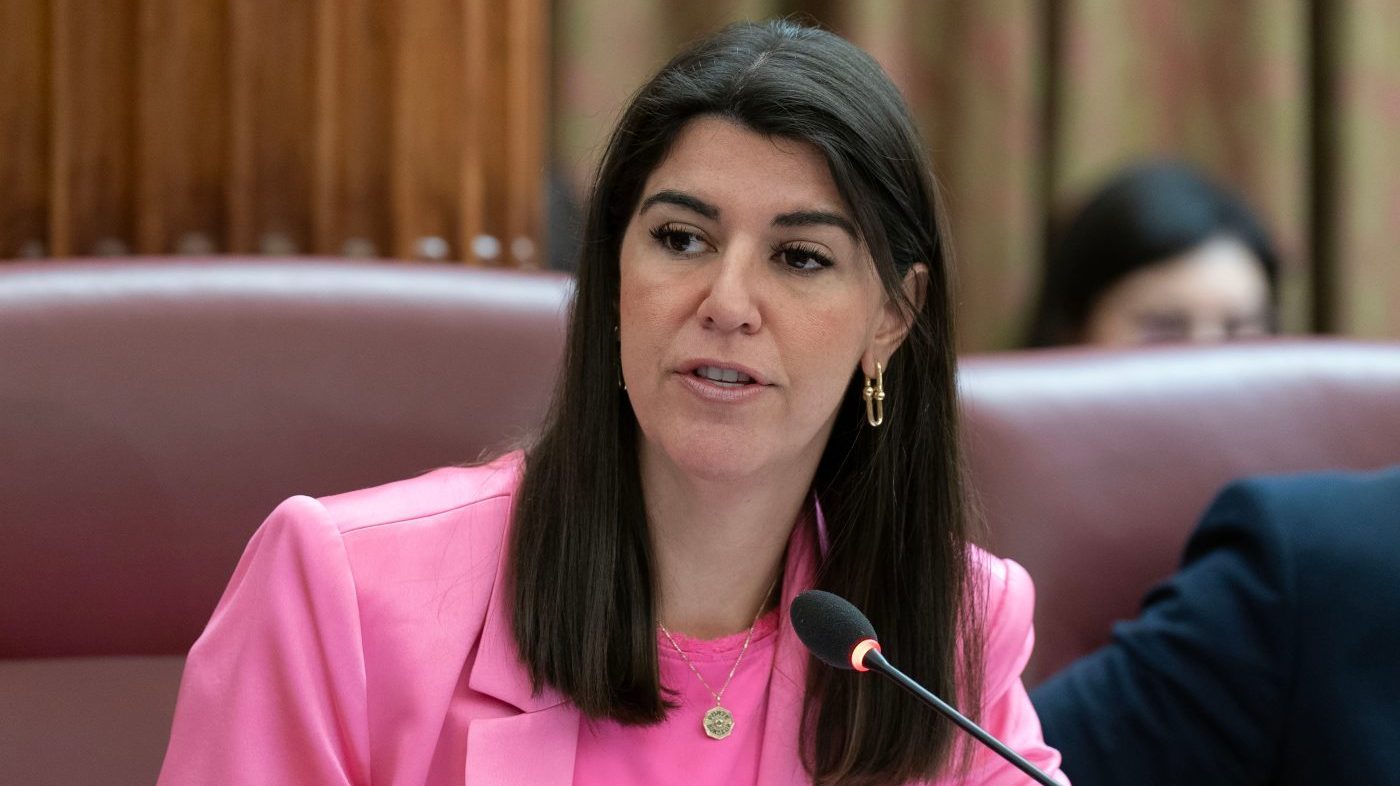
During a D.C. Council hearing on Thursday, Council member Brooke Pinto (D), who chairs the public safety committee, said she would soon send a letter on behalf of the council to the governors-elect in Iowa, Georgia, Nevada, Ohio, and Texas, urging them to “immediately” withdraw their soldiers.
“It’s something they can do their first day in office,” Pinto said.
“While we have asked all of the governors across the country in the past to pull back their troops, we’ve been met with a lot of resistance and a lot of governors who are following the lead from President Trump,” she added. “But we now have the opportunity, with Tuesday’s election results, to turn the tide of what we’re seeing in Washington, D.C., and to have some real accountability to the federal government.”
About 3,100 National Guard members are currently deployed in the District under President Trump’s “Making the District of Columbia Safe and Beautiful” mission, launched last summer. Of those, just under 760 belong to the D.C. National Guard, which is under presidential control, while 2,341 have been sent by states and territories—almost all of them led by Republican governors, according to the mission’s joint task force.
Texas, Ohio, and Nevada each have only one or two troops in the capital, but Georgia and Iowa could make a substantial difference: Georgia has 514 troops and Iowa has 110. If Alaska also flips to a Democratic governor—the race remains uncalled, though former state Rep. Jonathan Kreiss-Tomkins (D) currently leads—another 34 guardsmen could be recalled.
The troops have been a common sight patrolling D.C. streets since August 2025, when the federal government temporarily assumed control of local law enforcement via presidential executive order. The number has fluctuated, swelling to roughly 5,000 around the Fourth of July.
Local officials and residents have grown uneasy with the military presence. Pinto said Thursday that congressional leaders have been “unsympathetic to what we’ve been dealing with and, in some cases, directly hostile.” She added, “But after Tuesday night, the tide is turning.”
Pinto also criticized a recent directive from Defense Secretary Pete Hegseth that authorizes the National Guard to deploy boats, up to 60 marked police cars, and military tactical vehicles in D.C. That move, she argued, goes in the “opposite direction” from what the city needs, blurring the line between military and law enforcement.
She also called on the incoming Democratic congressional majority to conduct tougher oversight of federal policing in the capital, suggesting that federal agents wear identifying badges and body cameras and that face coverings be banned. The push comes as Democrats prepare to use their new oversight powers, a dynamic that some Republican leaders have already warned about, as seen in GOP anticipation of a Democratic probe wave.
The request to Democratic governors is part of a broader effort to curb federal overreach in D.C. and could signal a shift in how the city handles its relationship with the federal government, especially with younger voters showing a turn toward Democrats in the recent midterms.