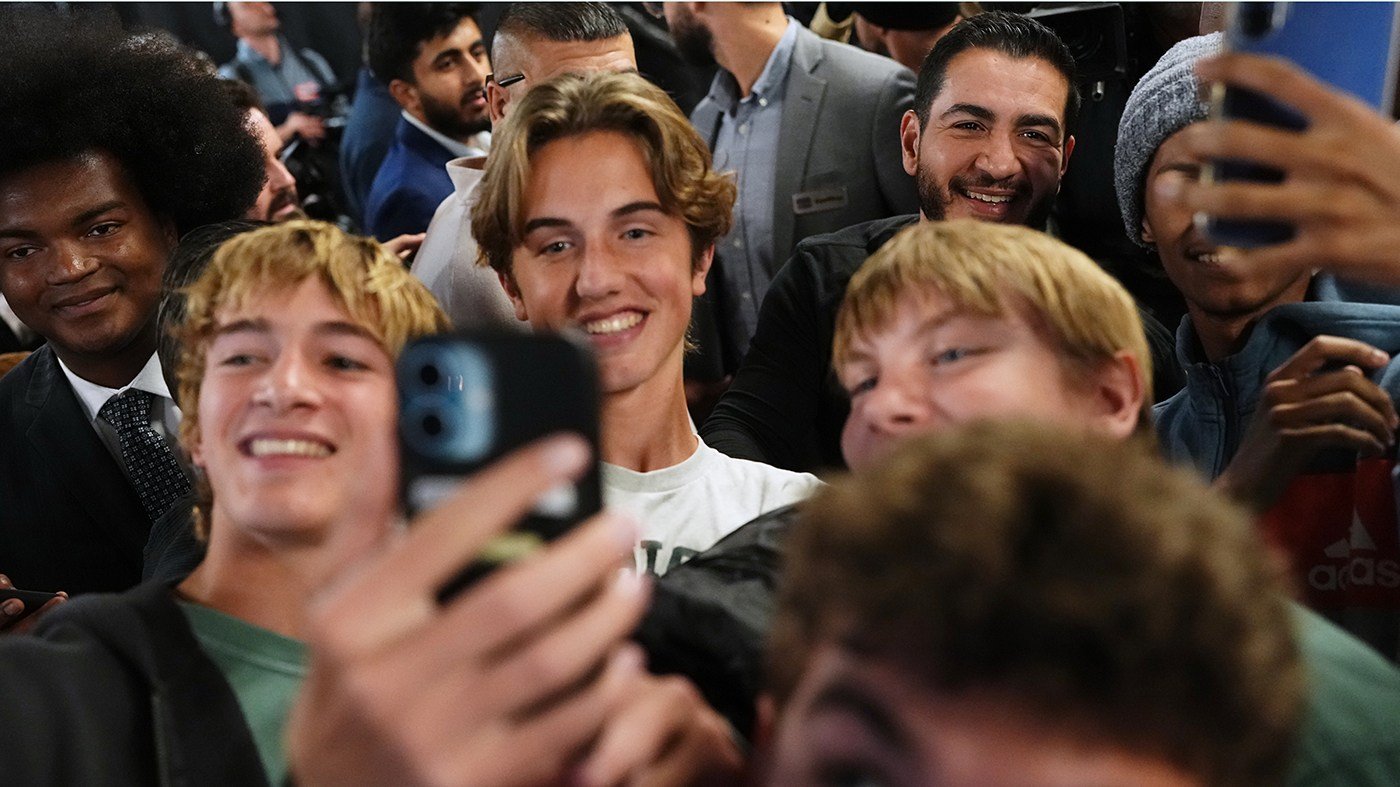
The 2026 midterm elections delivered a sweeping victory for Democrats, and the party's success was powered in large part by a dramatic shift among Generation Z voters. According to data from Tufts University's Center for Information & Research on Civic Learning and Engagement (CIRCLE), voters aged 18-29 cast their ballots for Democratic candidates in overwhelming numbers, with white men in this age group favoring Democrats by a 59-41 margin. This marks a stunning reversal from 2024, when President Trump won 56% of Gen Z men, per AP VoteCast data.
The economy was the driving force behind this swing. Tyler Daniel, an assistant professor of political science at Roanoke University, noted that "the number one force driving young men to vote for Trump and Republicans in 2024 were promises about an improved economy. Most Americans, including Gen Z men, feel that the economy is now worse." This economic pessimism is reflected in Harvard Youth Poll data, which found that only 9% of young adults believe the country is headed in the right direction, and for the first time, more respondents (27%) expect to be financially worse off than their parents, compared to 25% who expect to be better off.

Adam Pennings, executive director of Run Gen Z, a group that recruits young conservative candidates, observed that "Gen Z is the cost of living generation, and they voted like it." He added that "a lot of Republicans didn't realize how pessimistic young people were, specifically." The shift appears to be less about ideological conversion and more about negative partisanship—voting against the party in power. Daniel had expected these voters to sit out the midterms, but instead they turned out in force, calling the reaction "abnormal" for a cohort that often feels disenfranchised.
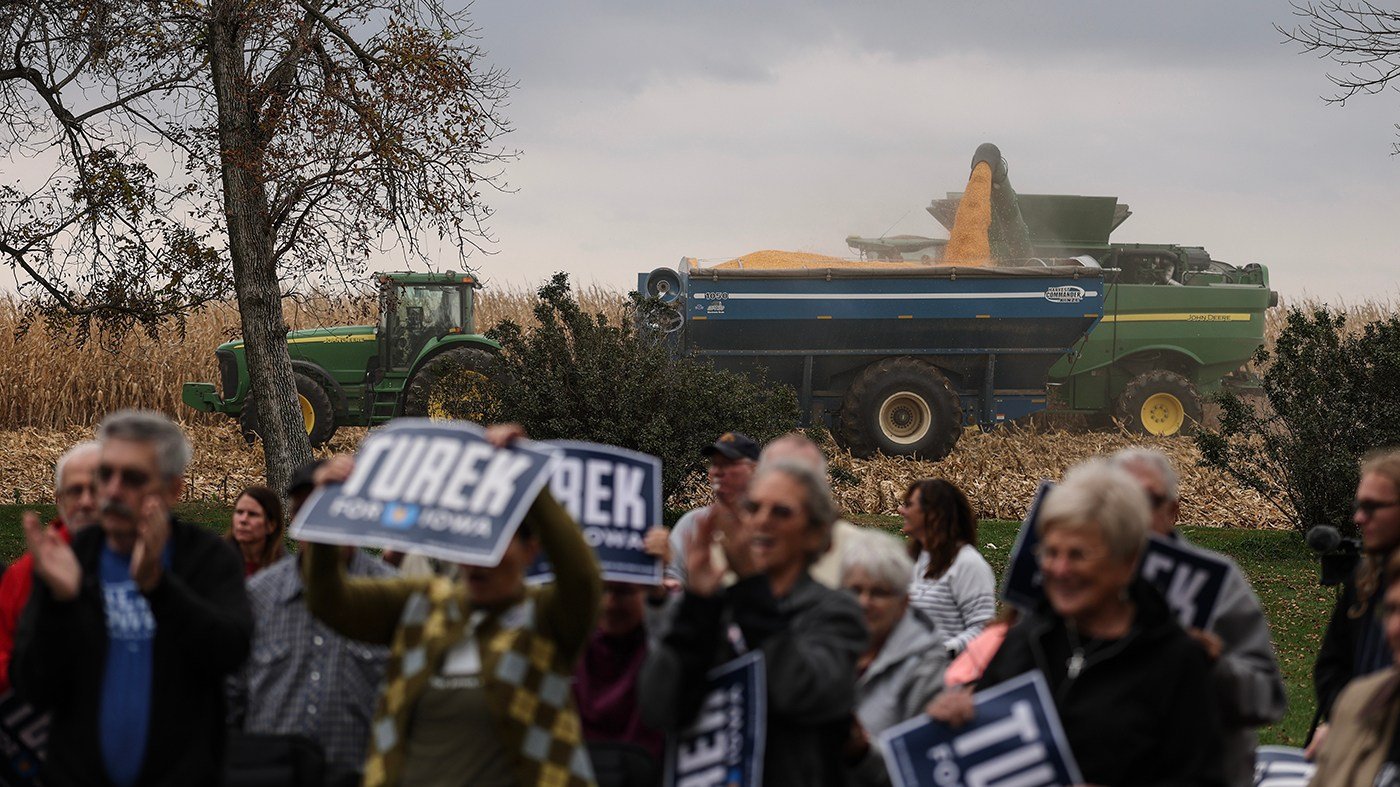
The impact was particularly pronounced in reliably Republican states. In Texas, where Democrats celebrated some of their biggest wins, 70% of voters aged 18-29 backed Democratic candidates, according to New York Times data. Similar numbers were seen in Alabama (63%). Only in South Dakota and West Virginia did a majority of Gen Z support Republicans, and even there the margins were razor-thin—just 2 and 3 points, respectively. This is a complete turnaround from 2024, when Trump led Harris by 30 points in South Dakota and 42 points in West Virginia among young voters.
Melissa Deckman, CEO of the Public Religion Research Institute, explained that "under the first Trump administration, the economy was better. Younger voters, especially younger men, may have been more likely to give Republicans a chance again in 2024." But with inflation and housing costs soaring, cultural issues took a backseat to pocketbook concerns. "There's a sense that the American dream is out of reach," Deckman added.
Democrats now face the challenge of delivering on their campaign promises. Leela Strong, a director at CIRCLE, warned that "this is not a generation of folks who will acquiesce to transactional interactions. There's a desire for candidates to show up with authenticity." Kimberly McGuire, executive director of URGE, a reproductive justice organization that partnered with HIT Strategies on a national survey of young voters, echoed that sentiment: "Gen Z voters should not be taken for granted and should be treated in many ways as a swing constituency."
Looking ahead to 2028, the GOP faces an identity crisis as the MAGA movement splinters. Daniel pointed to podcasters Tucker Carlson and Nick Fuentes, who are vying to inherit Trump's appeal to young men. "We will have to see whether or not MAGA can exist without Trump guiding politics," he said. "The Republican Party is going through a broader identity crisis, one that will only worsen once Trump leaves power in 2029, and it is too early to see where Gen Z men will fall into the mix."
The midterm results have already sparked immediate political fallout. House Democrats are floating impeachment proceedings against Attorney General Blanche, while progressive leaders like Bernie Sanders are pressing for Medicare for All as the party nears Senate control. Meanwhile, Democrats are mapping out a multifront strategy to curb Trump's agenda, and some are attributing their wins to earned victories rather than simply GOP losses.