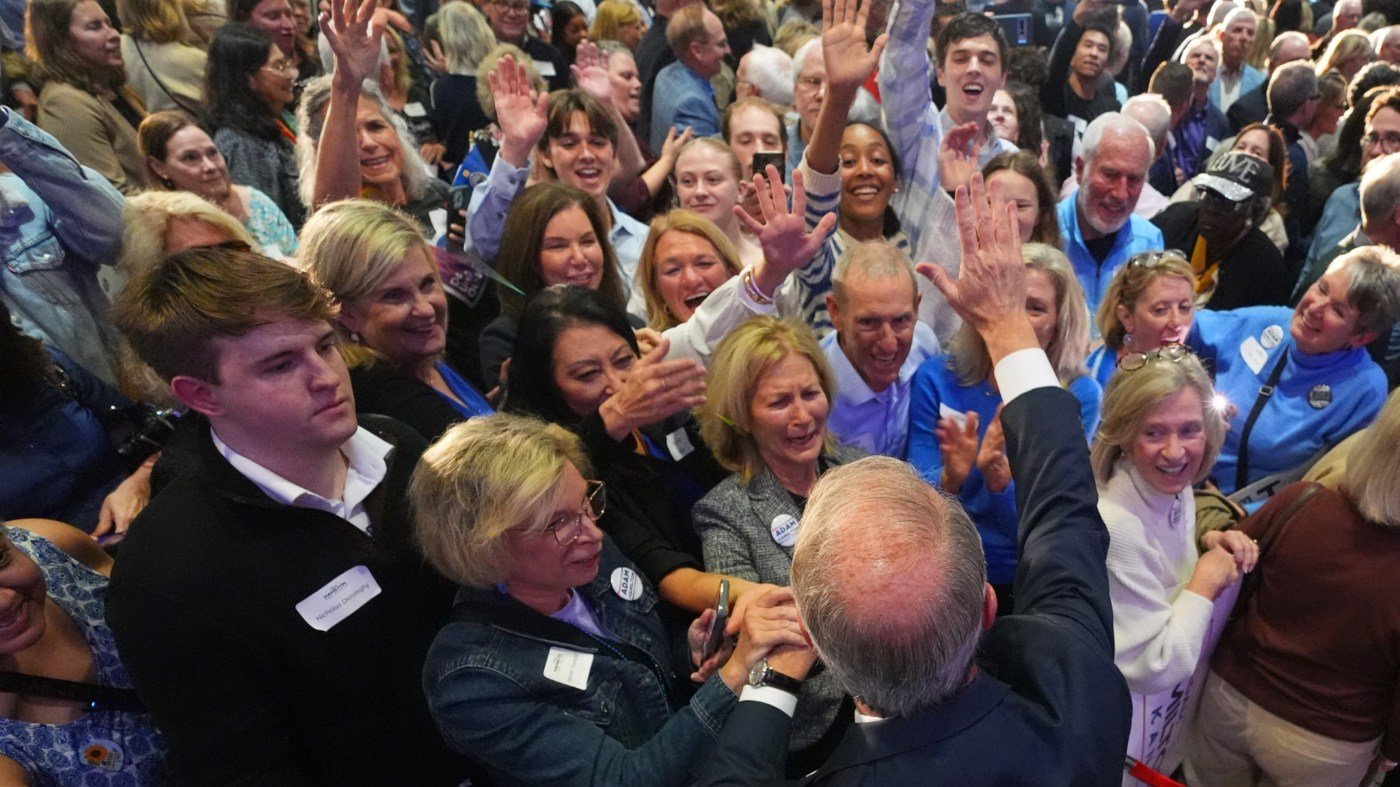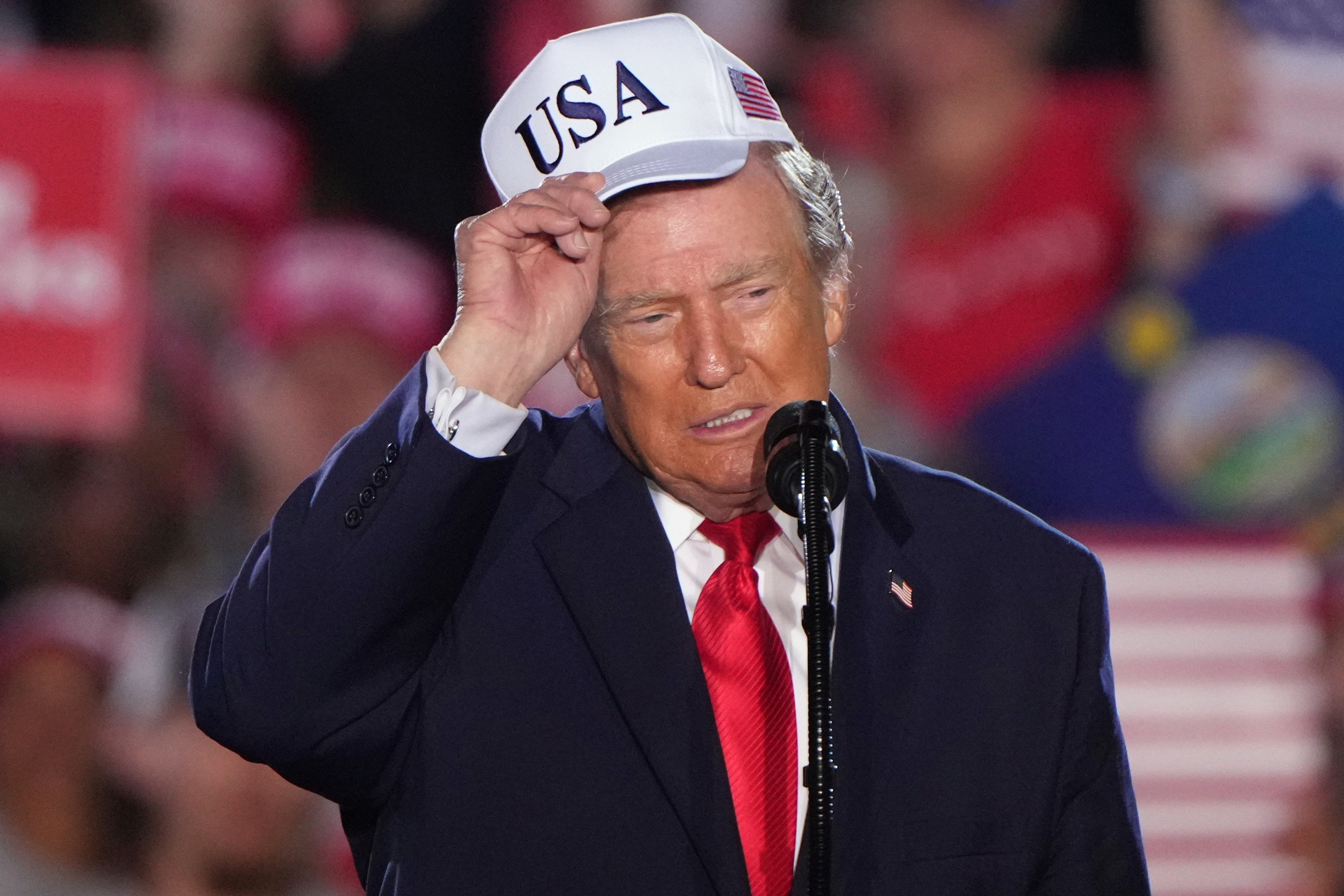
What was supposed to be a competitive cycle turned into a historic rout for Republicans. Democrats flipped both chambers of Congress, erasing the GOP's 2024 gains in a wave that political operatives on both sides are calling a realignment-level defeat. The scale of the losses—dozens of House seats and a half-dozen Senate pickups—suggests it will take more than one election to rebuild the Republican brand.
The verdict from voters was blunt: this was a cost-of-living election. Democrats hammered the affordability crisis relentlessly, while President Trump seemed more focused on celebrating with tech billionaires and touting stock market gains than on easing the squeeze on ordinary families. As one Democratic strategist put it, "Trump told people to vote like he was on the ballot, and they did."
Exit polls confirmed that the top two concerns were the rising cost of housing, healthcare, groceries, and gas, followed closely by corruption in Washington. Voters who backed Trump in 2024 because they remembered the 2019 economy—when they had a little more breathing room—now say they feel poorer than ever. Inflation has outpaced wage growth for most of the year, making Trump's "Golden Age" rhetoric ring hollow for millions.
Former White House chief of staff Mick Mulvaney told NewsNation that the corruption issue is particularly damaging. "What people are telling the president is, 'Look, we're tired of you getting rich and us getting poor,'" he said, citing a poll where 88% of voters called corruption a top issue.
The Iran war was the third major factor, according to exit polls. While the initial strike was popular with many Republicans in March and April, the conflict's endless nature—with no exit strategy and rising gas prices—became another burden. Trump's approval ratings had already been sliding since his April tariffs, and the war accelerated the decline.
Republicans now face an internal reckoning. Leadership fights are already brewing as factions blame Trump's agenda and each other for the debacle. Some argue the party could have survived any one of these crises—high costs, an unpopular war, or corruption—but not all three simultaneously.
Trump's 2024 campaign promises were clear: cut immigration, lower costs, drain the swamp, and avoid new wars. He succeeded on only the first. The other three were spectacular failures, and voters punished him for it. As Democrats prepare to take control, they are vowing to use Congress's power to check the president, though they face their own internal divisions over how far to go.
The 2026 election was a referendum on the Trump presidency, and the verdict was devastating. The question now is whether the GOP can rebuild before 2028, or whether this wipeout marks the end of Trumpism as a winning coalition.