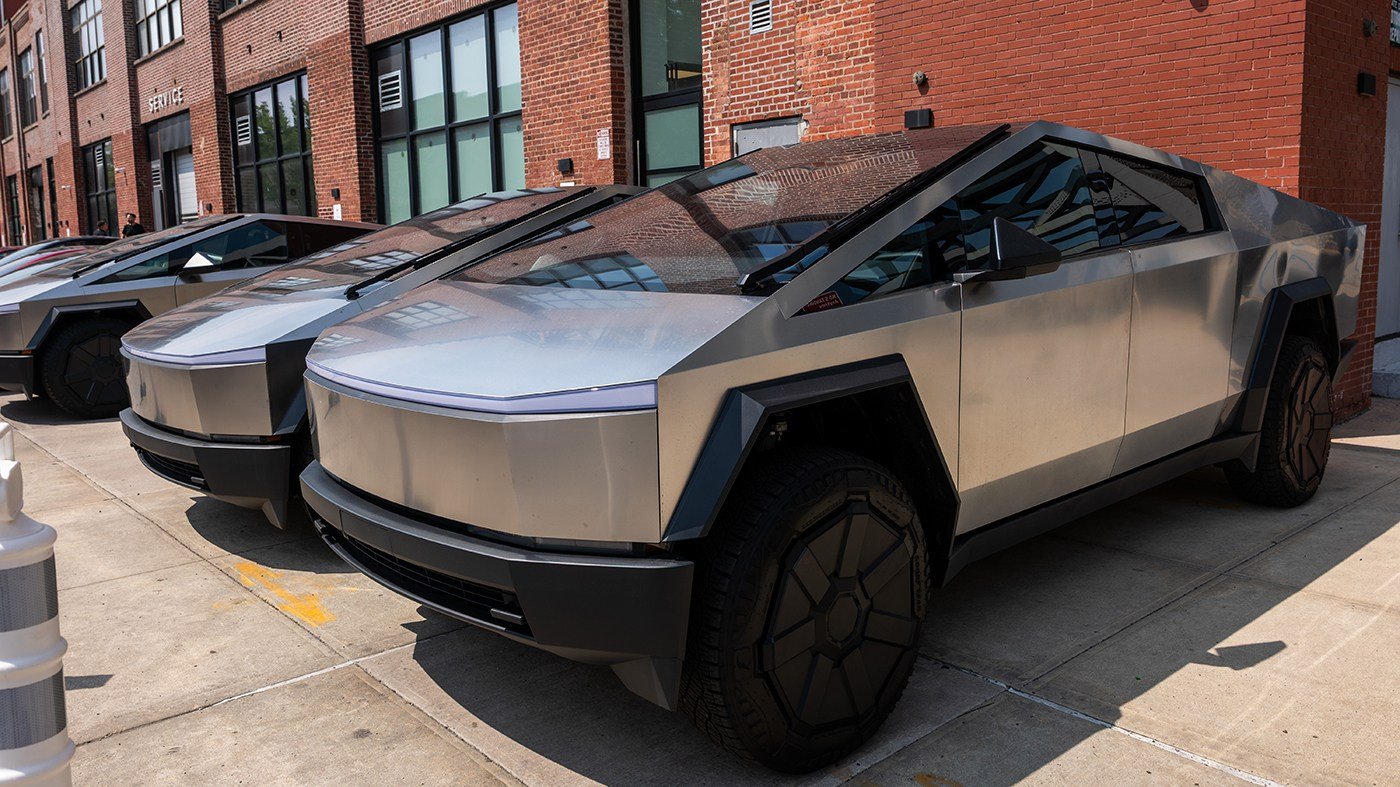
Tesla is pulling the plug on its angular electric pickup, the Cybertruck, with production slated to end at its Texas facility in mid-2027, according to an announcement from CEO Elon Musk on Friday. The decision, delivered via a post on his social platform X, marks a quiet end to a vehicle that once symbolized Tesla's bold entry into the truck market but struggled to sustain consumer interest.
Musk said the move is intended to free up capacity at Gigafactory Texas for the upcoming Cybercab, the company's purpose-built robotaxi. The Texas plant is the sole production site for the Cybertruck, which has faced a rocky road since its launch, including multiple recalls and a sharp drop in sales.

Industry data compiled by Kelley Blue Book shows Cybertruck sales fell 48% from 2024 to 2025, and the slide continued through the first nine months of this year, with deliveries down 28% compared to the same period in 2024, according to the Associated Press. The weak performance comes as Tesla grapples with a broader sales slump and a brand image battered by Musk's high-profile role in the Trump administration.
Musk, a major Republican donor and close ally of President Trump, led the so-called Department of Government Efficiency, an advisory panel that pushed sweeping layoffs and funding cuts across federal agencies. He stepped down from that role in May 2025, and despite a brief public rift with the president, he remains a fixture in Trump's inner circle. His political entanglement has fueled consumer backlash, with some buyers steering clear of Tesla showrooms and, in extreme cases, protests and vandalism.
Beyond political headwinds, the Cybertruck has also been hit by safety issues. In March 2025, U.S. regulators ordered a recall of nearly every Cybertruck on the road due to a problem with an exterior panel that could detach while driving, raising concerns about the vehicle's build quality and reliability.
The winding down of Cybertruck production is part of a broader strategic shift at Tesla, which has increasingly focused on autonomous driving and robotaxi services. The Cybercab, expected to be a dedicated autonomous vehicle, is central to Musk's vision of a future where Tesla operates a fleet of self-driving taxis. The company has also been in talks about a potential merger with SpaceX, though those discussions are still in early stages, as Musk confirmed recent committee formations to explore the idea.
For now, Tesla's decision to retire the Cybertruck underscores the challenges of breaking into the highly competitive U.S. pickup market, where established players like Ford, GM, and Ram have deep roots. The truck's unconventional design and premium pricing may have limited its appeal, even as Tesla touted its durability and performance.
Analysts say the Cybertruck's demise is a cautionary tale about the risks of betting on novelty in a market that prizes practicality. Meanwhile, Tesla's pivot to robotaxis could prove equally ambitious, but the company has yet to demonstrate a clear path to profitability in that arena.
As Tesla shifts its Texas assembly lines, the company is likely to face new questions about its product lineup and whether it can maintain momentum in a rapidly evolving EV market. The Cybertruck's exit, while not entirely unexpected given its sales trajectory, marks the end of a bold experiment that captured headlines but failed to win over enough buyers.