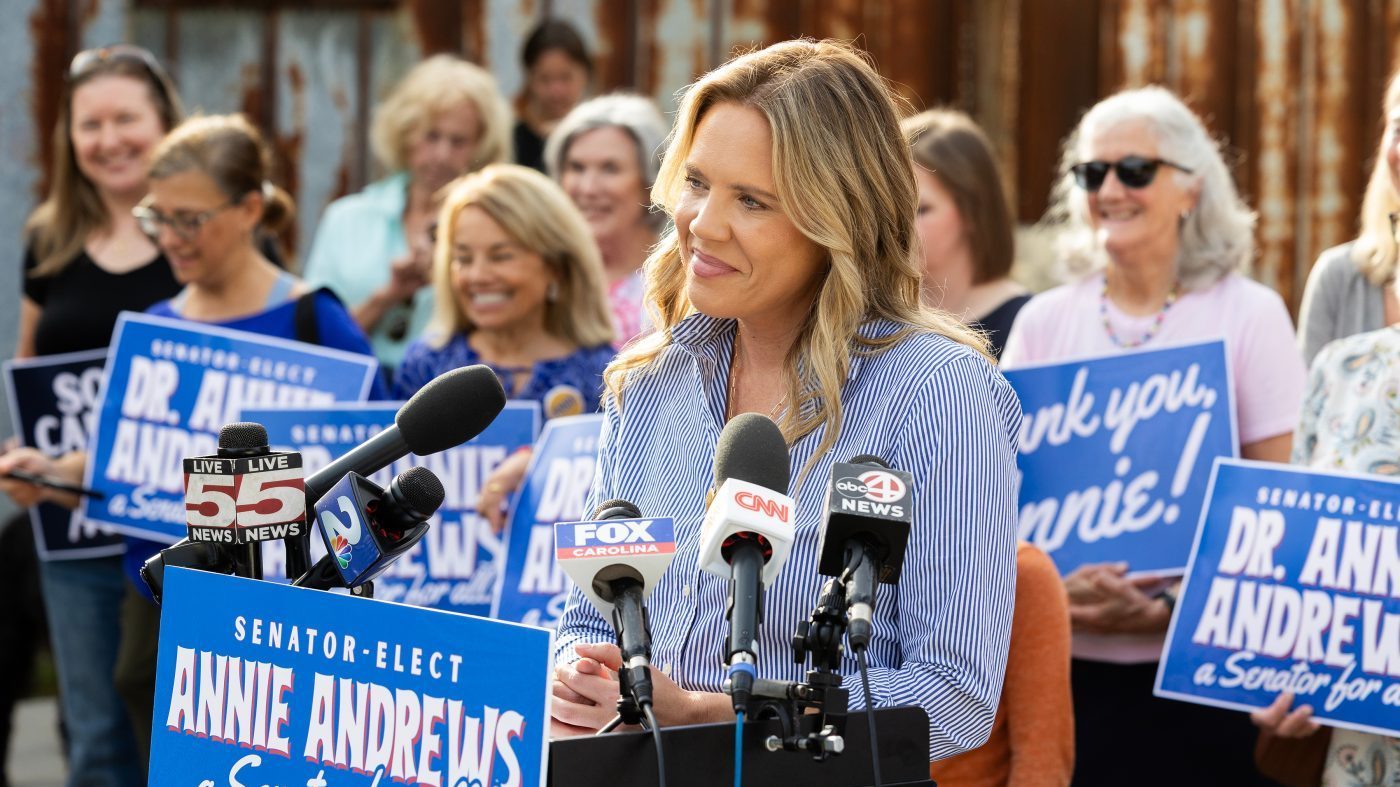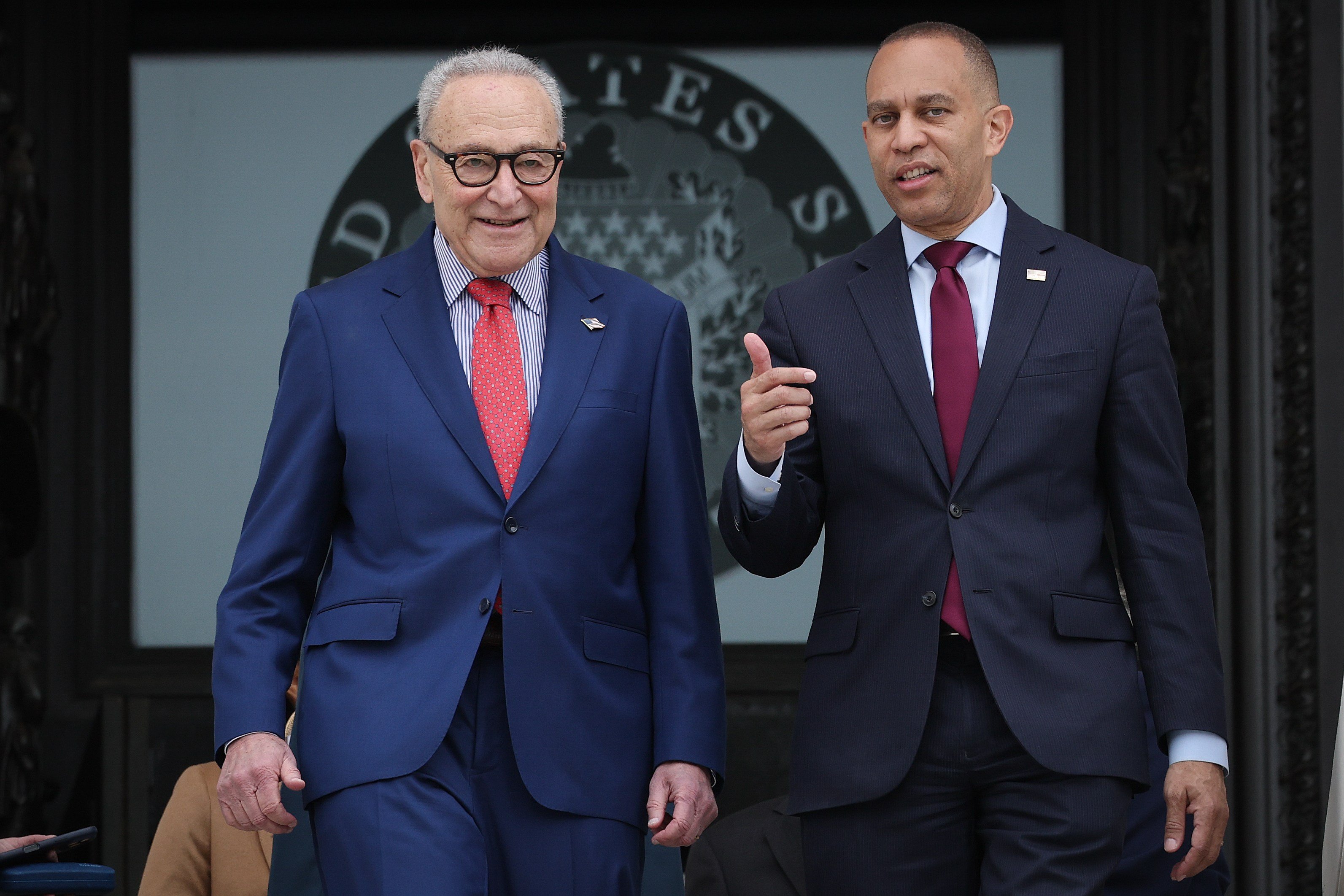
The Democratic Party is still basking in Tuesday's electoral rout, and rightly so. It wasn't just a wave—it was a political extinction event for MAGA Republicans, triggered by the accumulated weight of President Trump's policies, erratic behavior, and corruption. The results were so sweeping that even Mississippi, not exactly a battleground, may send its first Black senator to Washington in 150 years.
Democrats are looking at a House majority reminiscent of the 1960s and a Senate working majority that could reach 56 seats—a cushion that frees leadership from constant caucus management and lets them focus on the executive branch. But with that flexibility comes the burden of using it wisely.
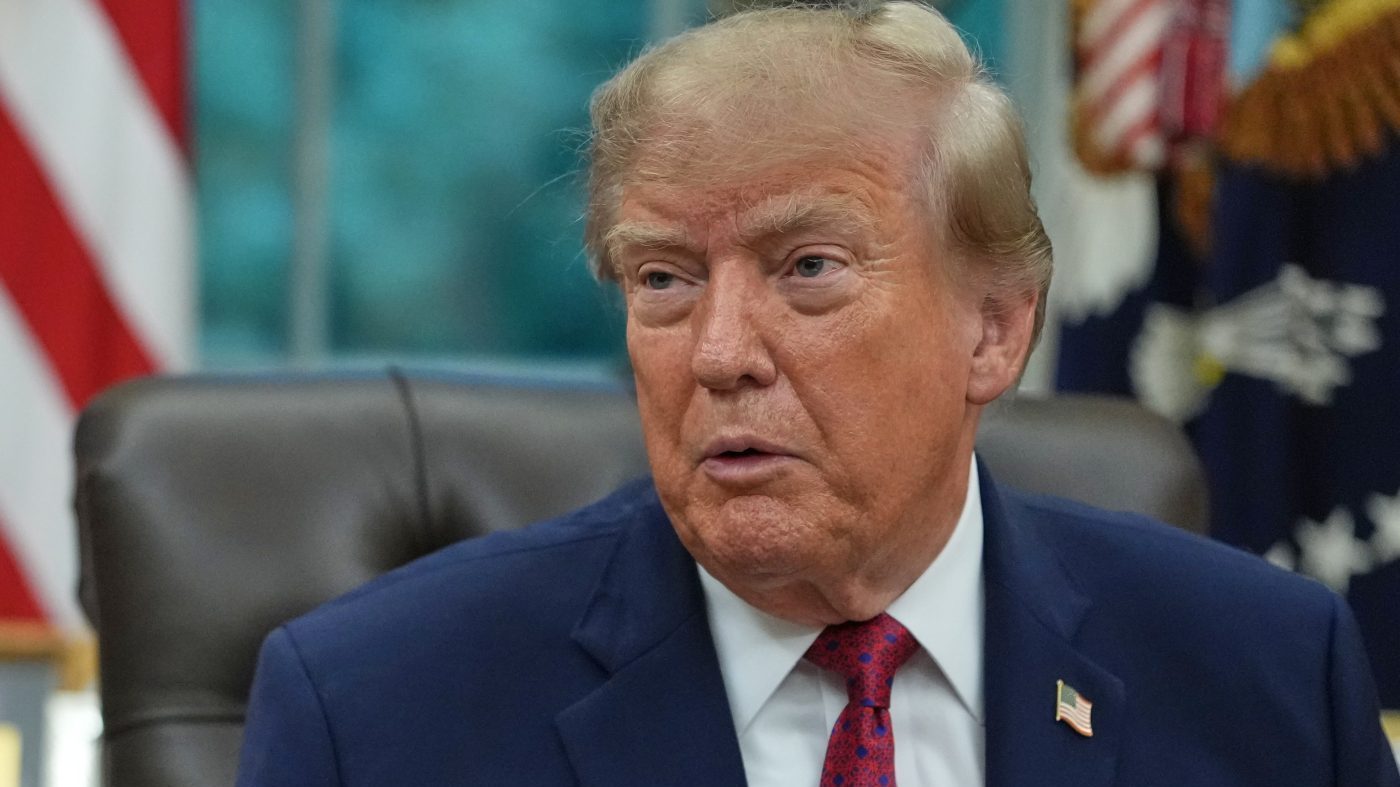
Rule one: remember you actually have power
The founders designed Congress as a check on the executive, and that vision is about to be tested like never before. Democrats must internalize that they are not powerless observers—they control the purse strings and the legislative agenda. The question is how to deploy that authority without squandering it on symbolism.
Rule two: avoid performative politics
Americans are exhausted by the political theater of the last few years. Messaging bills and symbolic gestures will ring hollow. That includes impeachment—unless Democrats can secure a dozen Republican senators, which is fantasy. Impeaching Trump would be the worst kind of showmanship, and it would backfire spectacularly by handing the 2028 nomination to an incumbent JD Vance, effectively reviving the GOP. (Although if Pete Hegseth survives, he might still be a tempting target.)
Rule three: break with tradition
Trump has shown that the executive can “just do stuff” that's never been done before. Congress can play that game too. The power of the purse is well known, but there's another lever: Congress grants agencies their legal authority, and it can condition that authority on specific events. There's no constitutional barrier to passing laws that prohibit an agency from acting unless certain conditions are met.
Given Trump's psychology, this is a perfect tool. Imagine a law that prevents Trump from using his private ballroom until he ends the trade war with Canada. Or one that bars Secret Service protection outside the White House grounds until Ukraine's president certifies receipt of a billion dollars in Patriot missiles and the means to build them. That would ground him—no golf, no Mar-a-Lago—until he plays nice with allies. Petty? Absolutely. That's the point. Attach these conditions to must-pass appropriations bills, and let Trump explain why he shut down the government over a round of golf.
Investigations: focus on corruption
Oversight should be a top priority, but the list of potential targets is endless. The smart play is to concentrate on corruption, graft, and influence peddling. Investigating war crimes claims would hit executive privilege walls and drag on forever. But probing corruption allows Democrats to go after non-governmental actors first—subpoena their records—and Trump can't object. The House and Senate should each create special committees on corruption, coordinating investigations and sharing findings. The revelations could be stunning; the story of Jared Kushner's brother trying to buy the World Cup alone would make a miniseries.
Tuesday's results are more than a victory—they're a chance to show Americans how Democrats would govern in 2029. That means demonstrating maturity, fixing the figurative potholes, and keeping their eyes on the prize.
With millions of former Trump voters backing their candidates, the Democratic Party is a much bigger tent today than it was on Monday. But that doesn't mean it has to be a circus.