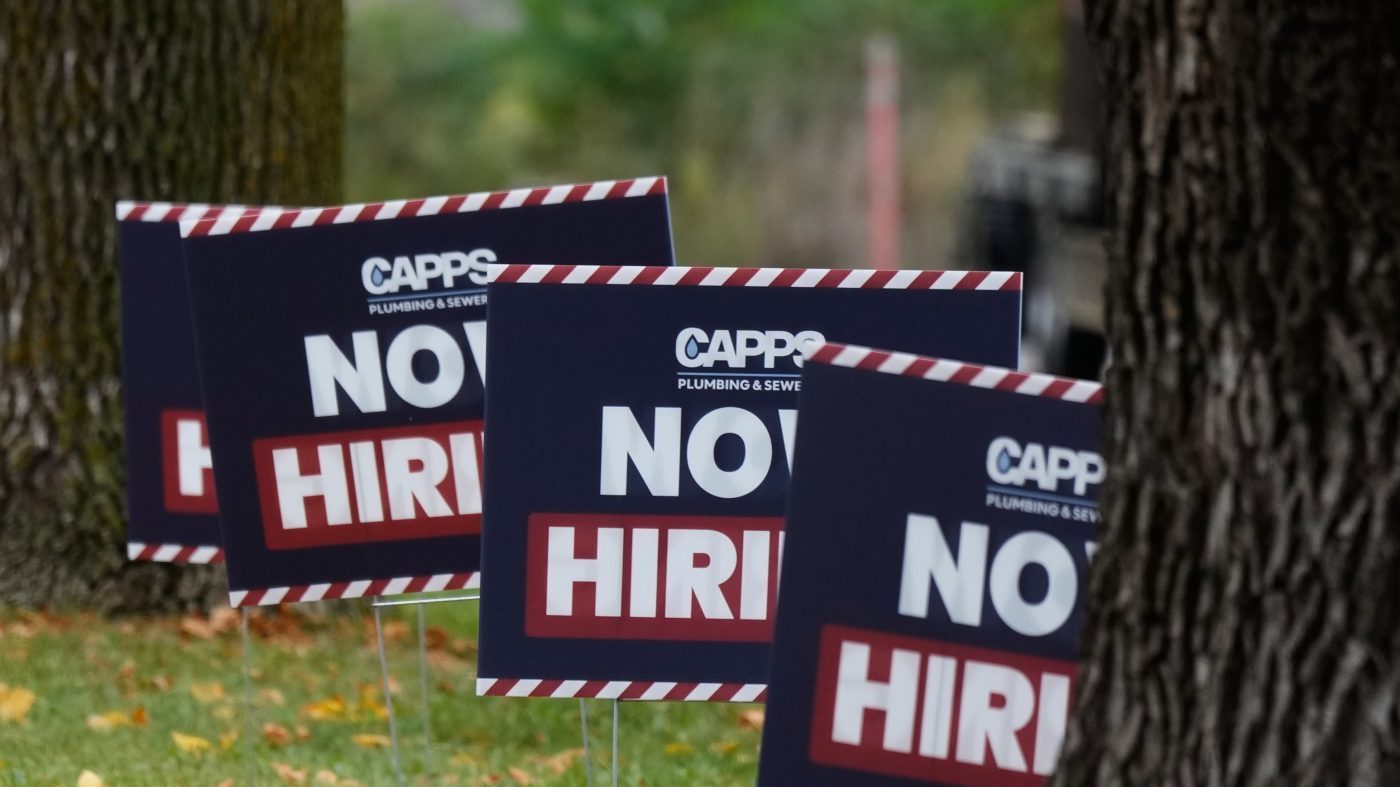
The U.S. labor market continued its steady expansion in October, with employers adding 165,000 positions, according to data released Friday by the Bureau of Labor Statistics. The unemployment rate ticked down to 4.1 percent, extending a streak of sub-5 percent unemployment that has now lasted more than five years—a stark contrast to the near-15 percent jobless rate seen during the early days of the COVID-19 pandemic.
Friday's report also included upward revisions to the previous two months' figures. August job growth was adjusted from 133,000 to 186,000, while September's numbers were revised from 29,000 to 60,000. These revisions suggest the labor market has been more resilient than initially thought, even as the Federal Reserve has kept interest rates elevated to combat inflation.
Economists note that the economy is operating at or near full employment. Erin McLaughlin, a senior economist at the Conference Board, said earlier this week, "Almost anyone that wants a job has a job. Now, that doesn't mean that they are happy. Their wages may not be keeping up with inflation."
Indeed, average hourly earnings rose by 14 cents in October to $38, a 3.1 percent increase from a year ago. However, the consumer price index—the Fed's preferred inflation gauge—showed annual inflation at 3.7 percent in September, marking the seventh consecutive month above 3 percent. Higher fuel prices, partly driven by the ongoing conflict in the Middle East, have squeezed household budgets. The BLS is set to release October CPI data on Tuesday, with the Cleveland Fed projecting a 3.7 percent year-over-year increase.
The combination of persistent inflation and a solid job market has kept the Federal Reserve in a hawkish stance. In September, the Federal Open Market Committee raised its benchmark interest rate for the first time since the summer of 2023, lifting the target range to 3.75–4 percent. At their meeting last week, officials held rates steady, but market traders see a 73 percent chance of another quarter-point hike at the December meeting, according to the CME FedWatch tool.
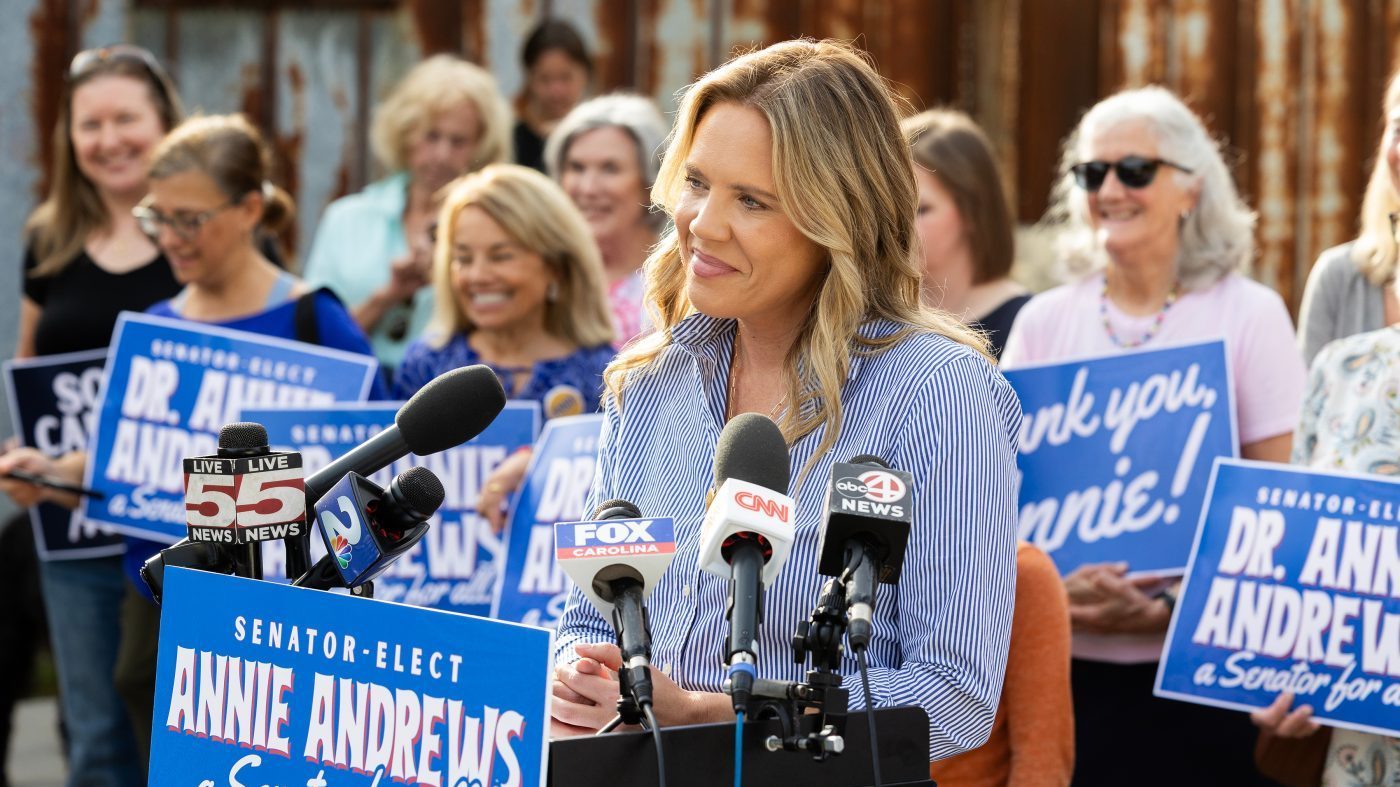
The economic backdrop has also reverberated through the political arena. Stubborn inflation was a key factor in the midterm elections, where Democrats managed to flip both the Senate and the House, as voters punished Republicans and President Trump over the high cost of living. The record gas prices on Election Day underscored the economic discontent that shaped the vote.
Looking ahead, the labor market's resilience may give the Fed cover to continue tightening, but the risk of over-tightening remains. With wage growth still lagging inflation, real earnings for many workers are declining, a trend that could fuel further political unrest. The upcoming CPI report will be critical in determining the Fed's next move and the broader economic narrative heading into the holiday season.
For now, the October jobs report paints a picture of an economy that is still creating jobs, but one where the benefits are not evenly felt. As policymakers grapple with inflation and the midterm aftermath, the labor market's trajectory will remain a central focus.