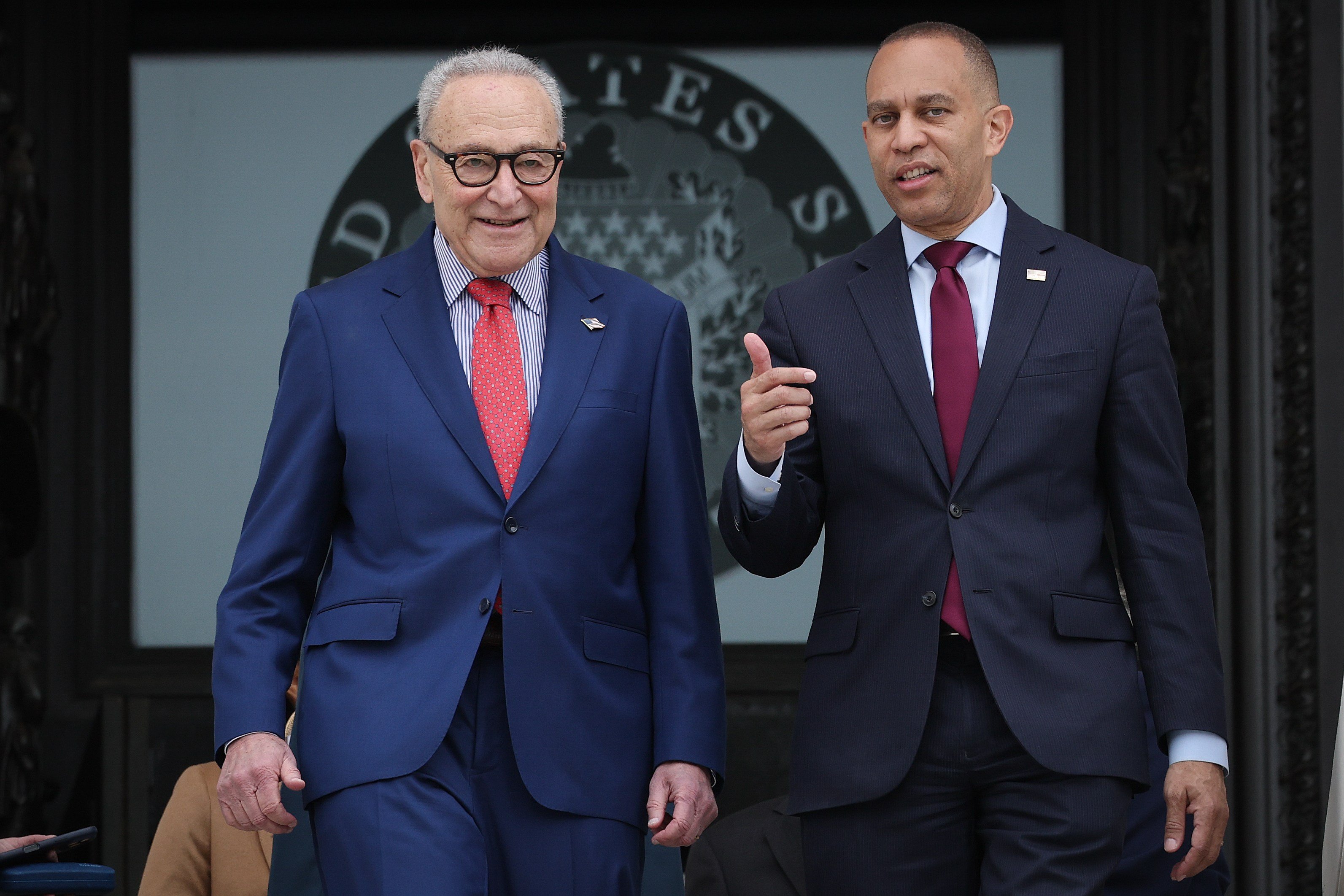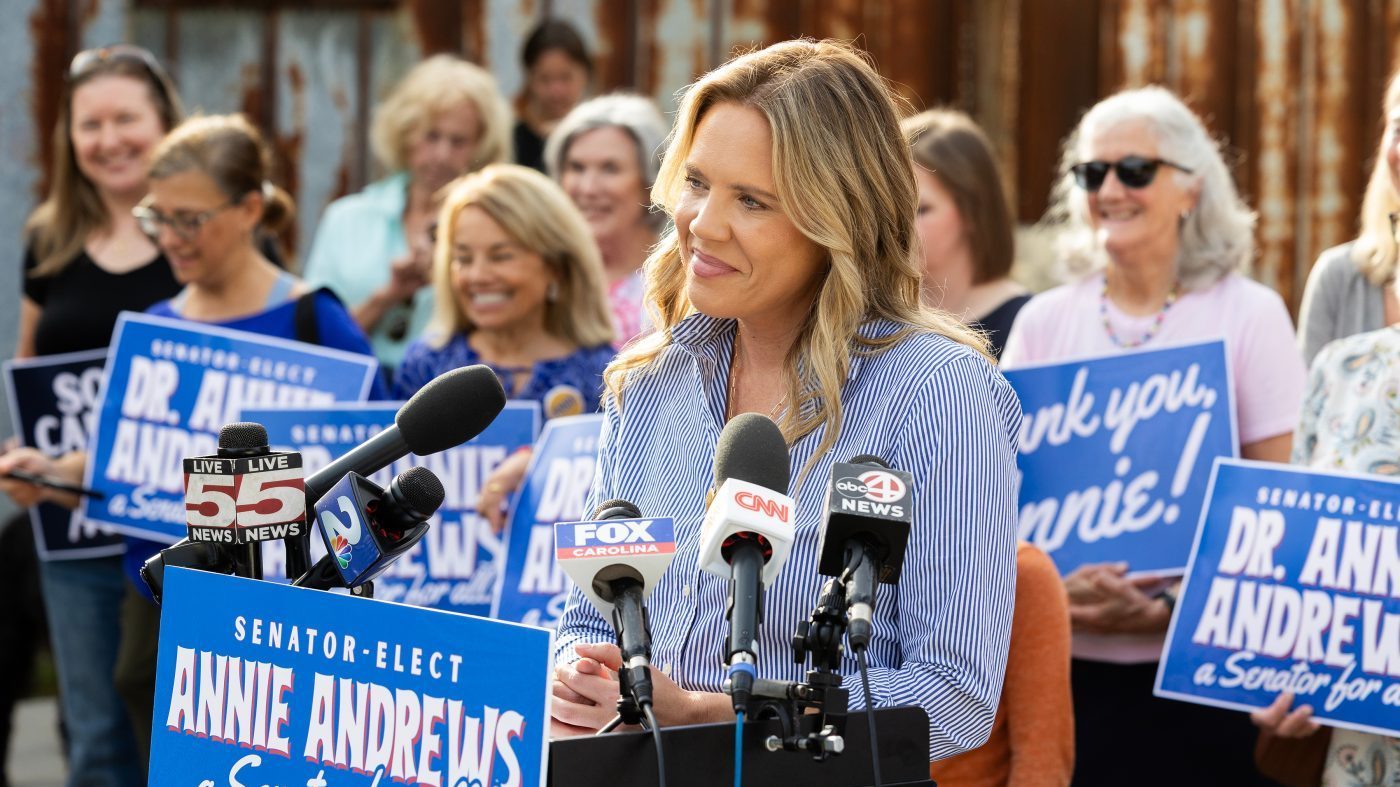
Sen.-elect Annie Andrews (D-S.C.), who pulled off a major upset in the deeply conservative state by ousting incumbent Sen. Darline Graham (R), is pushing for a shake-up in Senate leadership. In an interview with Fox News, Andrews said she still believes "it's time for a generational change on both sides of the aisle"—a pointed remark aimed at Senate Democratic Leader Chuck Schumer, who turns 76 this month.
Andrews is among several incoming Democratic freshmen who pledged during their campaigns not to support Schumer for another term. She told Fox News she intends to be an independent voice in the upper chamber, willing to work with President Trump on border security and to reverse Medicaid cuts included in last year's One Big Beautiful Bill Act.
"I vowed to be an independent voice for South Carolina and I also stayed really laser-focused on the issues that I heard about from South Carolinians," Andrews said, citing affordability, high gas and grocery prices, the looming health care crisis from Medicaid budget cuts, and finding a way to end the war with Iran.
Andrews, a pediatrician and mother of three, also noted that some Republicans, including former GOP elected officials, backed her campaign. She said "record-high diesel prices" are "crushing" farmers and shrimpers in her state, who are "looking for people who will go up to DC, put party politics aside, roll up their sleeves and do the hard work of governing."
"I wouldn't have put the career that I love aside and all this time away from my children if I was just going to go up to Washington and play party politics," she added. "People are tired of that, people need real leadership in Washington, DC."
The call for new leadership is not limited to Andrews. Other victorious Democratic Senate candidates, including Michigan's Abdule El-Sayed, Kansas's Adam Hamilton, Maine's Troy Jackson, and Illinois's Juliana Stratton, have said they would not vote for Schumer. Minnesota's Peggy Flanagan has also demanded a change atop the caucus. The Democrats' electoral strategy appears to have brought in a wave of fresh faces eager to reshape the party's direction.
Despite the opposition, Schumer insists he has the votes to remain leader when Democrats hold their leadership election next month. "The issue is not me. I'll be reelected as majority leader," he told reporters, "but the issue is focusing on the American people and what they want."
Democrats are set to hold between 54 and 56 seats, depending on the outcomes in Alaska and Mississippi. Schumer only needs a majority of his conference to stay on, and no formal challenger has emerged. Sen. Chris Van Hollen (D-Md.), once seen as a potential rival, has signaled he won't run. A source close to Van Hollen said he believes the caucus needs an "honest and open conversation" about moving an agenda that reflects the will of the American people, and that the new Democratic majorities should use their power to push a proactive economic agenda.
As the GOP struggles with its own leadership battles, Andrews's victory and her stance signal a broader appetite for change—one that could reshape how the Senate operates in the coming term.