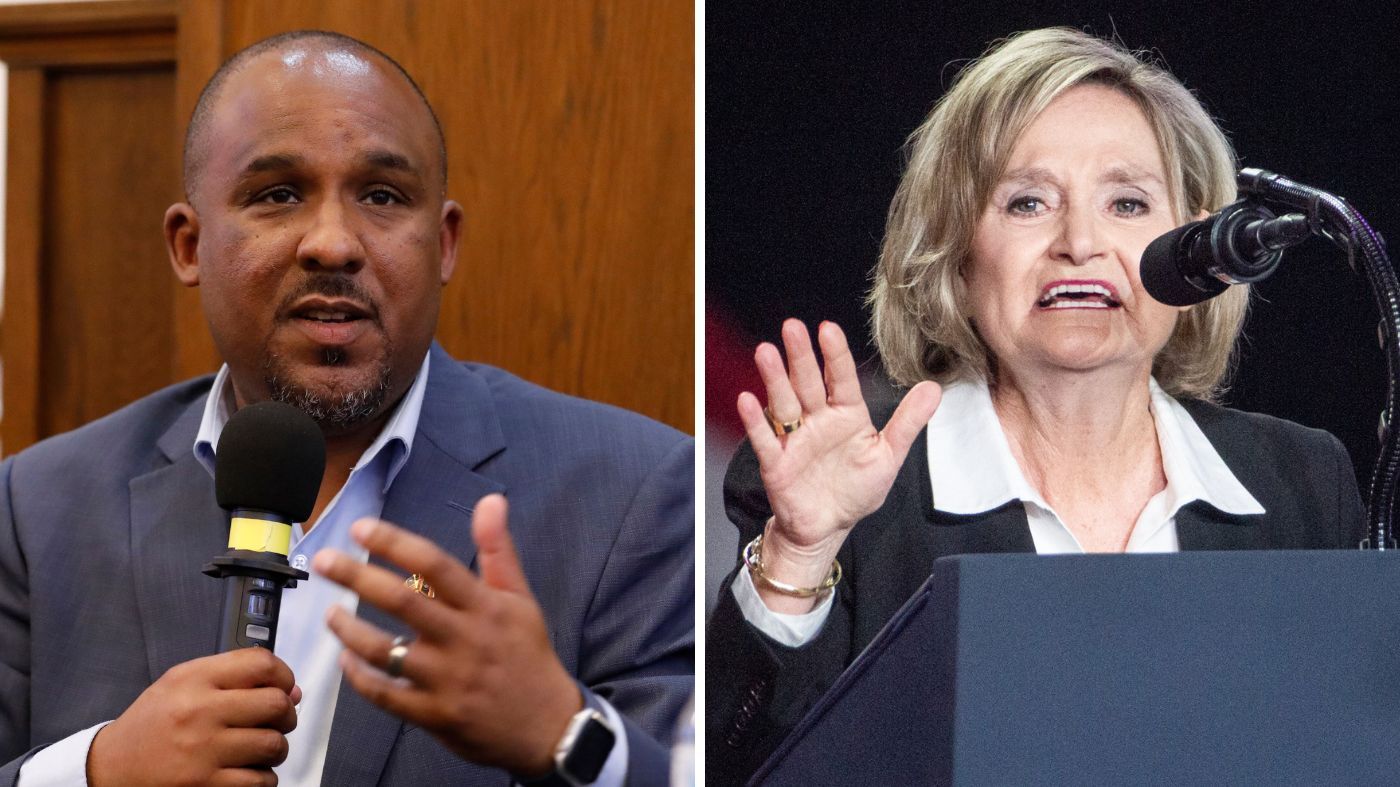
A tight Senate contest in Mississippi has drawn attention to voter sentiment, with a political scientist noting a stark contrast in enthusiasm for the two candidates. Aaron Hitefield, an assistant professor of political science at Mississippi State University, said on NewsNation that Democratic challenger Scott Colom has generated genuine excitement among voters, while incumbent Republican Senator Cindy Hyde-Smith appears to be facing widespread indifference.
“Colom’s a really high-quality candidate,” Hitefield said. “Voters seemed really enthusiastic about him … when you compare that to Cindy Hyde-Smith, the current incumbent, there was a lot of voter apathy.” He added that the early results reflect that dynamic.
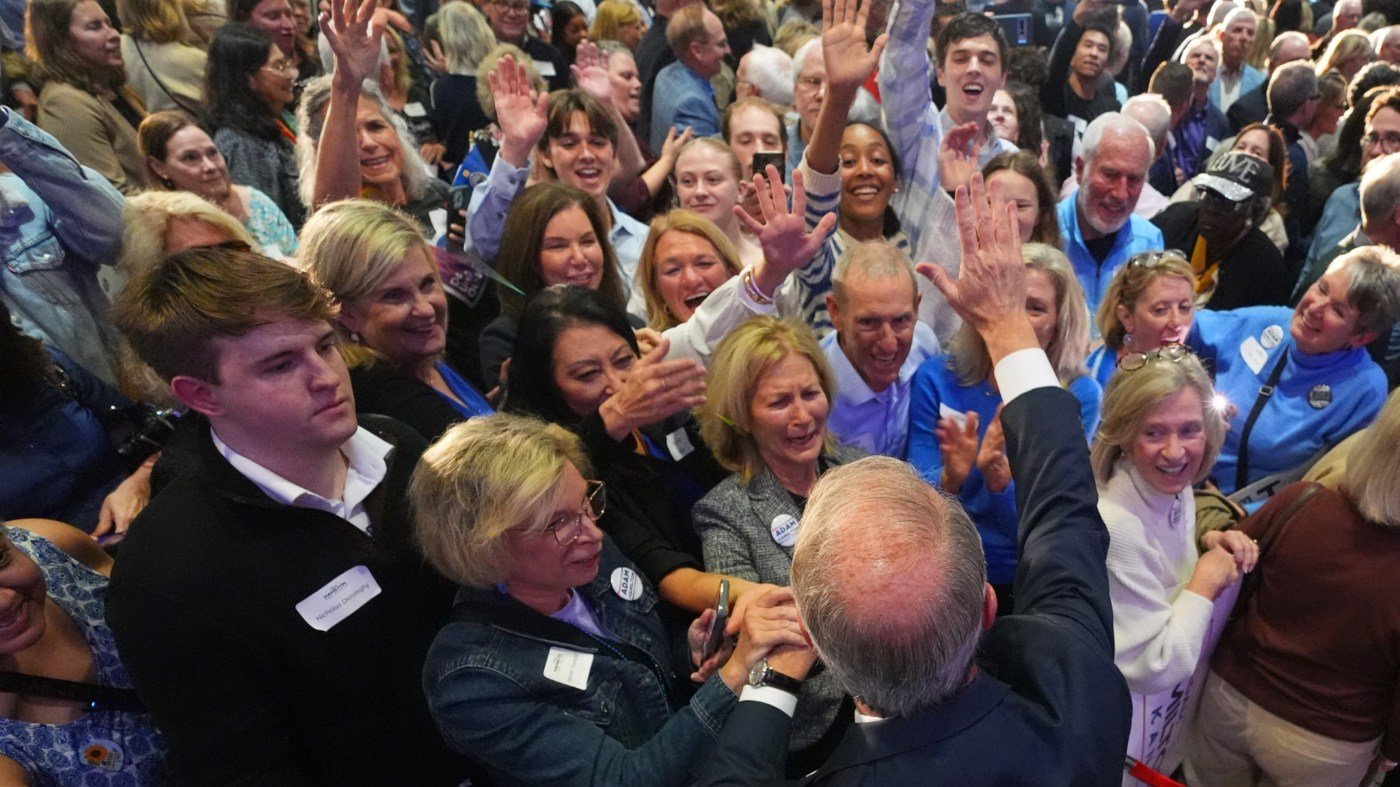
With nearly all votes counted, the race remains uncalled, as Colom holds a lead of just over 2,000 votes, according to Decision Desk HQ. That translates to a razor-thin margin of about 0.2 percentage points in a state that has not elected a Democrat to the U.S. Senate in decades.
Mississippi Republicans have signaled they will accept the outcome if the process is followed. State GOP chair Mike Hurst told reporters Thursday, “If the laws are followed and the voters spoke, that is it and Mississippi Republicans will accept that.” He emphasized, “There is no election denying going on here.”
Part of the delay in calling the race stems from Mississippi’s mail-in ballot rules, which allow ballots to be received and counted up to five business days after Election Day as long as they are postmarked by November 5. That means final tallies may not be known for several more days.
In the meantime, Hyde-Smith’s legal team has sent letters to election commissioners in all 82 counties, requesting that affidavit ballots be separated, documented, and preserved. The move echoes similar efforts by the GOP Senate arm to safeguard ballots as the race tightens.
Colom’s attorney fired back in a letter to county officials, arguing that the Republican requests “have no basis in Mississippi law.” The lawyer warned that departing from standard procedures could violate voters’ rights and state election law.
The outcome in Mississippi could have national implications. Democrats are currently projected to hold 54 Senate seats, and with Mississippi and Alaska still undecided, that number could grow to 56. A Colom win would be a significant upset in a deep-red state and would further expand the Democratic majority.
Political observers note that Hyde-Smith’s apparent lack of voter enthusiasm, combined with Colom’s strong grassroots appeal, has made this race unexpectedly competitive. As Colom widens his lead, attention turns to whether the remaining mail ballots will shift the balance.
For now, both campaigns are bracing for a prolonged count, and Mississippi Republicans are preparing to accept the will of the voters—provided the legal challenges do not escalate.