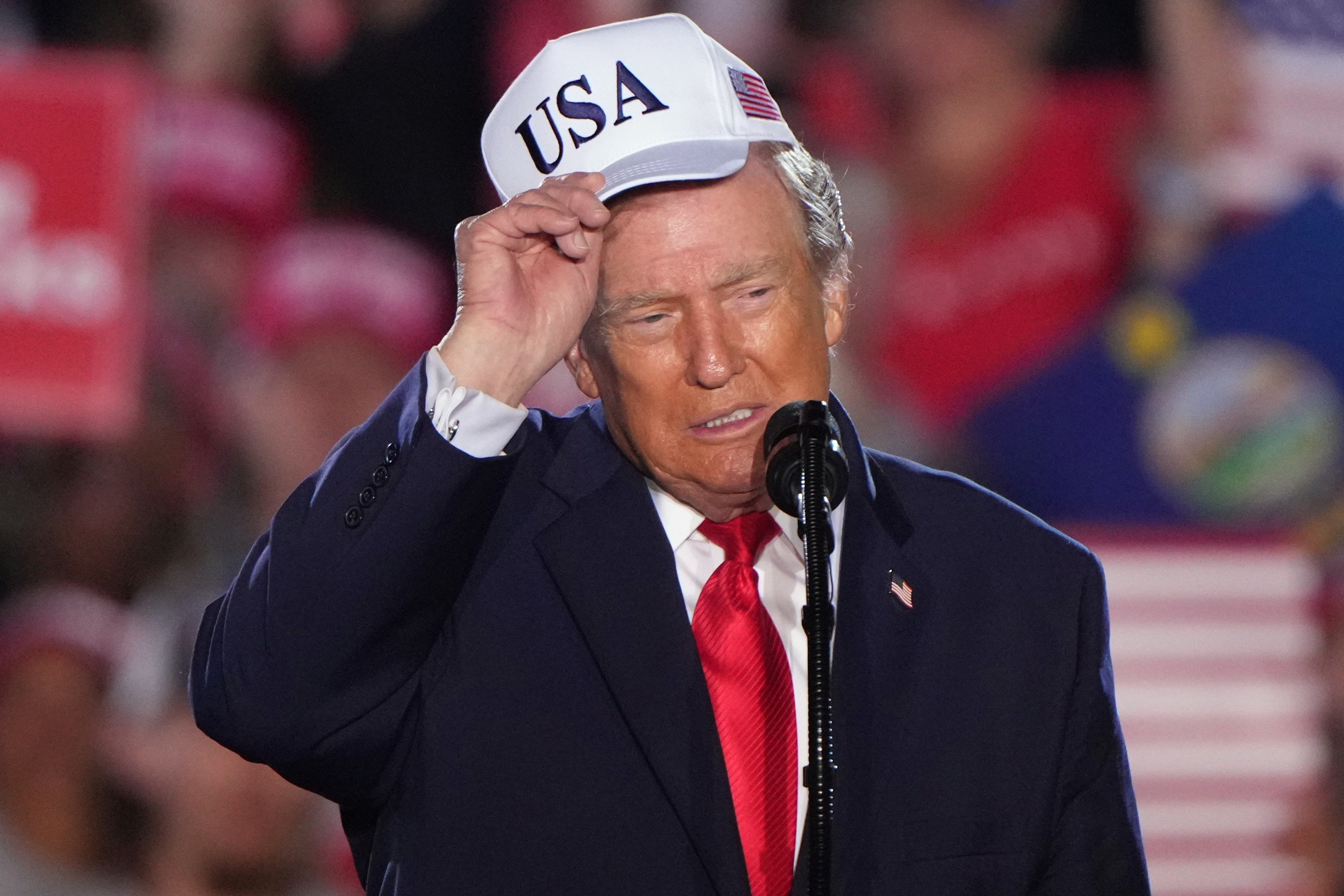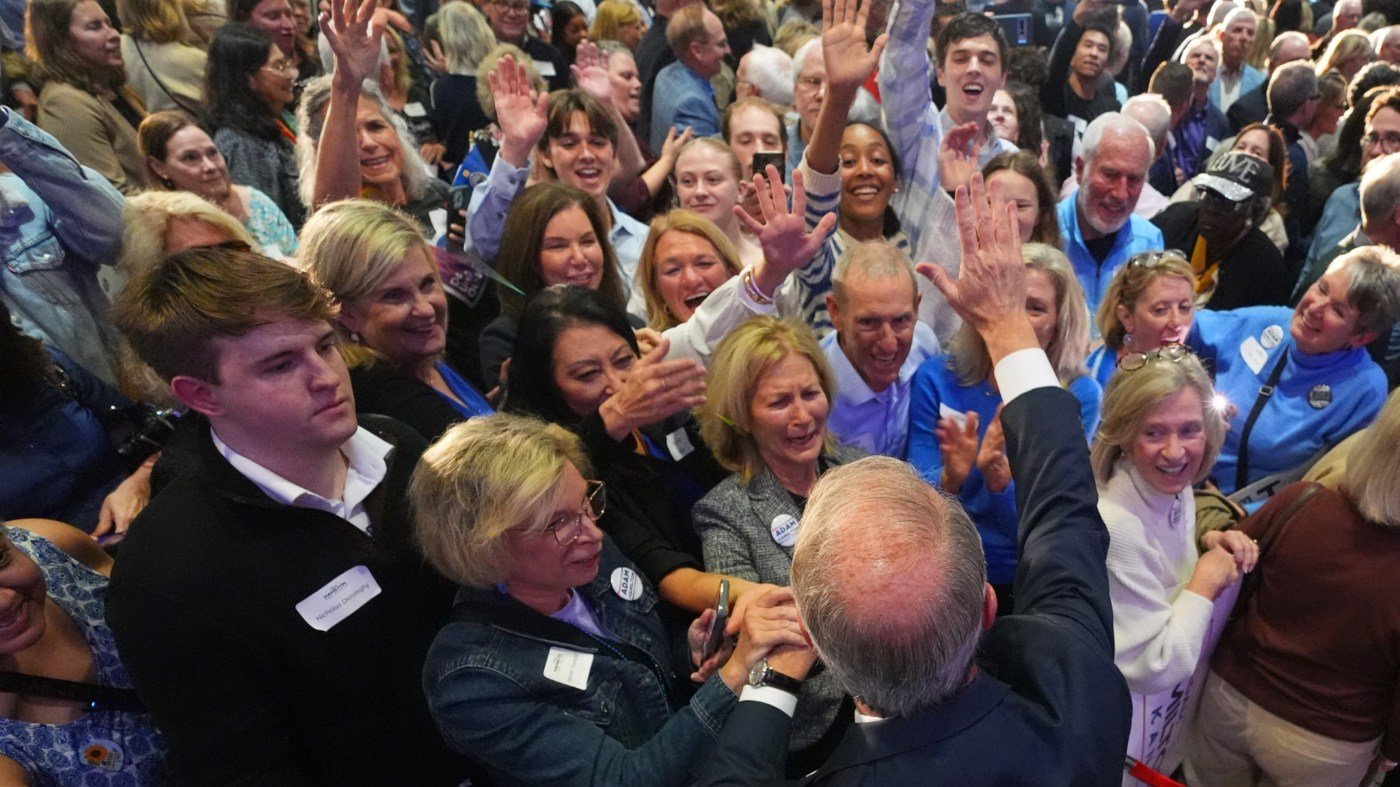
In a stunning rebuke to President Trump and the Republican Party, Democrats swept the midterm elections, flipping control of the Senate and solidifying a commanding House majority. The results were a decisive repudiation of Trump's political influence and the administration's agenda, with voters rejecting the president's attempt to make the election a referendum on himself.
Trump had urged voters to treat the midterms as if he were on the ballot, and they responded by voting as if he were—against him. The outcome was a clear "no" to Trumpism, echoing the famous Cole Porter lyric: if it looks like a rebuke, walks like a rebuke, and talks like a rebuke, it's a rebuke. Even Trump's offer of $5,000 to every American if Republicans retained control fell flat, as did the hundreds of millions of dollars spent by his ally Elon Musk to sway voters.
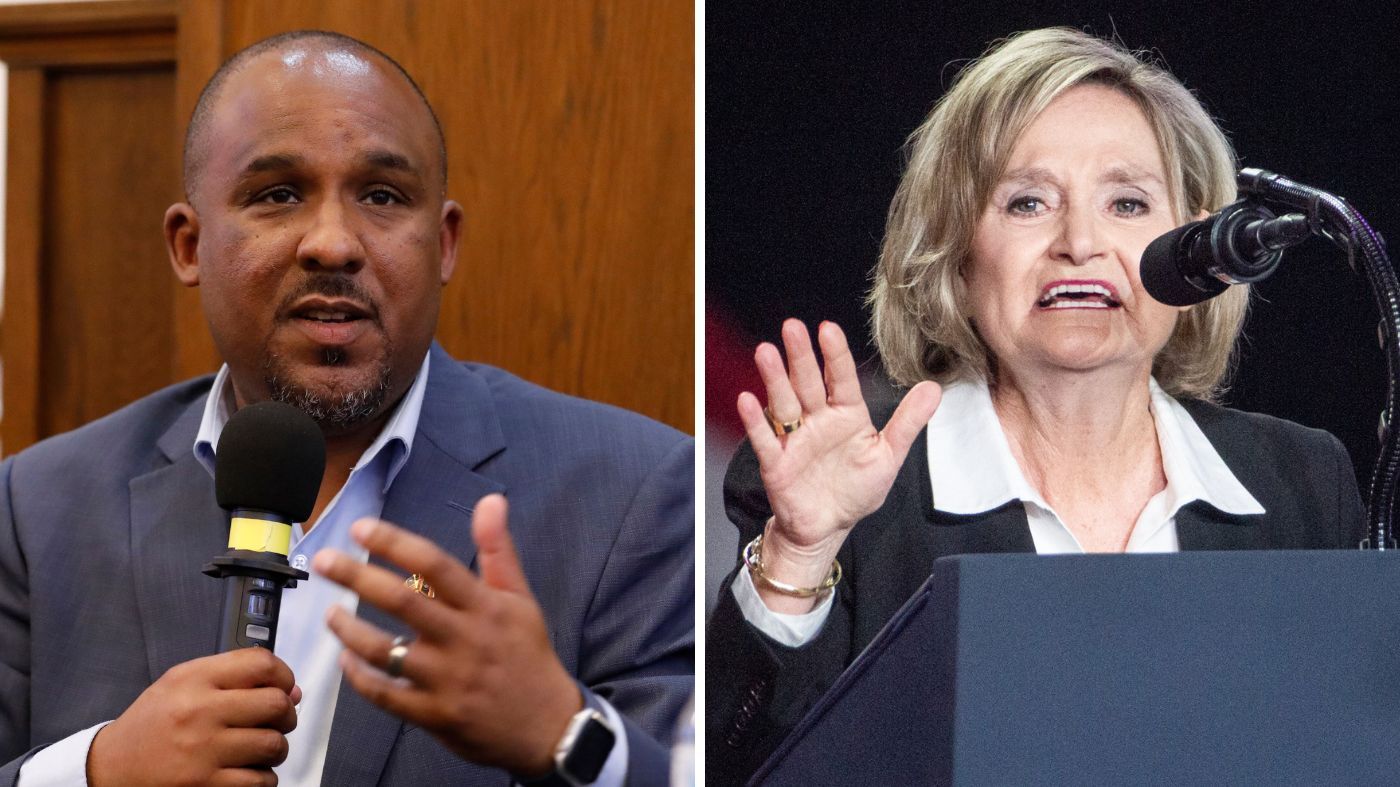
The election was a triumph for democratic norms, with no reports of violence, voter intimidation, or widespread fraud. The Proud Boys stayed home, and the margins were decisive, leaving no room for legal challenges. Democrats flipped seven Senate seats, including Republican strongholds like Kansas, Iowa, Ohio, Maine, North Carolina, South Carolina, and Texas—states Trump won by double digits in 2024. They also secured at least 259 House seats, far exceeding the 218 needed for a majority, according to NBC News analysis.
Democrats made inroads in critical regions, including Florida and possibly Mississippi, signaling a potential realignment. Trump conceded the loss was a landslide, blaming the Iran war for the defeat, while House Speaker Mike Johnson announced he would not seek the minority leader post. The message to Washington was unmistakable: get things done, hold the administration accountable for its corruption and foreign policy failures, and end the war in Iran on favorable terms.
The victories were not accidental. Democrats selected savvy candidates who could appeal to diverse constituencies, responded aggressively to Republican gerrymandering, and fought court battles to protect voting rights. Federal judges, despite physical threats, blocked unconstitutional efforts to seize state voting records, curtail mail-in voting, and manipulate counts in Alaska. Pro-democracy groups worked tirelessly to ensure the administration's attempts to discredit the election never gained traction.
The new Democratic class includes a pro-Palestinian Muslim, women, first-time officeholders, and the first openly gay man elected to the U.S. Senate—reflecting the diversity and concerns of younger generations. This fresh cohort, attuned to issues like healthcare, trade, immigration, and AI regulation, stands in stark contrast to the GOP's "nihilism."
While Democrats celebrate, they must avoid overreach. Instead of pursuing impeachments, open borders, or wealth taxes, they should focus on policy wins that can attract bipartisan support, such as trimming the $40 trillion national debt. As Churchill said, "In Victory, Magnanimity." Democrats should seek common ground with Republicans, wary of the Supreme Court, where rumors of Alito's retirement could give Trump a chance to appoint a young conservative.
Republicans, meanwhile, face an identity crisis. With Trump as a lame duck, can they repudiate the failed policies of ideologues like Hegseth, Miller, and Vought, and return to the center-right party of Reagan? The road ahead is uncertain, but as Richard Haass noted, "The country has dodged a bullet, but it is not out of the woods."
The midterms were a historic rebuke, but the work of governing is just beginning. Democrats must now prove they can deliver on their promises, while Republicans must decide whether to embrace the chaos or chart a new course. The 2026 midterms are already on the horizon, and the GOP's coalition has 'totally collapsed,' as one pundit put it. The stakes could not be higher.