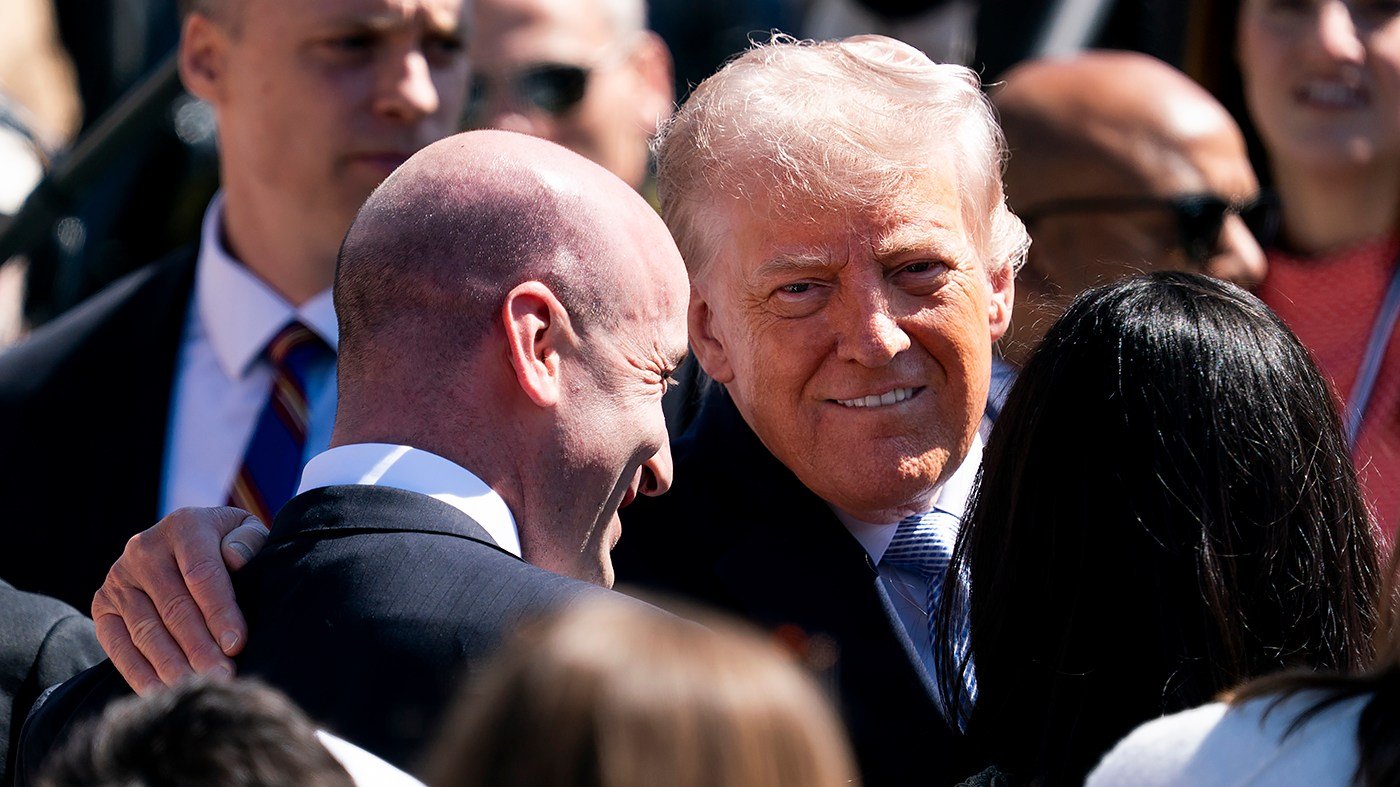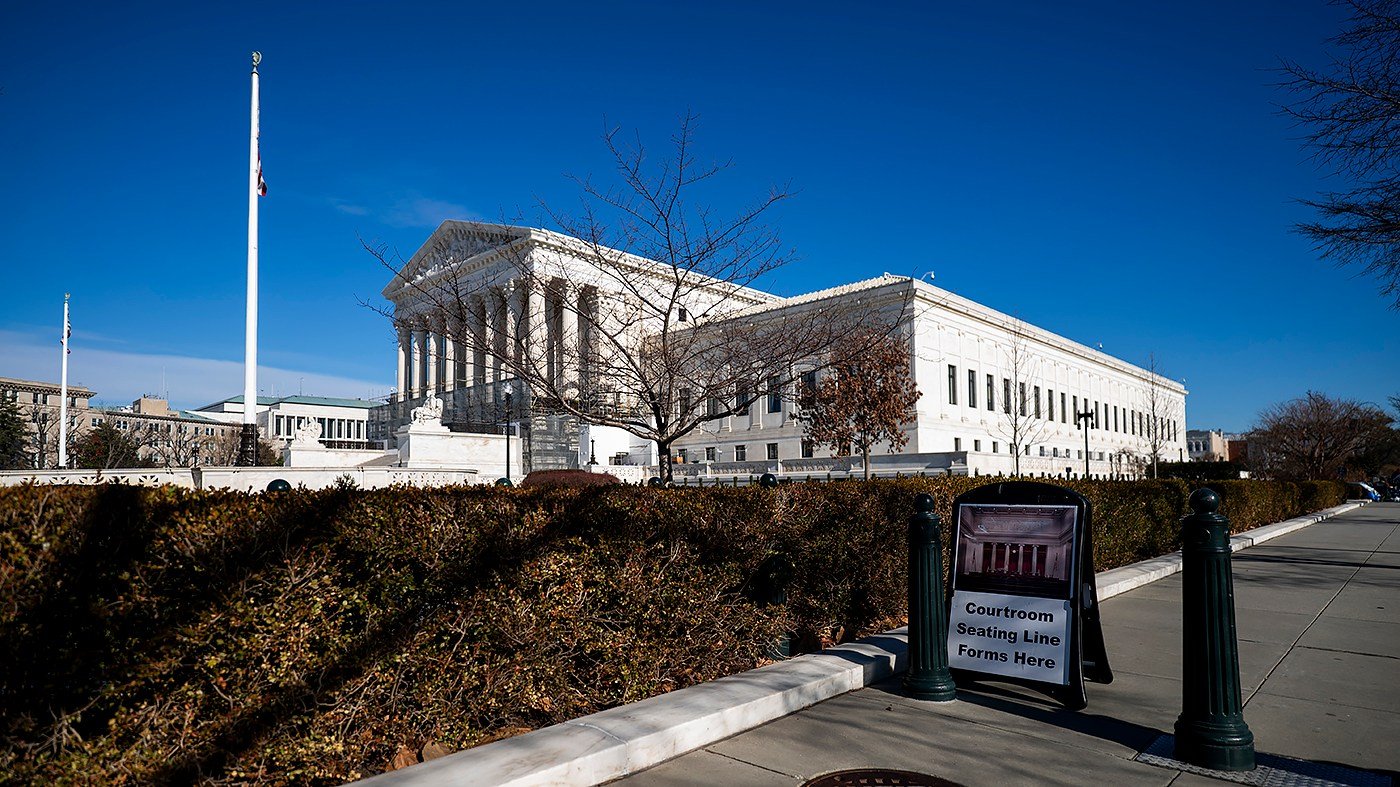
President Trump's ability to reshape the federal judiciary through Senate confirmations is about to hit a wall. With Democrats projected to take control of the chamber in January, the president will lose the procedural glide path that allowed him to install a record number of judges and three Supreme Court justices during his first term.
The shift is immediate: Senate Democratic Leader Chuck Schumer (N.Y.) has already signaled that his caucus will not cooperate with any future Supreme Court vacancy. “The bottom line is we're not going to allow a right-winger on the court,” Schumer told the Associated Press. That stance, born from years of bitter confirmation battles, marks a stark reversal from the 6-3 conservative majority cemented by Justices Neil Gorsuch, Brett Kavanaugh, and Amy Coney Barrett.

The impact extends to lower courts. During the current Congress, the Senate has confirmed only 56 of Trump's judicial nominees, a slowdown from the 83 confirmed at the same point in his first term. With Democrats set to hold at least 54 seats—and possibly 56 after Alaska and Mississippi are decided—the remaining weeks of the lame-duck session are a last chance for Republicans to fill vacancies.
Florida Governor Ron DeSantis (R) urged an aggressive push, writing on social media: “Every single federal judicial vacancy needs to be filled in the lame duck session. The Senate should pull all-nighters for as long as it takes. Democrats won't confirm a single Trump judge once they take over.” There are currently 28 district court vacancies, with nominees pending for 11 of them.
The pressure is mounting on individual senators. Mike Davis, a close legal ally of the president, publicly pressed Arkansas Republicans Tom Cotton and John Boozman to confirm Lee Rudofsky to an appeals court seat, accusing them of preferring another candidate. “They need to change their minds–and fast–or Republicans will lose this key appellate court seat,” Davis wrote on X. Neither senator's office responded to requests for comment.
Trump continues to announce nominees, even as the clock runs out. James Sullivan, who lost his reelection bid for the Texas Supreme Court, is set to be nominated to a federal judgeship, according to a Senate questionnaire reported by Reuters.
The midterm results have also altered the calculus for the Supreme Court. Pressure had built on Justices Clarence Thomas, 78, and Samuel Alito, 76, to retire while Republicans still controlled the Senate, but both have indicated they will stay. Alito told CBS News last month that he had “thought about” stepping down but decided he could still “make a valuable contribution.” Reports from The New York Times and Bloomberg suggest he has repeated that intention to associates since the election.
Thomas, now the second-longest-serving justice in U.S. history, is expected to break the record in May 2028. Both remain younger than recent retirees, and the political climate has shifted. Leonard Leo, the conservative judicial activist, called retirement speculation “crass,” and Trump himself said, “I hope they stay, 'cause I think they're fantastic.”
For Democrats, the new majority is a chance to reclaim influence over the judiciary, but it also carries risks. As some Republicans declare the Trump era over, the party must decide whether to use its power to block nominees or to govern. The coming months will test that resolve.