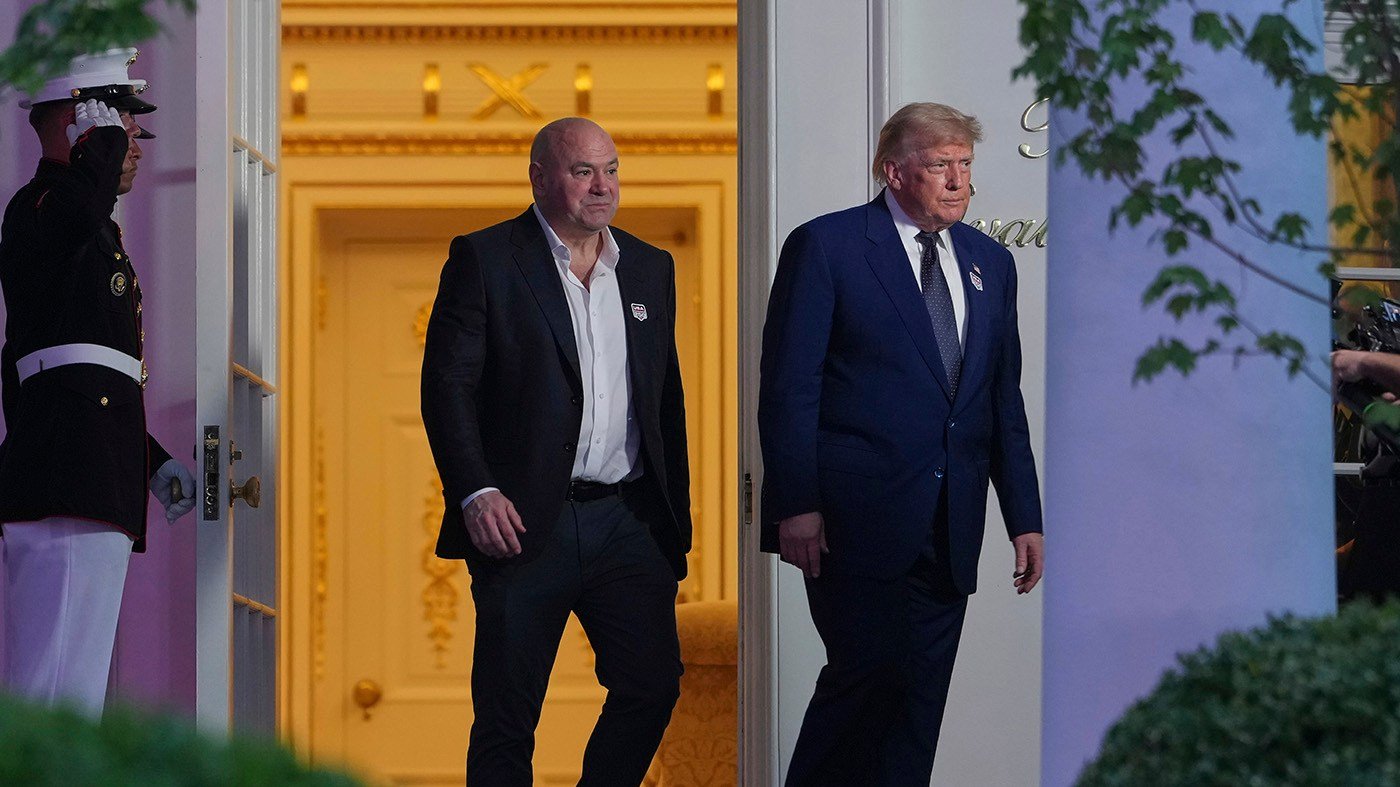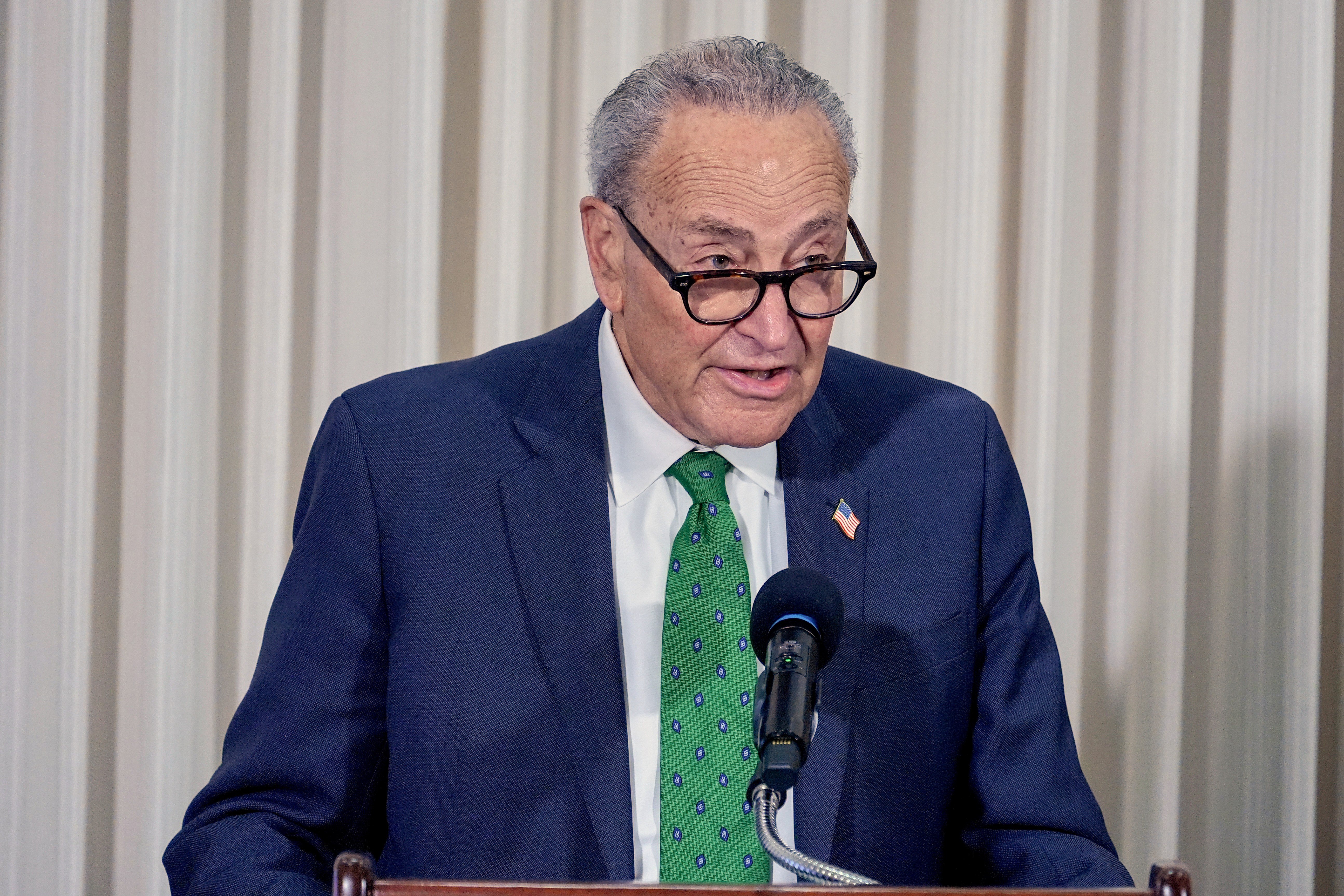
The Democratic takeover of Congress, fueled by widespread opposition to President Trump's military campaign in Iran, is set to trigger a constitutional confrontation over war powers. Exit polls show 74% of voters cited the Iran war as a key factor in their midterm decisions, and 70% want lawmakers to prioritize ending a conflict that Congress never authorized. Even with solid majorities in both chambers, translating that mandate into action will be difficult, especially since a previous resolution to withdraw troops was ignored by the White House.
Nevertheless, the incoming Congress has several powerful tools at its disposal. The most straightforward is the power of the purse. The Trump administration has spent nearly $50 billion on "Operation Epic Fury" without specific appropriations, relying on creative accounting. But an urgent budget shortfall forced the administration to request war funds, a request now languishing in the Senate. By simply refusing to act, the Senate can squeeze the Pentagon's finances. Historically, the Congressional Research Service notes, withholding funds has been Congress's most effective lever to force presidential course changes. During the Vietnam War, appropriations riders imposed a hard cutoff on combat operations in Southeast Asia after August 15, 1973, and similar tactics ended the Somalia mission after Black Hawk Down. The 120th Congress could follow suit by conditioning any further funding on a withdrawal deadline.
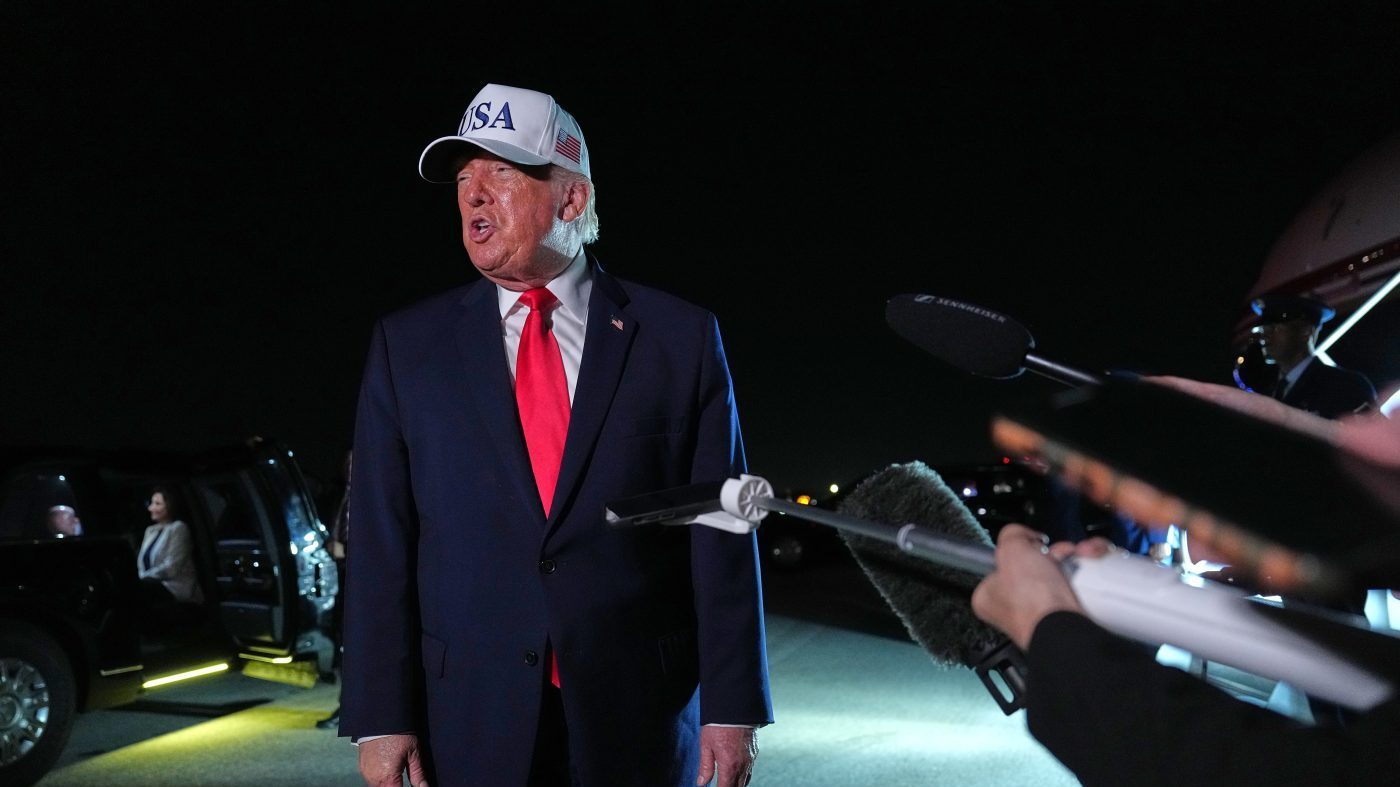
Another avenue is impeachment of Defense Secretary Pete Hegseth. Speaker Mike Johnson (R-La.) rushed the House into early recess in September to avoid a vote on articles drawn up by Rep. Thomas Massie (R-Ky.). Massie intends to force a vote this week, with four of the eight articles focusing on Iran, alleging an unconstitutional war and violations of the War Powers Resolution. While President Trump could simply fire Hegseth, the goal is not just a scalp but to impose political costs for continuing an unpopular, unauthorized conflict. As Congress prepares to challenge Trump's foreign policy, such constitutional censure could resonate with voters.
The third path is litigation. Rep. Gregory Meeks (D-N.Y.) has proposed a bill that would authorize the House to sue the president over the war, with Speaker Johnson as the nominal plaintiff. Federal courts are typically reluctant to intervene in war powers disputes, and past individual lawsuits were dismissed for lack of standing. However, when the House itself files suit, the case has a stronger chance. In 2020, the D.C. Circuit granted standing to the House's lawsuit over Trump's border-wall fund diversion, arguing he had "snatched the House's key out of its hands." Johnson may delay the suit, but when Rep. Hakeem Jeffries (D-N.Y.) takes the gavel in January, the House can proceed.
Even if courts are unlikely to declare the war illegal outright, both the lawsuit and the impeachment drive serve a strategic purpose: keeping the constitutional arguments in the public eye. Political scientist Douglas L. Kriner's research shows that congressional opposition framed in constitutional terms is especially persuasive, as most Americans still desire collective judgment on war and peace. Meanwhile, the power of the purse remains the ultimate weapon. As Trump hints at a cabinet shake-up, the new Democratic leadership is poised to use every available tool.
The incoming Congress does not need new powers or larger majorities to fulfill its constitutional responsibilities. It needs to start using the powers it already has, as Gene Healy, a senior scholar at the Reason Foundation, argues. With the midterm sweep setting the stage for leadership clashes and impeachment threats, the battle over the Iran war will be a defining test of congressional authority.