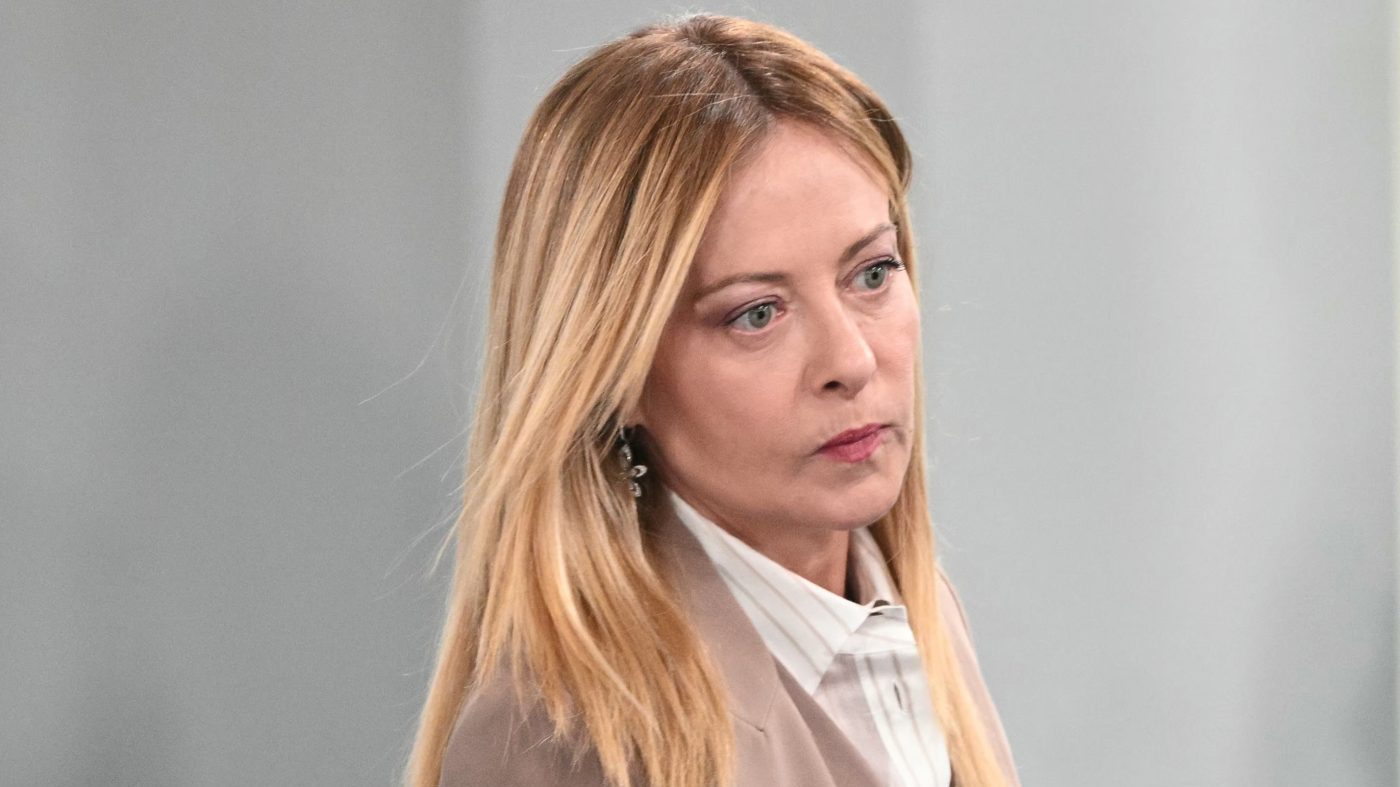
Italian Prime Minister Giorgia Meloni on Saturday pointed the finger at pro-Russian hackers for the leak of Foreign Minister Antonio Tajani's personal information onto the dark web, escalating tensions over cyberattacks linked to Italy's support for Ukraine.
In a formal statement, Meloni described the sale of confidential data belonging to institutional figures as a matter of "serious concern" that demands a resolute response. She also voiced alarm over the spread of fabricated images, which she said had been amplified by members of the opposition, warning that freedom of expression must not become a vehicle for disinformation.
Tajani, who has been a vocal backer of Kyiv, said cybercriminals had exposed his personal details and were "looking for more information, effectively exposing me to new threats and intimidation," including against his family. He noted the leaks had persisted for days, targeting his relatives as well.
In a post on X, Tajani struck a defiant tone: "My response is very simple: I will not be intimidated in any way. I will continue working to defend my ministry and Italy, and I will keep strengthening ties and cooperation with our allies so that we can protect ourselves together."
The incident comes amid close cooperation between Rome and Kyiv. Ukrainian President Volodymyr Zelensky recently highlighted his "very good relationship" with Meloni, noting that Italy receives feedback on the effectiveness of Italian-made and European-made weapons and shares technological improvements with manufacturers.
Meloni has also criticized the European Union for appearing "all over the place" in its handling of the Russia-Ukraine war. She argued that a fragmented European stance only serves the interests of those who want the conflict to continue, emphasizing that "human lives and the future of our security are at stake."
The cyberattack on Tajani is part of a broader pattern of digital threats targeting European officials who support Ukraine. North Korean hackers have been implicated in other major cybercrimes, highlighting the growing sophistication of state-linked actors.
Meanwhile, Zelensky has indicated that the United States could provide further assistance following the Democrats' sweeping victories in the 2026 midterm elections. He also confirmed discussions with President Trump's envoys, Steve Witkoff and Jared Kushner, ahead of trilateral talks between Russia, Ukraine, and the U.S. scheduled in Abu Dhabi next week.
The leak has sparked concerns among Italian lawmakers, with some opposition figures calling for a thorough investigation. Meloni's government has vowed to strengthen cybersecurity defenses and cooperate with allies to counter such threats.
As the situation unfolds, Tajani's resolve appears unwavering, and his case underscores the escalating digital warfare that accompanies geopolitical tensions. The Italian government's response may set a precedent for how European nations handle cyberattacks aimed at silencing pro-Ukraine voices.