Israeli President Isaac Herzog has formally tasked opposition leader Gadi Eisenkot with forming a new government, following last month's parliamentary elections in which Prime Minister Benjamin Netanyahu's coalition lost its majority. The Oct. 27 vote left no party with enough Knesset seats to govern alone, setting the stage for intense coalition negotiations.
Herzog's decision, announced after consulting with all elected factions, reflects the preference expressed by a majority of Knesset members. Under Israeli law, Eisenkot now has 28 days to cobble together a governing coalition, with a possible 14-day extension if needed. The president's choice is a significant blow to Netanyahu, who had hoped to retain power despite the electoral setback.

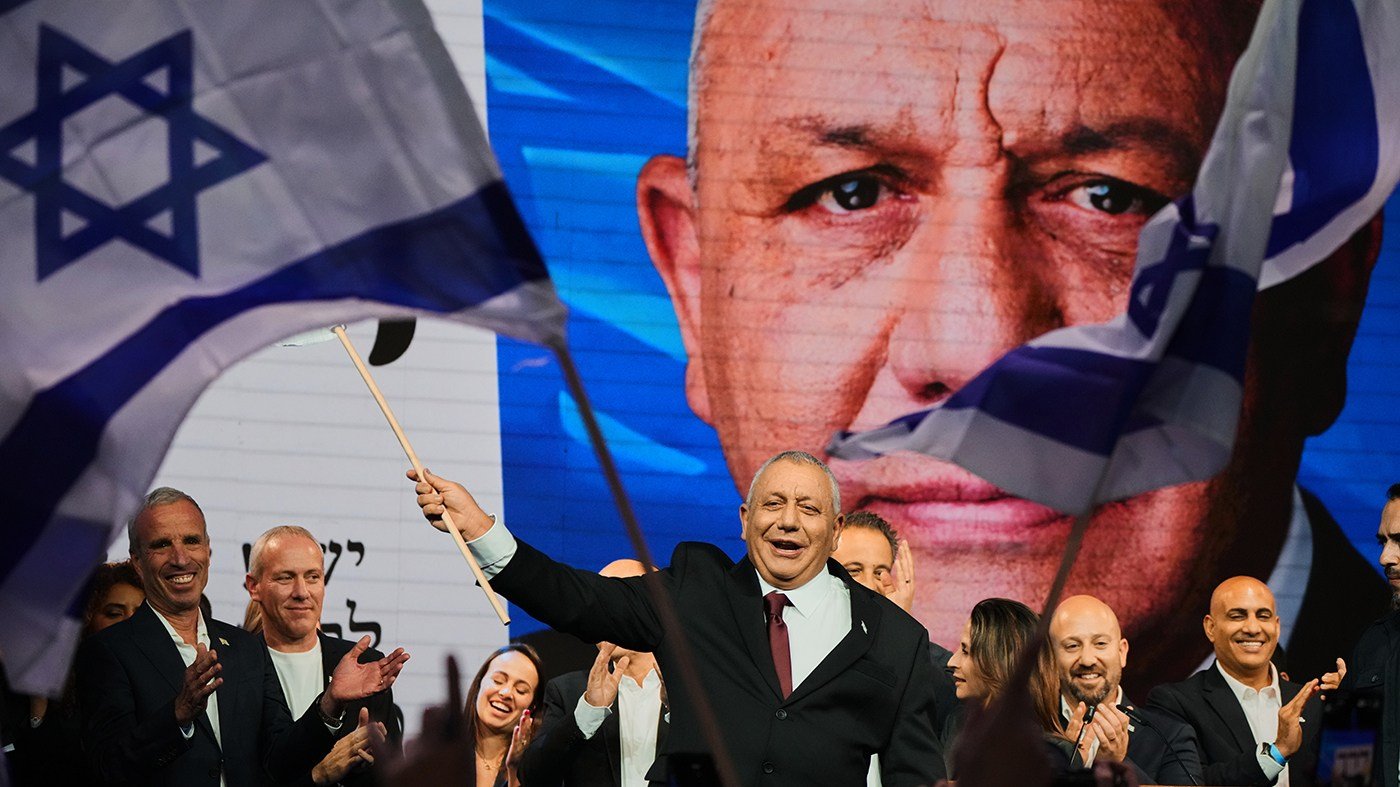
Eisenkot, a former chief of staff of the Israel Defense Forces and a centrist lawmaker, has emerged as Netanyahu's principal rival. His security credentials have been a central theme of his political rise, as highlighted in his challenge to Netanyahu's leadership. He has also been a vocal critic of the government's handling of the war in Gaza and the ongoing conflict with Hezbollah.
However, forming a coalition will be a formidable task. Eisenkot has laid down four non-negotiable principles for any partner, including the explicit designation of Hamas as a terrorist organization. This condition has already met resistance from Arab parties, whose support could be crucial for a parliamentary majority. The head of Ra'am, an Arab party, has stated he would not agree to such a label, complicating Eisenkot's path.
Moreover, Eisenkot faces a delicate balancing act. If he brings Arab parties into the fold, he risks alienating Yisrael Beiteinu, a right-wing faction whose leader has endorsed him but has ruled out sitting in a government that includes Arab parties. This dilemma underscores the fragility of any potential coalition and the deep divisions within Israeli politics.
Eisenkot's personal history adds another layer to his political stance. His son and nephew were killed fighting Hamas in Gaza, and he has remained steadfastly opposed to the establishment of a Palestinian state. He is also hawkish on Iran and has advocated for military action against Hezbollah in Lebanon. These positions may appeal to some right-wing factions but could further complicate negotiations with Arab and left-leaning parties.
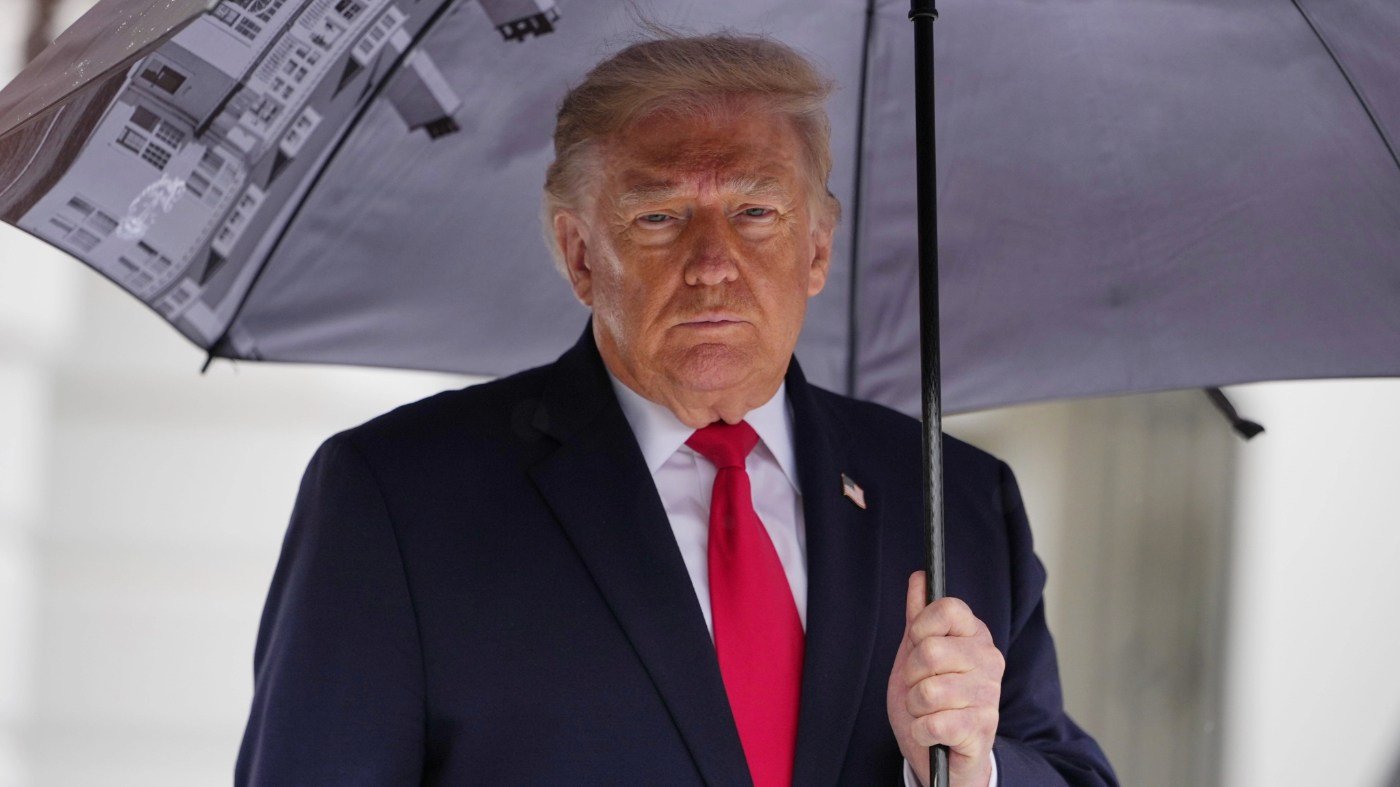
The political turmoil comes amid a backdrop of international attention. Former President Donald Trump endorsed Netanyahu just before the election, a move that underscored the complex relationship between the two leaders. Trump had previously criticized Netanyahu's handling of the Lebanon conflict, and on Election Day he claimed the U.S. would cut $4 billion in aid to Israel, a statement Netanyahu reportedly agreed to.
As Eisenkot begins his 28-day countdown, the outcome remains uncertain. The coalition uncertainty that has gripped Israeli politics shows no signs of abating. If Eisenkot fails to secure a majority, the country could face yet another election, prolonging the political paralysis. Meanwhile, the broader implications for Israeli democracy and its ties with the United States are likely to be significant, as the world watches to see who will ultimately lead the Jewish state.