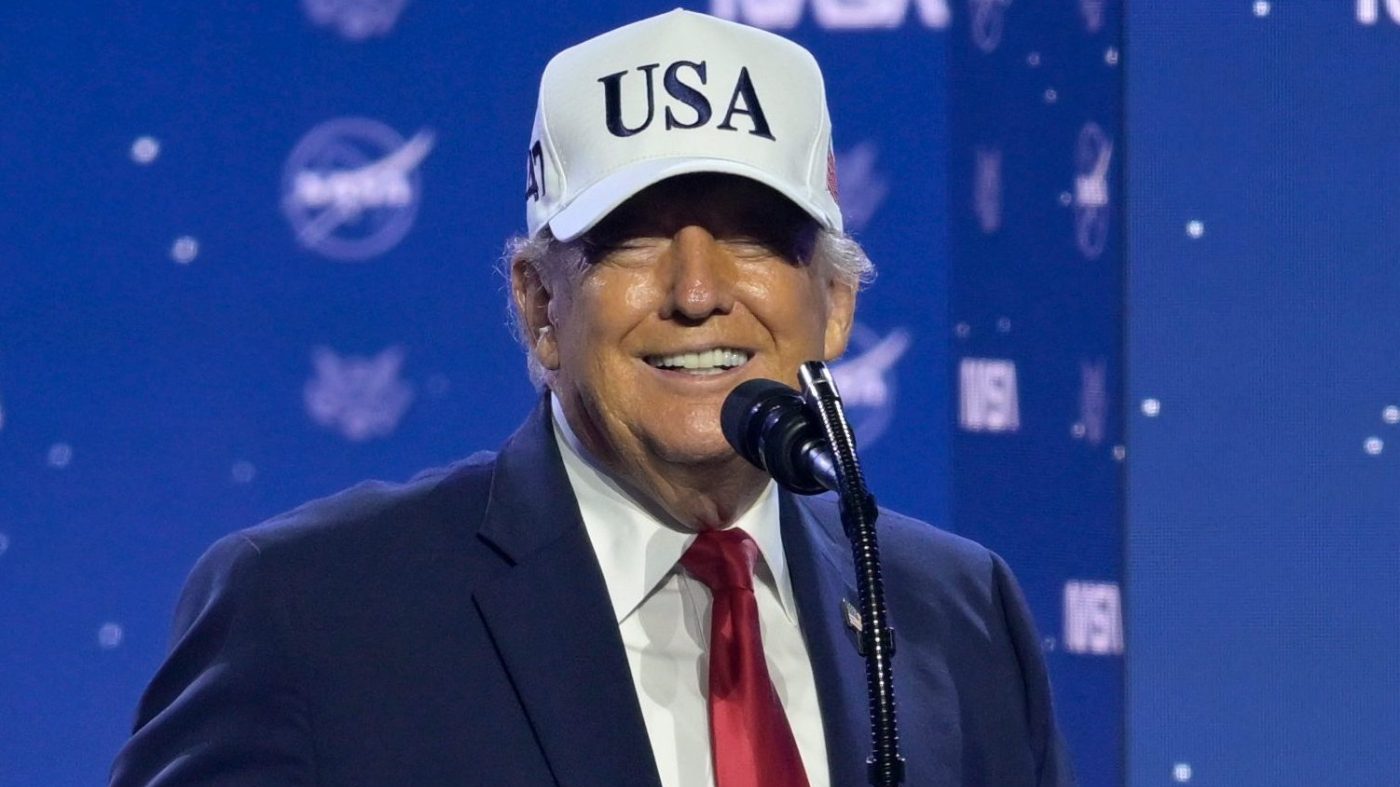
President Trump signaled in a new interview that his “Make America Great Again” movement could outlast his own political involvement, as the Republican Party grapples with the fallout from last week’s bruising midterm elections.
In a sit-down with CBS’s 60 Minutes correspondent Ross Douthat, Trump was pressed on whether the MAGA agenda can thrive without him at the helm. “Do you think you can have MAGA without you as the leader?” Douthat asked. Trump replied that he believes so, “because MAGA is basically common sense” — echoing the campaign trail refrain that framed the election as a choice between “common sense versus crazy,” a line Trump and other Republicans used to describe Democrats.
The interview comes as the GOP absorbs a devastating electoral setback that has thrown the party’s future into uncertainty, with questions mounting over Trump’s own political trajectory and the durability of the movement he built. The midterm results have also scrambled the early contours of the 2028 Republican presidential primary, which is now roughly 15 months away.
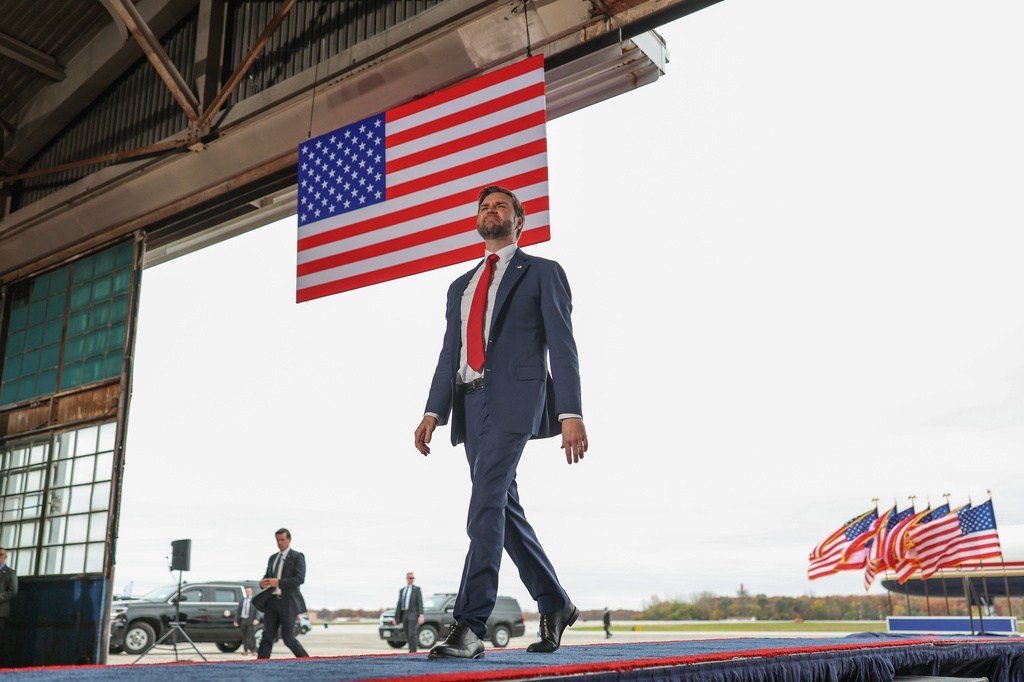
Douthat noted that Trump would likely endorse a successor to carry his legacy forward. Trump initially said “probably,” but quickly added, “not necessarily. We have a tremendous bench.” When pressed on who else might be in that mix beyond Vice President Vance, Trump praised Secretary of State Marco Rubio — “Well, I think Marco’s great” — but declined to name others, citing “some senators that are excellent.”
“So, I may or may not get involved,” Trump continued. “I don’t know. Maybe I’m better off not getting involved.”
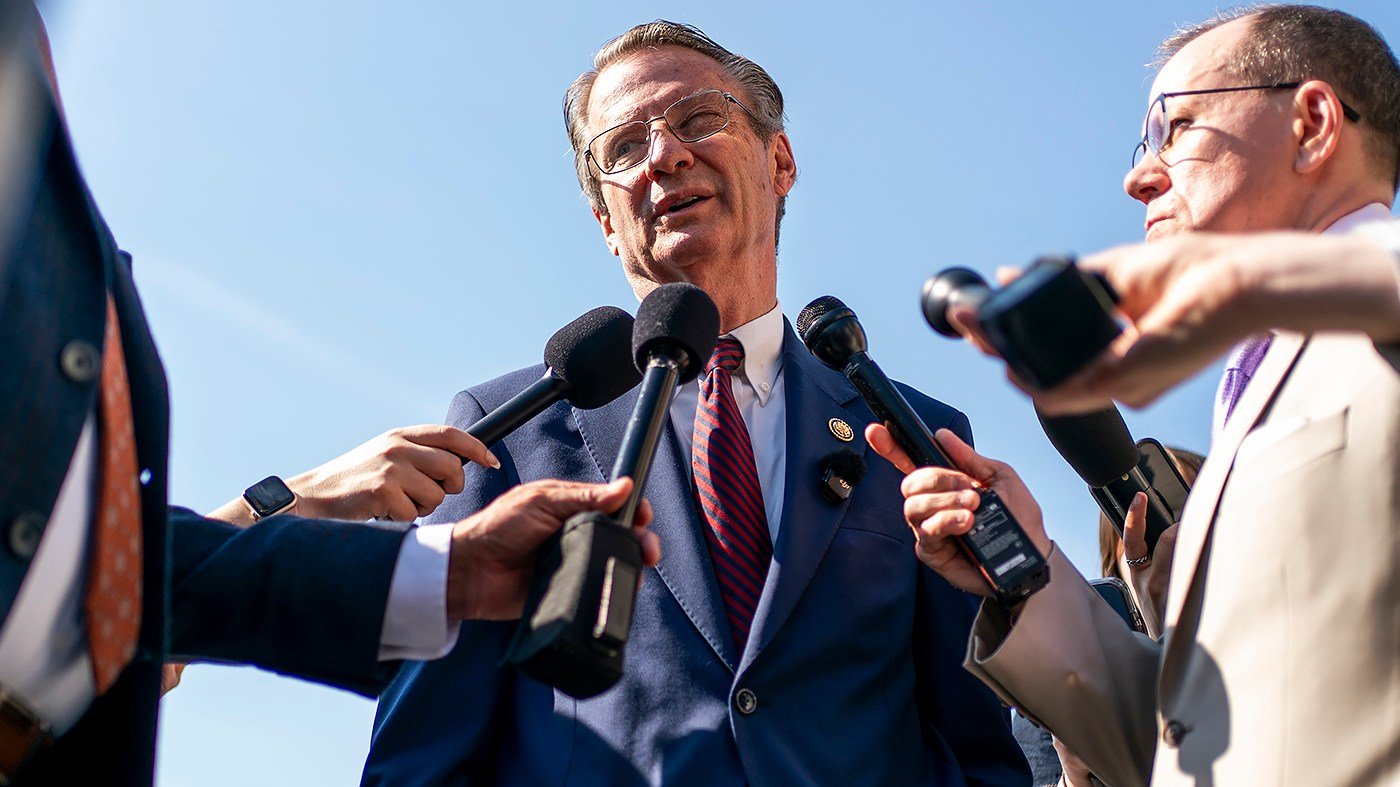
The president’s equivocation underscores a broader Republican dilemma. Vance is widely viewed as the most likely heir to Trump’s political machine, but his close association with an unpopular administration could complicate any effort to run as a change candidate. That tension has opened the door for other potential contenders, including Florida Gov. Ron DeSantis and Texas Sen. Ted Cruz, both of whom have been quietly positioning themselves for a possible bid.
Rubio, who ran against Trump in the 2016 GOP primary, has fared well in hypothetical 2028 matchups against Democratic rivals, according to an Emerson College/The Hill poll from August. The secretary kept a low profile during the midterm campaign and has not commented publicly on the results. Reports from The Independent and other outlets suggested Rubio was weighing an exit from the administration to prepare for a presidential run, but the State Department dismissed those claims as a “baseless hoax.”
As the party recalibrates, Trump’s own role remains a central question. His admission that MAGA could function without him — and his willingness to stay on the sidelines — may signal a shift in how he views his political future. But for now, the GOP’s path forward is anything but clear, with internal tensions simmering over the midterm wipeout and the party’s direction.
Senior Senate Republicans have privately voiced frustration with Trump’s handling of the campaign, with some already eyeing a 2028 pivot. Meanwhile, Trump has conceded that his hardline immigration stance may have contributed to the losses, a rare acknowledgment that suggests even he recognizes the limits of his political sway.
For now, the MAGA movement’s fate — and the question of who will lead it — remains open, as Trump weighs whether to anoint a successor or let the field sort itself out.