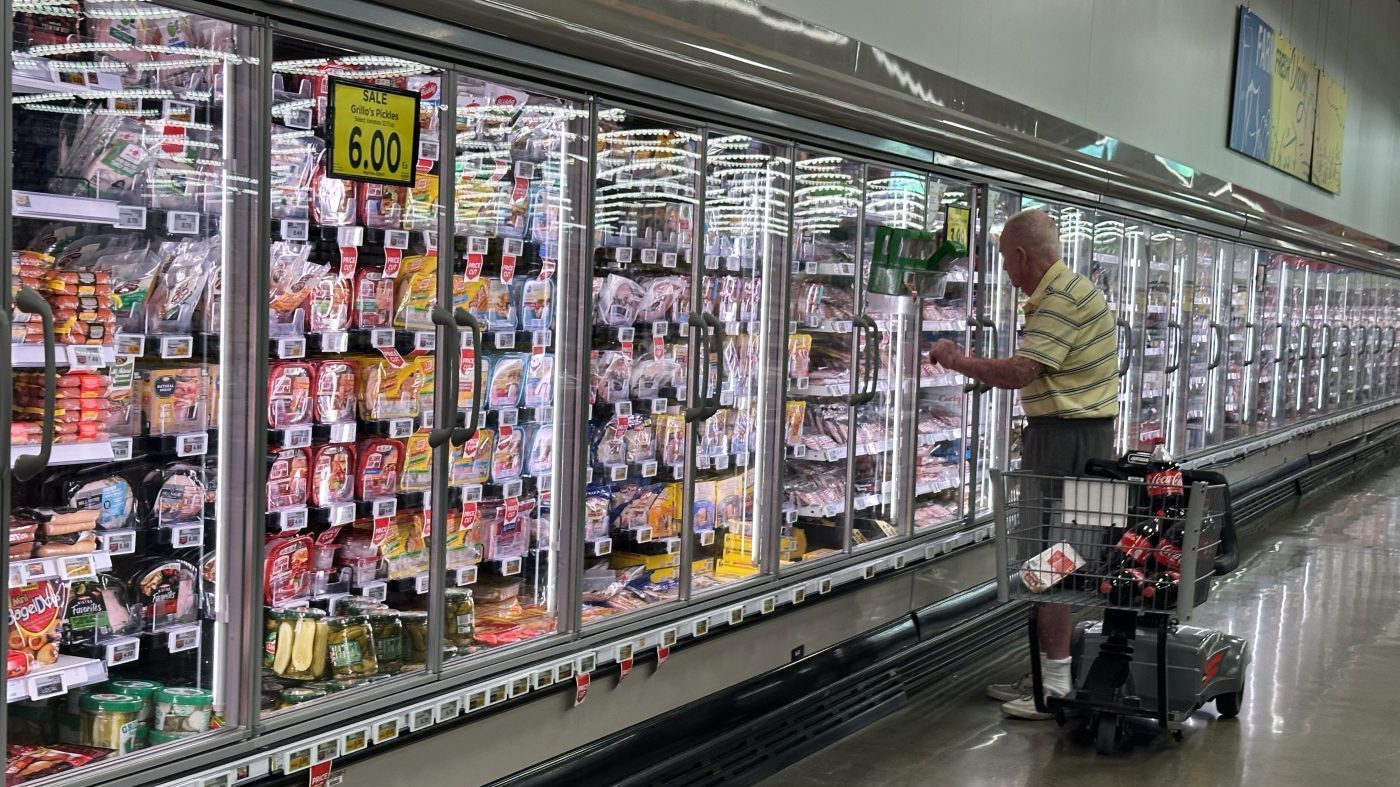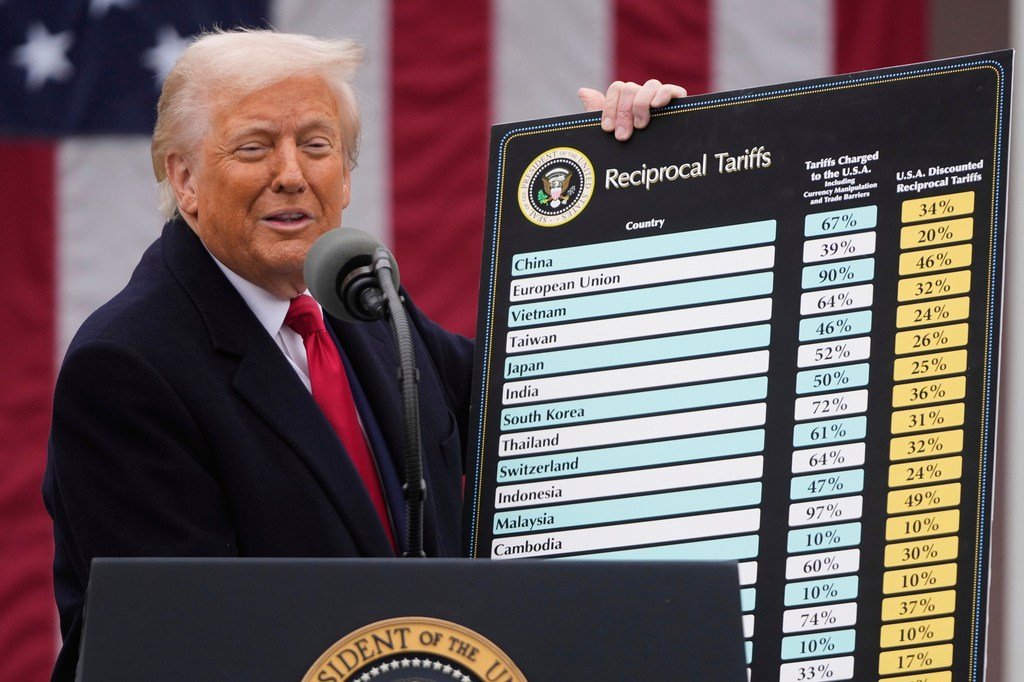
Even with the Democratic wave that swept through the midterm elections, trade policy is unlikely to see a radical overhaul. Polls show nearly two-thirds of Americans blame President Trump for rising prices at the pump and in grocery stores, pointing to his trade policies and the conflict with Iran. Yet the incoming Democratic majority in Congress is not expected to dismantle the tariffs and trade restrictions that have burdened households and strained alliances.
Tariffs have never been solely a Republican project. Over the past decade, a bipartisan consensus has emerged that is skeptical of free trade. The debate between the parties has shifted from whether to protect the U.S. economy to how best to do so.

The Biden administration, for instance, built on Trump's tariffs rather than reversing them. It raised Section 301 tariffs on Chinese electric vehicles from 25% to 100%, increased duties on steel and aluminum to 25%, and boosted semiconductor tariffs from 25% to 50%. These moves were not minor tweaks; they signaled Democratic support for industrial policy and countering Chinese competition. Returning to the pre-Trump trade consensus would undermine that project.
Democrats still hope to win back working-class voters by emphasizing manufacturing jobs and wages. This was evident in key midterm races, such as James Talarico's campaign in Texas and Abdul El-Sayed's in Michigan, both of whom called for selective tariff reductions rather than a return to broad free trade.
Being selective means targeting fewer allies and partners. The Supreme Court's February decision invalidated Trump's use of emergency powers to impose tariffs, leading to a temporary 10% global import surcharge under Section 122 of the Trade Act of 1974. That expired on July 24, replaced by new Section 301 duties on 60 trading partners over forced labor concerns. These new duties add 10% tariffs on imports from nearly 20 economies, including Canada, Mexico, Britain, and India. The European Union, Japan, South Korea, Taiwan, and Switzerland face rates designed to bring total duties to 10% or 12.5%.
Reducing barriers with allies makes strategic sense, but China is a different matter. Chinese imports face multiple overlapping measures: Section 301 tariffs ranging from 7.5% to 100%, plus the new 12.5% forced-labor duty. Trump's negotiations with Beijing have yielded limited relief, and trade restrictions have expanded to include controls on advanced technology.
Democrats face three conflicting goals: lowering prices at home, repairing alliances, and confronting China. Achieving all three simultaneously is difficult. They could ease some tariffs on allies, especially where they undermine cooperation with Europe, Japan, Canada, and South Korea. But reducing friction with allies is not the same as embracing free trade. A Democratic Congress could just as easily support stronger domestic manufacturing incentives, targeted restrictions on Chinese imports, and investment in semiconductors, batteries, critical minerals, pharmaceuticals, and clean energy.
Institutional constraints also matter. Congress has delegated significant trade authority to presidents from both parties. Modern tariff policy rests on executive powers like Sections 232 and 301. Congress can oversee, change statutes, and influence appropriations, but it cannot automatically remove tariffs imposed by executive action. And Democrats may not agree on limiting presidential authority, since future Democratic presidents could benefit from those same powers.
Ultimately, the midterms may change the tone of trade policy more than its direction. There remains a bipartisan consensus that economic security, domestic manufacturing, and technological leadership are core objectives. The disagreement is over which tools to use and which countries to target.
Jeffrey Kucik, Ph.D., is a fellow at the Wahba Initiative for Strategic Competition and an adjunct professor of political science and law at the University of Arizona.