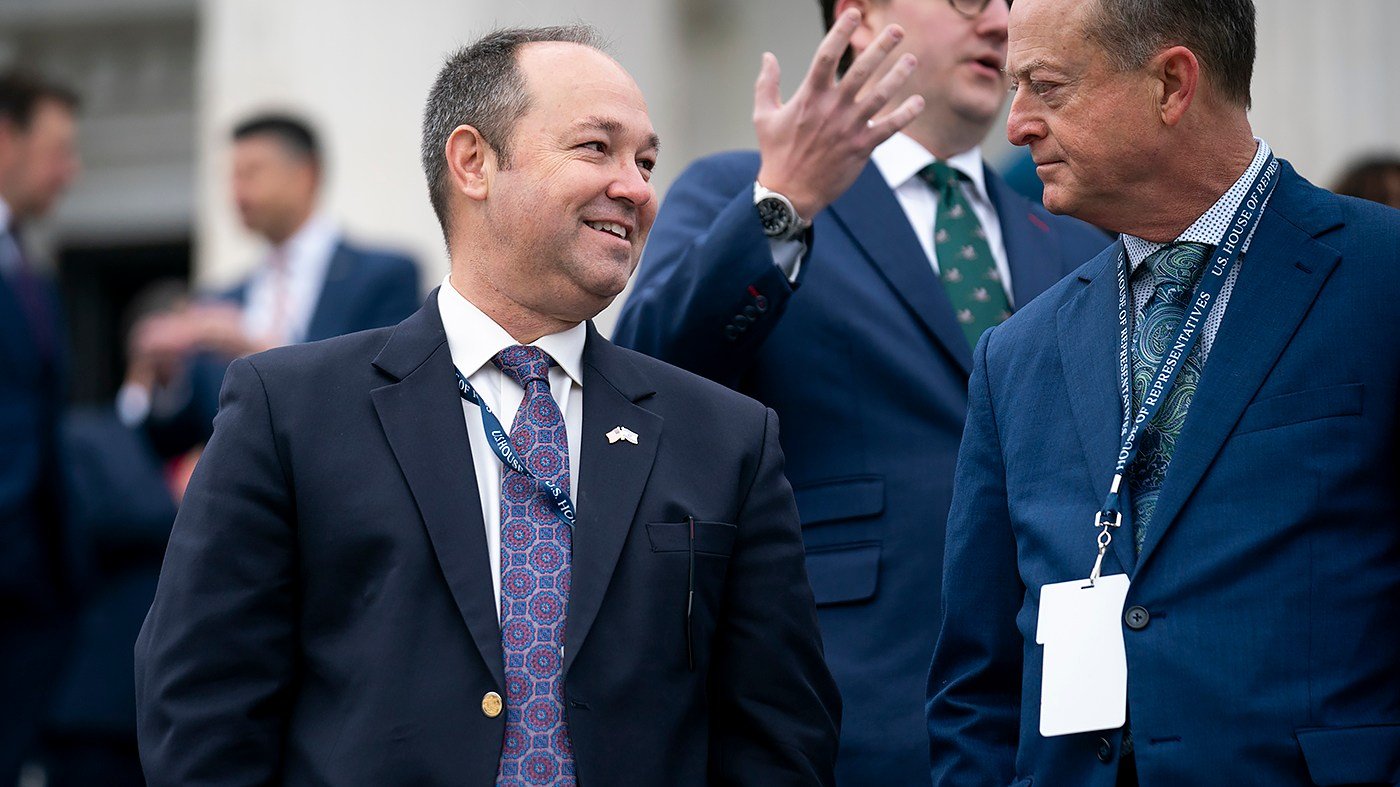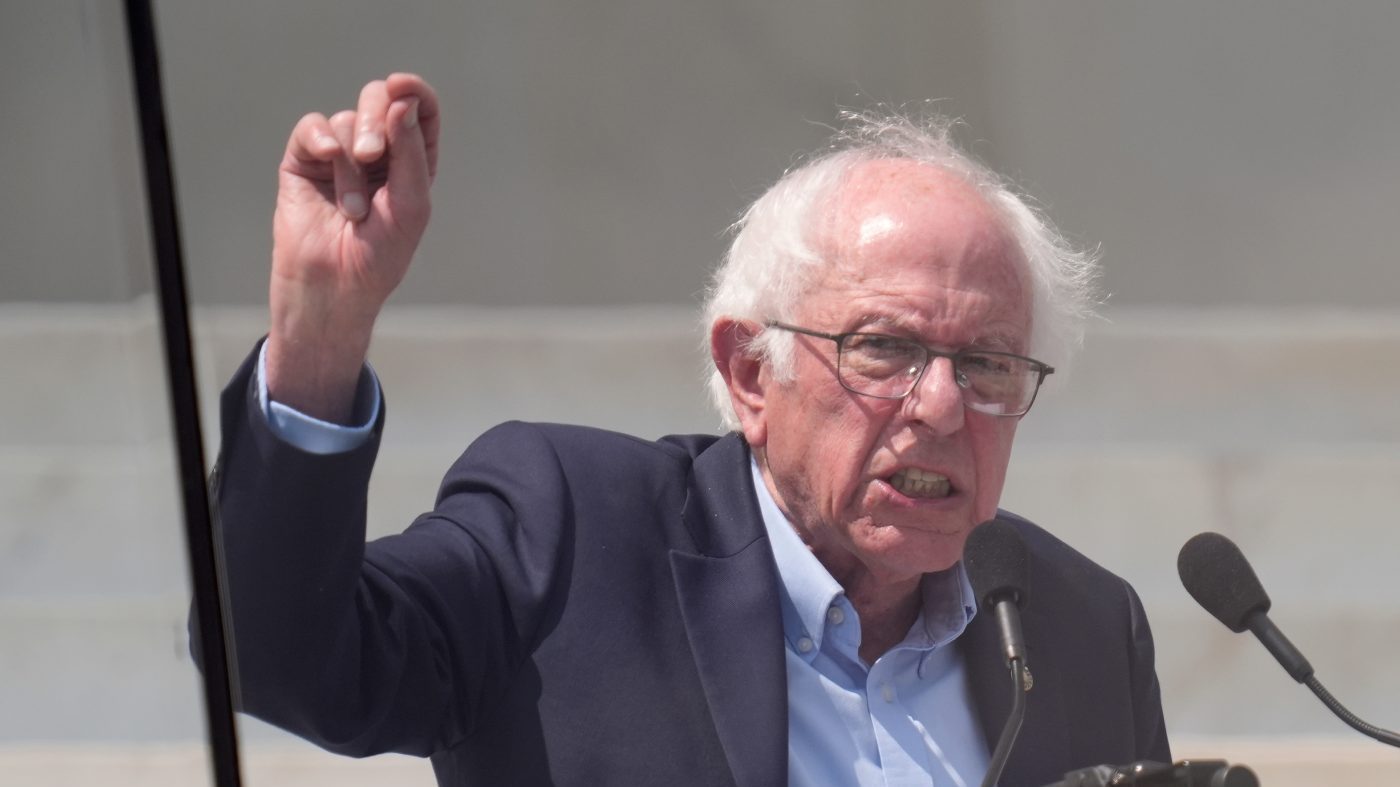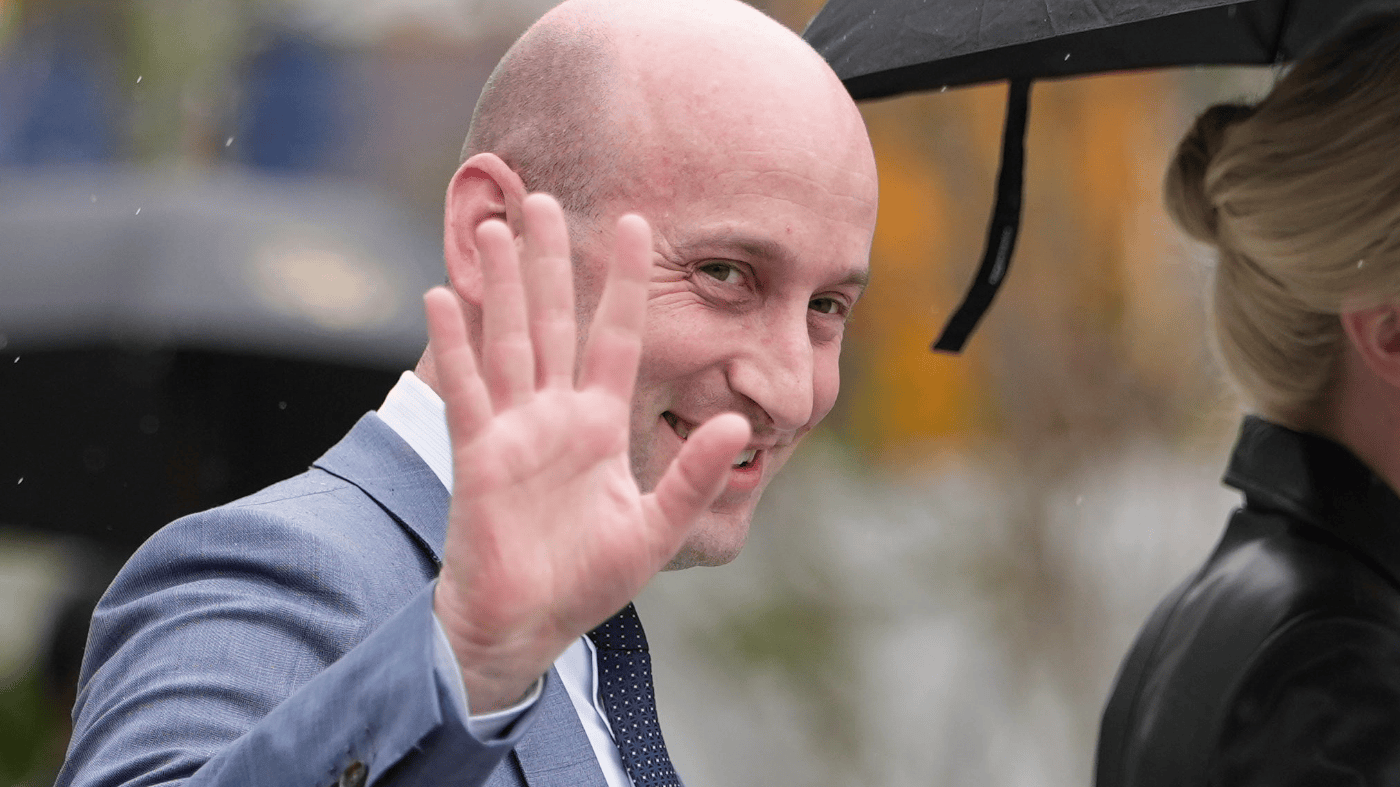
Richard Walters, the White House deputy chief of staff, is stepping down from his position, a shift triggered by the announcement that Stephen Miller will assume the role of chief of staff. The departure, first reported by Axios, marks another significant personnel change in the administration as it recalibrates after a bruising electoral cycle.
In a statement obtained by NewsNation, Miller praised Walters as “an invaluable member of the White House” who “helped deliver some of the Administration’s biggest victories.” Miller added that while Walters is leaving the administration, he “will continue to help from the outside” as the team works “with all of our strength to deliver for President Trump and his courageous fight to Save America.”
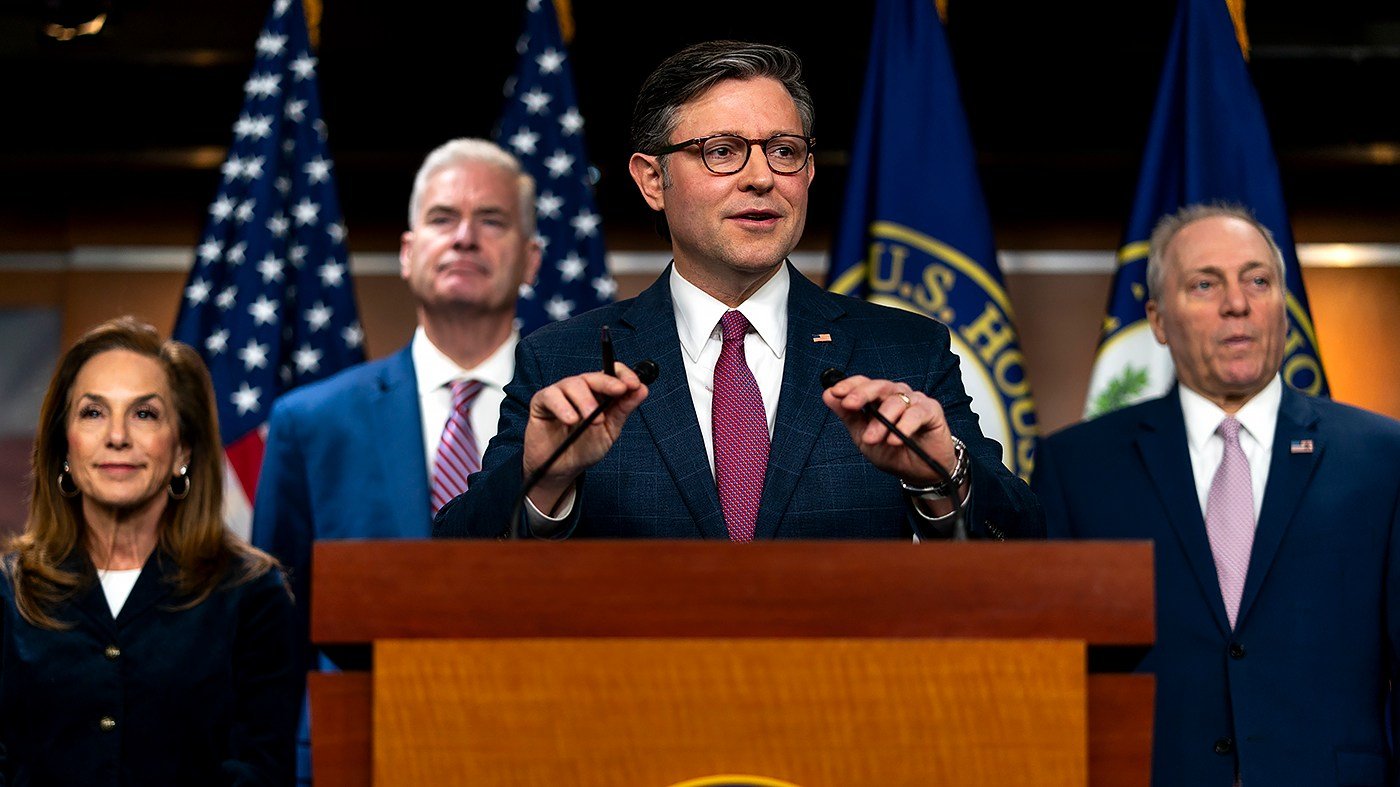
Walters’s exit comes on the heels of President Trump’s announcement last week that Susie Wiles, the outgoing chief of staff, would be moving to the Trump Political Operation. Trump took to Truth Social to confirm Miller’s elevation, writing, “I am pleased to announce that Mr. Stephen Miller, the current Deputy Chief of Staff of the Trump Administration, and one of my most trusted advisors, will become the Chief of Staff starting Monday, November 9, 2026.”
Trump also thanked Wiles for her service, saying she “has done an outstanding job” and “has done a great job!” The transition signals a consolidation of power around Miller, a longtime immigration hard-liner and one of the president’s most loyal aides.
The reshuffle comes after a disastrous Election Day for Republicans, who lost control of both the House and Senate and saw Democrats make inroads in traditionally conservative regions. The party’s setbacks have sparked internal criticism of Trump’s leadership and his choice of Miller. Some GOP senators, including Thom Tillis, have called the appointment a “colossal mistake,” while Democrats have condemned Miller’s rise as “dangerous.” House Minority Leader Hakeem Jeffries went further, labeling Miller a “dangerous xenophobe.”
Miller’s promotion has also drawn scrutiny from within the party. Some Republicans have openly slammed the pick, arguing that elevating a polarizing figure like Miller could further alienate moderate voters. Meanwhile, Tillis’s sharp rebuke underscores the fissures in the GOP as it grapples with the midterm fallout.
In his first public remarks as chief of staff, Miller vowed “absolute loyalty” to Trump, a pledge that has done little to assuage critics who see his appointment as a sign of an increasingly insular White House. His debut has been met with both defiance and alarm, reflecting the high stakes of the administration’s new direction.
Walters’s departure is the latest in a series of high-level exits as the administration pivots to a more combative posture. His role as deputy chief of staff had been seen as a stabilizing force, and his continued outside counsel may be an attempt to maintain some continuity amid the upheaval.
The White House has not announced a replacement for Walters. The move comes as Trump and his team prepare for a contentious political landscape, with Democrats emboldened by their midterm gains and Republicans divided over the path forward.