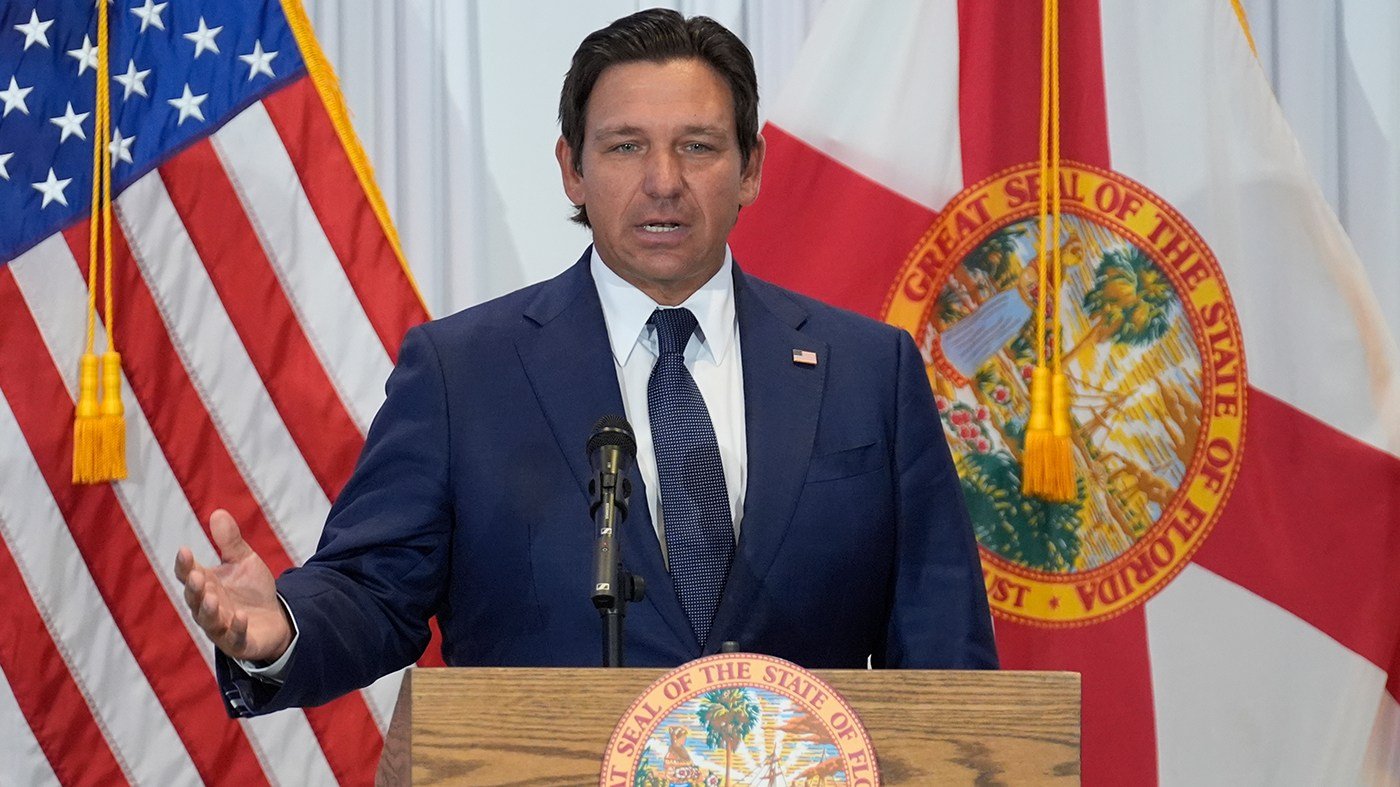
Florida Gov. Ron DeSantis (R) on Monday criticized the College Football Playoff's decision to expand to 24 teams, calling the move "short-sighted" and arguing it will prioritize revenue over the sport's longstanding character.
In a social media post, DeSantis said the expansion "might bolster profits in the near term but will further erode what has traditionally made college football special." His remarks came hours after ESPN and the College Football Playoff Committee announced the single-elimination postseason tournament would grow from 12 to 24 teams starting with the 2027 season.
The expanded format accompanies a media rights extension with ESPN valued at more than $1 billion over the next five seasons. The deal cements the network's role as the primary broadcaster of the playoff.
DeSantis's criticism lands amid a broader congressional debate over the governance of college sports. Lawmakers have spent months wrestling with legislation on the transfer portal, name, image and likeness (NIL) compensation, and media rights. The Senate-passed Protect College Sports Act appears unlikely to become law before year's end, and with Democrats poised to control both chambers next year, the bill could be shelved indefinitely.
President Trump has repeatedly urged Congress to pass meaningful college sports reform, and many Republicans have voiced concerns about an escalating arms race among top programs, fueled in part by prime-time postseason matchups that drive television ratings.
The NCAA, which does not operate the College Football Playoff, separately announced earlier this year that it would expand its men's and women's basketball tournaments from 68 to 76 teams.
DeSantis, viewed as a potential 2028 GOP presidential contender, has been increasingly vocal about the direction of his party. Last week, he described Republican losses in the midterm elections as an "extinction level" event. His latest comments add to a growing list of critiques aimed at Trump and GOP leadership.
While the playoff expansion is unlikely to face immediate political hurdles, DeSantis's opposition signals that college sports governance could become a recurring theme on the campaign trail. His stance may resonate with traditionalist fans and could further distinguish him in a crowded 2028 Republican primary field.
For now, the playoff expansion proceeds as planned, with the first 24-team bracket set to kick off after the 2027 regular season. Whether DeSantis's critique gains traction among voters or policymakers remains to be seen, but it underscores the intensifying intersection of sports, money, and politics.