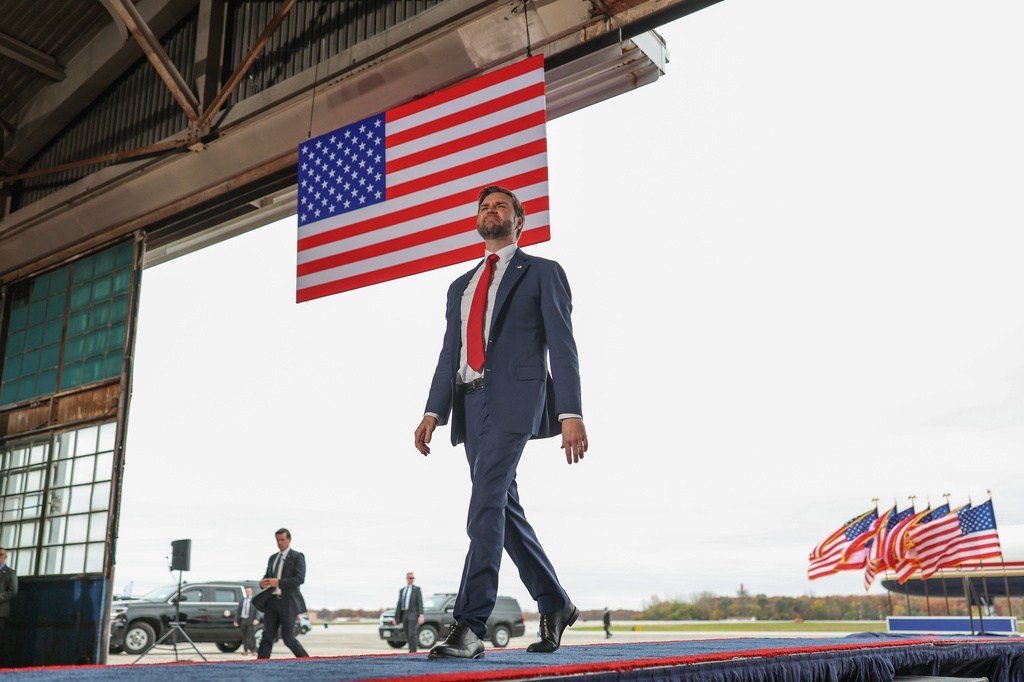
The Republican Party's devastating midterm losses have thrown the 2028 presidential contest into disarray, with Vice President JD Vance's once-clear path to the nomination now clouded by the administration's unpopularity. As the party grapples with its worst electoral performance in decades, several figures—including Secretary of State Marco Rubio and Florida Governor Ron DeSantis—are quickly positioning themselves for a post-Trump era.
Vance, 42, remains the nominal frontrunner in early polls and betting markets, but his close association with the White House's failed midterm strategy has become a liability. "It's the MAGA base that's still the decider of the presidential nominees and Vance is still probably the best embodiment of the MAGA base, but you know he also has to own every decision that is made the past two years and the next year," said Arizona-based GOP strategist Barrett Marson.
In the aftermath of Tuesday's rout, Vance publicly blamed the war—a conflict Trump initiated over eight months ago—for the party's losses. "The reason we lost is the war. The president himself said so last night," Vance wrote in a lengthy social media post. "If you'd like to argue it was worth it, that losing the Senate for the next 6 years was worth it, then do so." Trump called the statement "good" but declined to endorse Vance for 2028, saying, "Maybe you have a lot of people running. Maybe nobody's going to run. Maybe he won't run. I don't know who's going to run."
Vance, who has not spoken to Trump about a 2028 bid, remains close to Donald Trump Jr. Yet some insiders question whether he will even enter the race. One national political consultant involved in competitive races suggested, "I think Vance is no fool. He's probably asking, 'Am I going to commit the next two years of this when the odds of success are pretty slim?'"
Rubio's Quiet Rise
Secretary of State Marco Rubio is widely seen as the most likely Cabinet member to run. Despite State Department denials that he is stepping down to prepare, Rubio, 55, has strong appeal in general election matchups, according to an Emerson College/The Hill survey from August. A son of Cuban immigrants, Rubio has long advocated for regime change in Cuba and has been a driving force in Trump's Venezuela policy.
Rubio has stayed largely silent on the midterm results, but his distance from the campaign may prove beneficial. Rep. Marlin Stutzman (R-Ind.), who won reelection, has already endorsed him. Tim Chapman, president of Mike Pence's Advancing American Freedom, noted, "one thing Rubio has going for him is that he does have just instinctively coalitional capabilities." However, the consultant added, "I agree that Rubio is a much stronger candidate than Vance. But I think Rubio is again asking, 'What's the nomination worth?'"
DeSantis Seizes the Moment
Ron DeSantis, the term-limited Florida governor, has been vocal since the midterms, calling the outcome an "extinction-level event" and a "rebuke of the president and the Congress." At 48, he is emerging as a rare GOP winner, having kept Florida red while other states flipped. "Ron DeSantis is trying to repeat his moment from four years ago, and this time it actually could stick, because he gets to point to a lot of great things in Florida, including one of the only red states that actually remained red," Marson said. Chapman predicted DeSantis will "become much more critical of some of the excesses of the second Trump term."
Cruz and the Senate Field
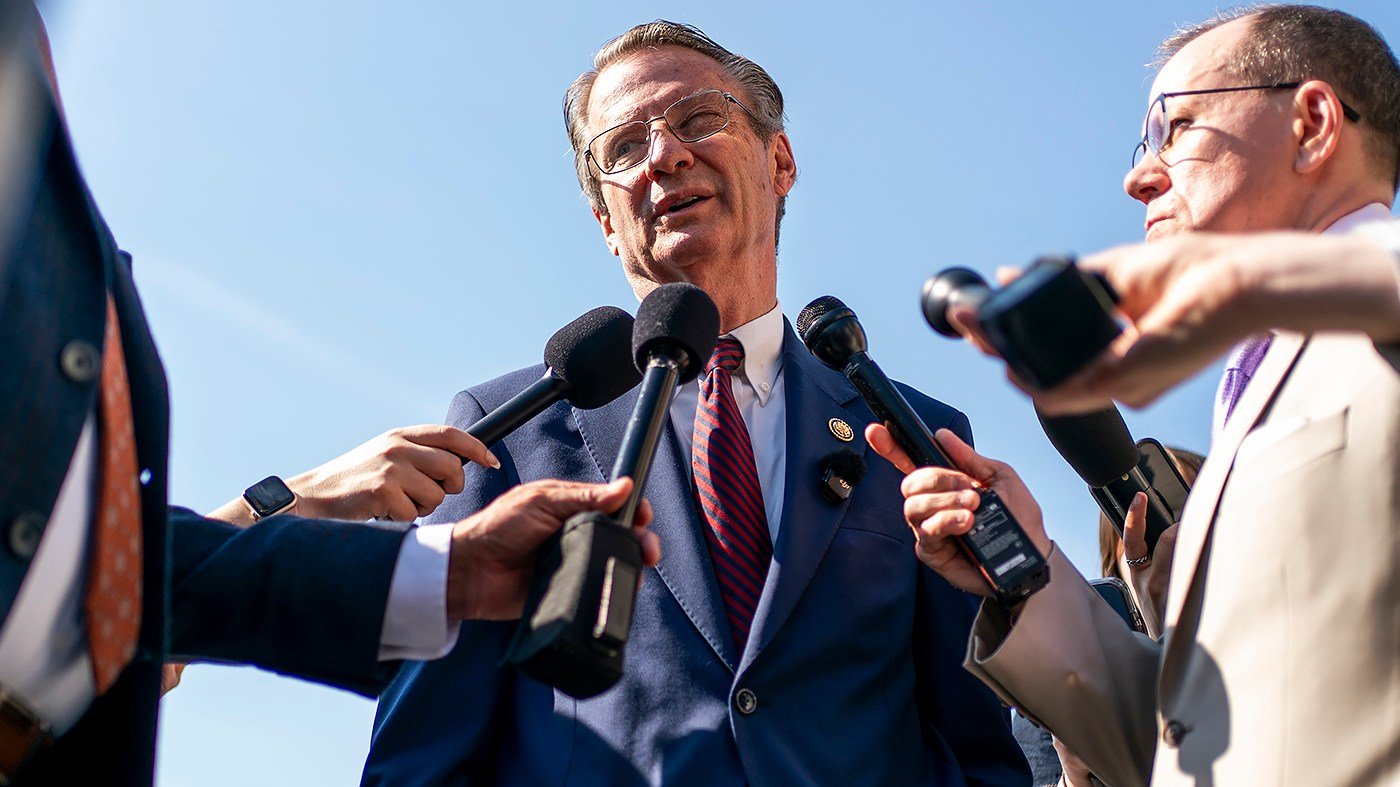
Senator Ted Cruz, who ran against Trump in 2016, is the most likely senator to jump in. Other potential candidates include Tom Cotton (R-Ark.) and Josh Hawley, though Hawley has said he has "no intention" of running. Cruz, up for reelection in 2030, has not ruled out another bid.
With the GOP's working-class coalition showing signs of erosion—as noted in Vance's postmortem on the blue tsunami—the 2028 race is wide open. The party's losses have also been blamed on Trump's campaign missteps, further complicating Vance's path. As the GOP 2028 race opens up, the field is likely to expand, with names like Giuliani warning about Vance's personality adding to the uncertainty.
For now, Vance remains the frontrunner, but his grip is slipping. The next 15 months will be critical as the party searches for a new torchbearer.