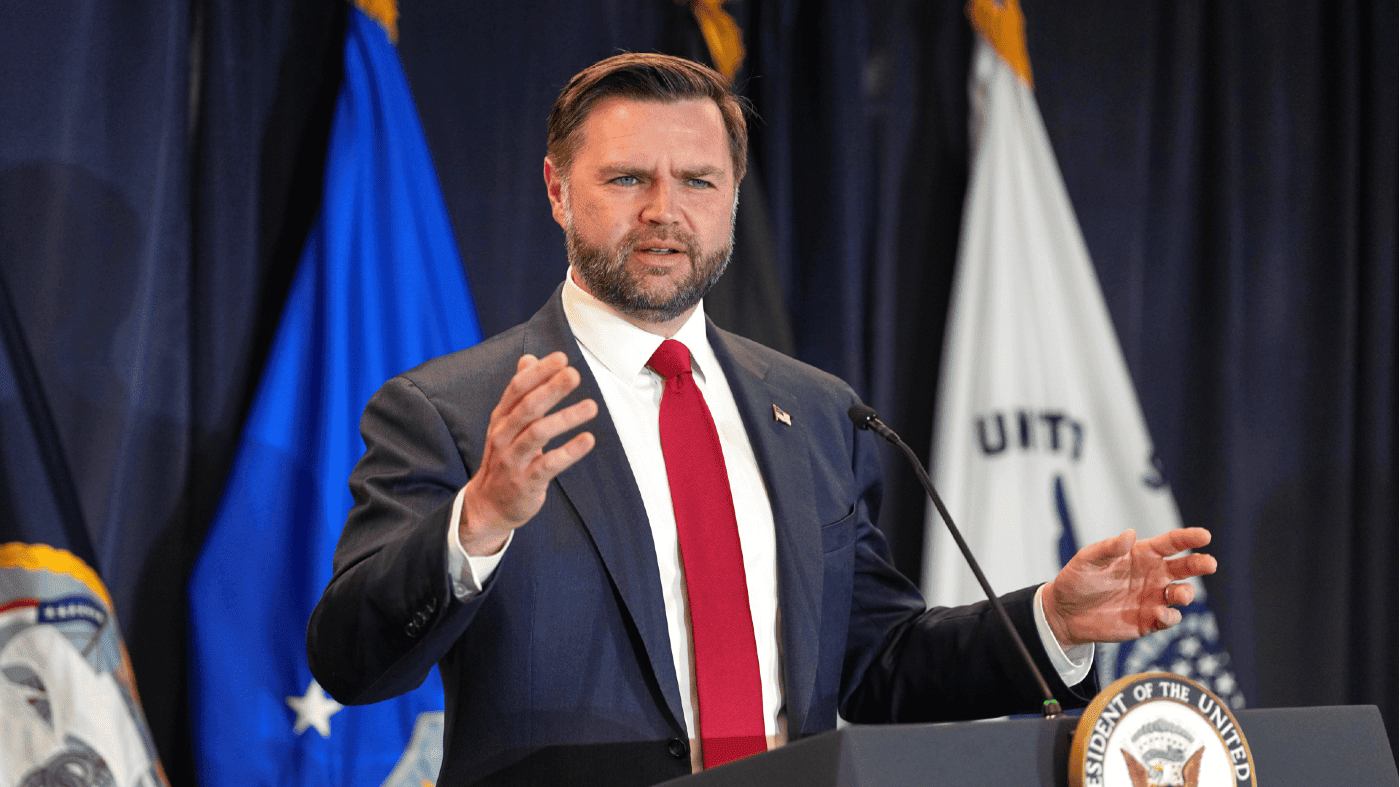
The morning after the midterm elections, Vice President JD Vance delivered a blunt rebuke to President Trump via social media: "The reason we lost is the war." While foreign policy rarely decides U.S. elections, this cycle proved exceptional.
Heading into 2026, Republicans had reason for optimism. Trump's approval sat at 41%, and betting markets favored a GOP Senate majority. But as the Iran conflict escalated and gas prices surged, Trump's ratings collapsed to historic lows. The president had urged Americans to treat the election as a referendum on him—and they did.
Post-election surveys showed foreign policy ranking fifth among voter concerns, trailing the economy (39%), democracy (32%), immigration (14%), and healthcare (8%). Yet the economic pain voters cited—inflation and high gas prices—was directly tied to the war. Moody's estimated the conflict cost households an average of $2,000, and three-quarters of voters said Iran was a major factor in their choice.
Other issues proved less decisive. Tariffs hurt the Midwest, yet Democrats underperformed in Michigan, Minnesota, and Ohio. Data center opposition didn't galvanize young voters, who swung hardest to the left. Latino voters' shift was driven by cost-of-living, not immigration—a September poll showed their views on Democratic handling of the border unchanged since 2022.
The rebellion was most pronounced among young Republicans and independents. Seven in ten Gen Z voters backed Democrats, a 30-point swing from 2024. An April poll found only 28% of 18–34-year-old conservatives supported Trump's Iran actions, and 72% of Gen Z Republicans opposed his unconditional backing of Israel.
Even Trump saw the writing on the wall. On Election Day, amid another airstrike on Iran, he announced he would end military aid to Israel by year's end. The next day, Vance outlined a four-point plan to win back lost voters: end the war, focus on inflation, put America first, and overhaul the U.S.-Israel relationship.
Vance's criticism—risking Trump's endorsement—signals his 2028 ambitions. The GOP base, burned by Trump's broken "no new wars" promise, is unlikely to embrace another interventionist. And a Republican frontrunner openly calling for a shift on Israel would have been unthinkable until recently.
The left faces similar pressures, with Gaza a litmus test for a base still angry over Biden's Israel policy. Even Rahm Emanuel, a former IDF volunteer, has called for ending arms sales to Israel. While critics like Abdul El-Sayed and Troy Jackson struggled against party establishment, the debate now centers on style over substance.
In the near term, Trump may scramble for a settlement with Iran or double down on expansionist rhetoric. But the midterms accelerated a reckoning about America's global role. As the GOP faces its 2028 reckoning, foreign policy may not win elections—but it can certainly lose them.