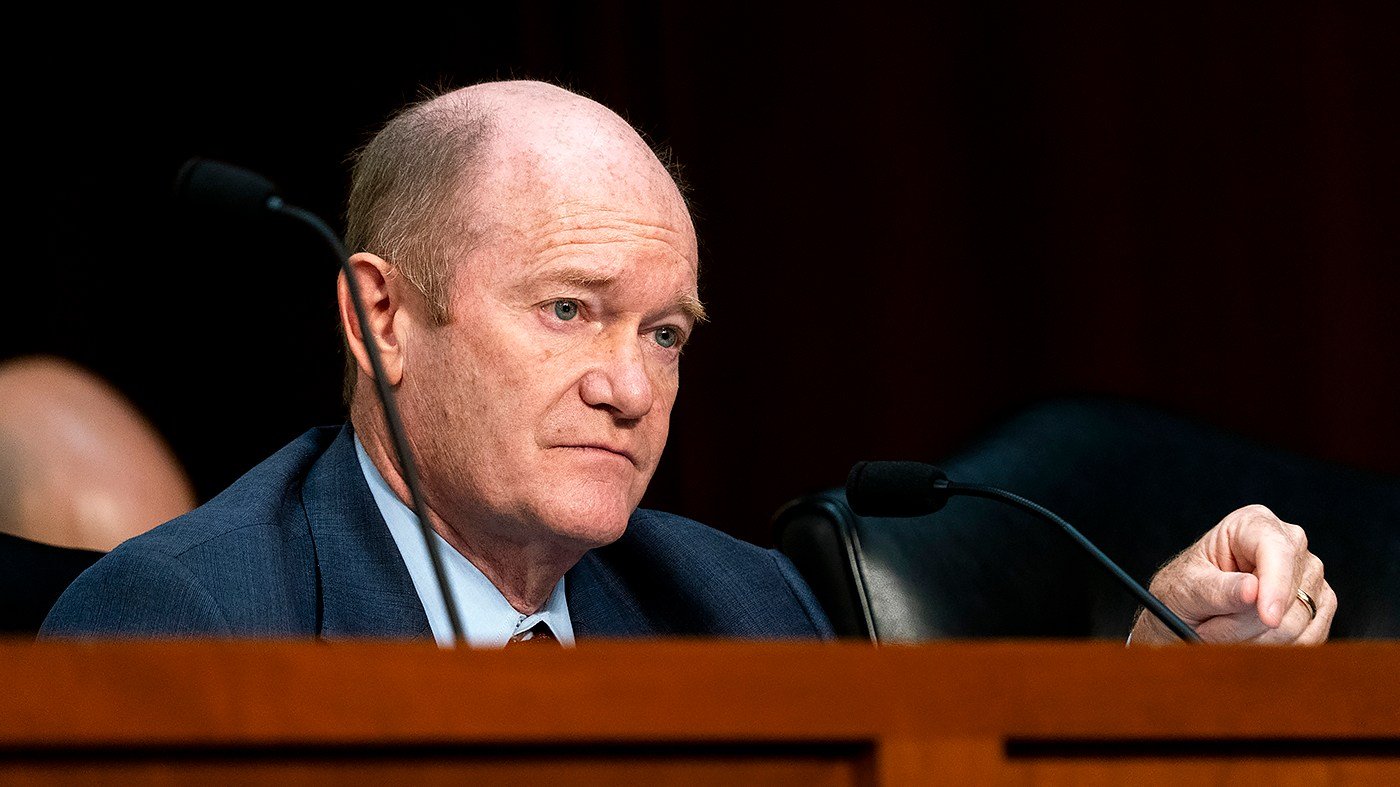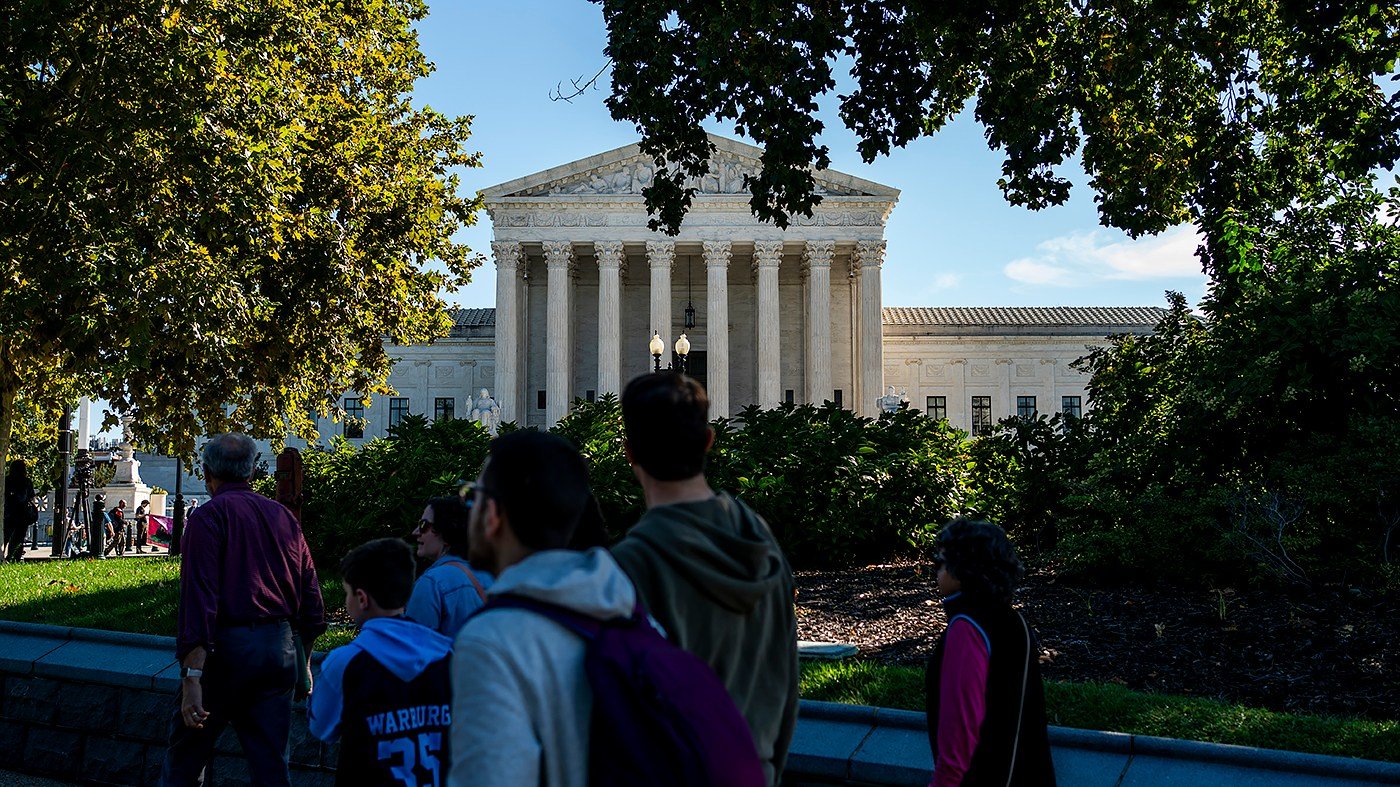
The Supreme Court on Monday seemed disinclined to permit a damages lawsuit to proceed against a federal prison nurse accused of ignoring an inmate's serious medical needs, but several justices indicated they were not ready to completely discard the landmark 1971 Bivens decision that allows such constitutional claims against federal officials.
Chief Justice John Roberts, early in the oral arguments, appeared receptive to a more limited approach advocated by the Trump administration—one that would not wipe out Bivens claims altogether. He noted that the Solicitor General had explicitly avoided asking the Court to overrule Bivens and possesses substantial expertise in this area, questioning why the Court should not follow the government's "cautious, incremental" strategy.

The case centers on Kekai Watanabe, a former federal prisoner who alleges he was denied a hospital visit after sustaining severe injuries during a July 2021 gang-related fight at a federal detention facility in Honolulu. Watanabe sued nurse Francis Nielsen, claiming Nielsen dismissed his complaints of back pain—later diagnosed as a fractured tailbone—and sought monetary damages. The suit was initially dismissed, but the Ninth U.S. Circuit Court of Appeals revived it.
This marks the latest occasion for the justices to revisit Bivens v. Six Unknown Named Agents of Federal Bureau of Narcotics, which permits suits against federal officers for constitutional violations. The Court has steadily narrowed the circumstances under which Bivens actions may be brought, extending it in the prison context only once: in the 1980 case Carlson v. Green, which allowed an Eighth Amendment claim after an inmate died from an asthma attack.
Watanabe's attorneys argued that his situation mirrors Carlson and that allowing such claims is essential to deter individual officers from unconstitutional conduct. Nielsen's legal team, however, contended that meaningful differences exist between the two cases and that the dispute could be addressed through alternative remedies established by Congress, such as the Federal Tort Claims Act.
"The Court may conclude that it's time to end the Bivens experiment and hand accountability for providing damages remedies back to Congress, where it belongs," said Lucas Walker, arguing for Nielsen. He further warned that restricting prisoner lawsuits without fully eliminating Bivens would sow confusion in lower courts.
Much of the justices' questioning zeroed in on Congress's role. Justice Brett Kavanaugh asked, "What do we do with the fact, in thinking about your overrule Carlson, overrule Bivens argument de facto doing so, that Congress has had 55 years since Bivens and 46 years since Carlson to do so and has not done so?"
The case has drawn attention amid broader debates over the Supreme Court's direction, including discussions about potential retirements of conservative justices. A decision is expected by early next summer.