The Trump administration on Monday unveiled the second tranche of its $50 billion rural health initiative, distributing $10 billion across all 50 states. The funds, part of the One Big Beautiful Act passed last year, are intended to improve healthcare access and outcomes in rural communities.
Health and Human Services Secretary Robert F. Kennedy Jr. framed the disbursement as a fulfillment of a historic commitment. “President Trump made a historic investment in rural America, and HHS is putting those resources to work in every state,” he said in a statement. “This next $10 billion will expand access to care, strengthen the rural health workforce, improve prevention, and help states build solutions that fit the needs of their own communities.”
The Rural Health Transformation Program, as outlined by the Centers for Medicare and Medicaid Services (CMS), will release funds annually through 2030, leaving $30 billion for future years. Each state receives a $100 million baseline, with the remaining half allocated based on rural population, state transformation plans, and policy actions.
CMS Administrator Dr. Mehmet Oz highlighted the urgency, noting that rural Americans face a life expectancy gap of three years compared to urban peers. “President Trump’s Rural Health Transformation Program is funding the historic investments necessary to close that gap,” he said. “States have already put these resources to work bringing better care closer to home.”
Texas and Alaska are the top recipients, with allocations exceeding $280 million and $270 million, respectively. However, an analysis by KFF, an independent health policy research organization, indicates that the five-year total of $50 billion falls far short of the estimated $137 billion in Medicaid cuts affecting rural areas over a decade.
The announcement comes as Democrats, having won control of both the House and Senate in the midterms, prepare to advance their healthcare agenda. Recent polling before the election showed a majority of respondents favored Democrats on healthcare issues. Representative Blunt Rochester has argued that veto threats shouldn't block Democrats' healthcare agenda, signaling a potential clash with the White House.
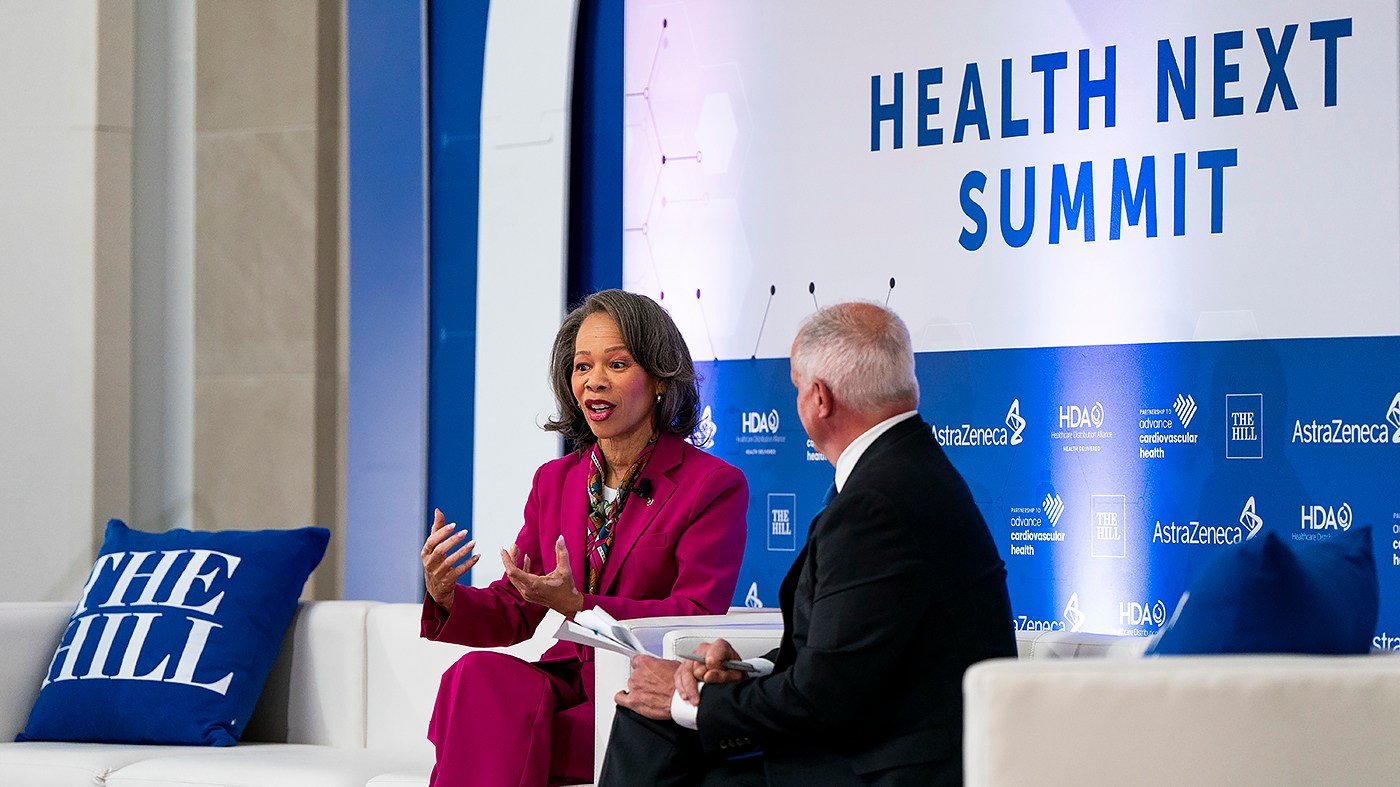
With the new Democratic majority, healthcare affordability is expected to be a central legislative focus. The administration’s rural health funds may face scrutiny as Democrats push for broader protections. The upcoming Health Next Summit 2026 is likely to explore these post-midterm policy battles.
Meanwhile, President Trump has signaled a hardline stance after the midterm rout, appointing Stephen Miller as chief of staff. This move suggests continued resistance to Democratic proposals, setting the stage for a contentious legislative session.
As the second installment rolls out, CMS will work with states to implement their plans. The remaining $30 billion is slated for annual disbursement, but the political landscape may influence how these funds are deployed and whether they are expanded.