Two prominent voices in Republican health policy say President Trump may not follow through on his promise to become “Mr. Veto” when it comes to bipartisan healthcare legislation, even with Democrats controlling both chambers of Congress.
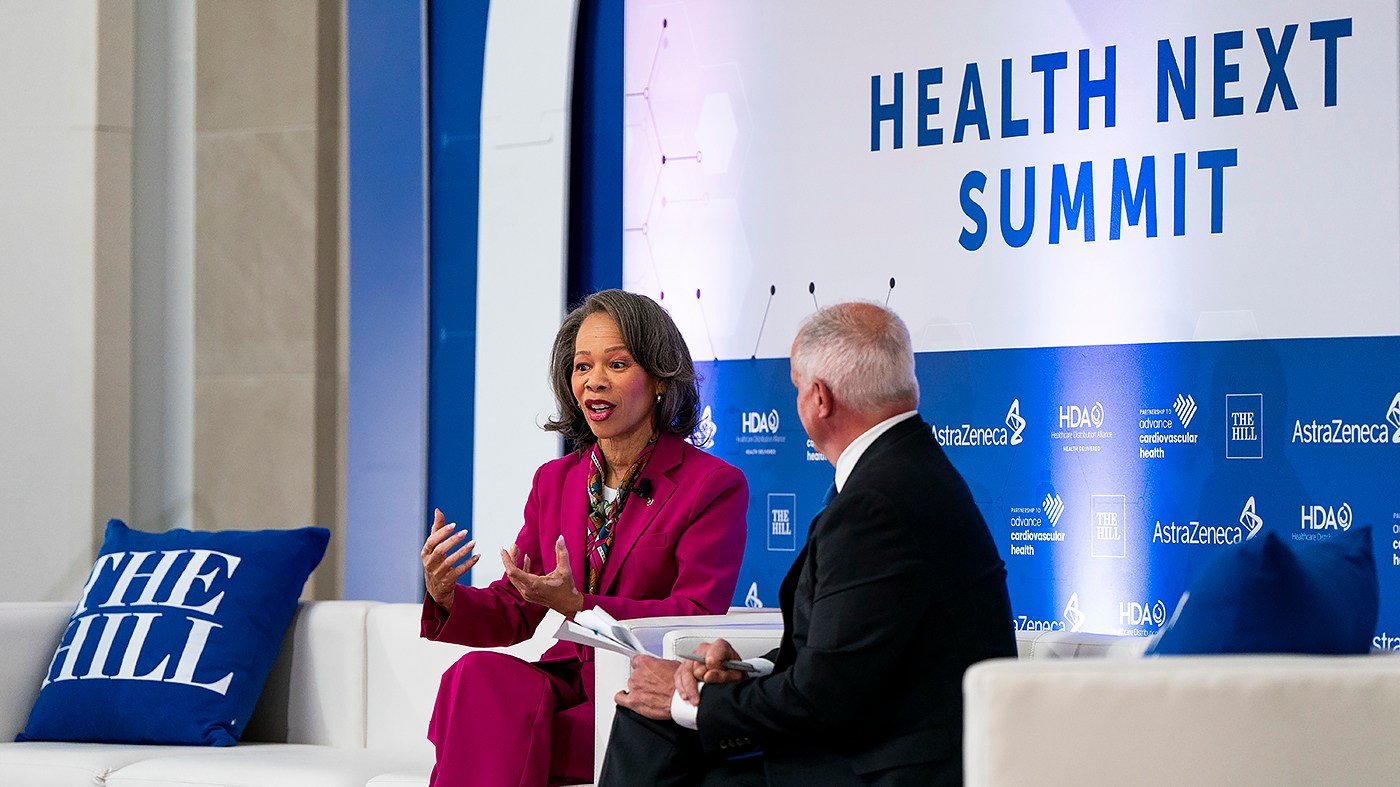
At The Hill’s Health Next Summit on Tuesday, former Indiana Rep. Larry Bucshon and former U.S. Surgeon General Jerome Adams offered a nuanced prediction: Trump’s deal-making instincts and his desire to cement a legacy in his final two years could override his earlier threats.

“I think he might,” Bucshon said, referring to the possibility that Trump would sign such legislation. “The president is transactional. He’s in the last two years of what he’ll consider potential legacy for his presidency, particularly on a couple of issues: healthcare, immigration, and a few others. So, if you get good bipartisan legislation that the American people support, the president will sign it.”
Trump had vowed to become “Mr. Veto” if Democrats took back Congress. On election night, as it became clear the GOP had lost both the House and Senate, he posted a photo on Truth Social of a cap emblazoned with the word “VETO.” His hardline posture has been reinforced by recent staff picks, including the elevation of immigration hawk Stephen Miller as chief of staff.
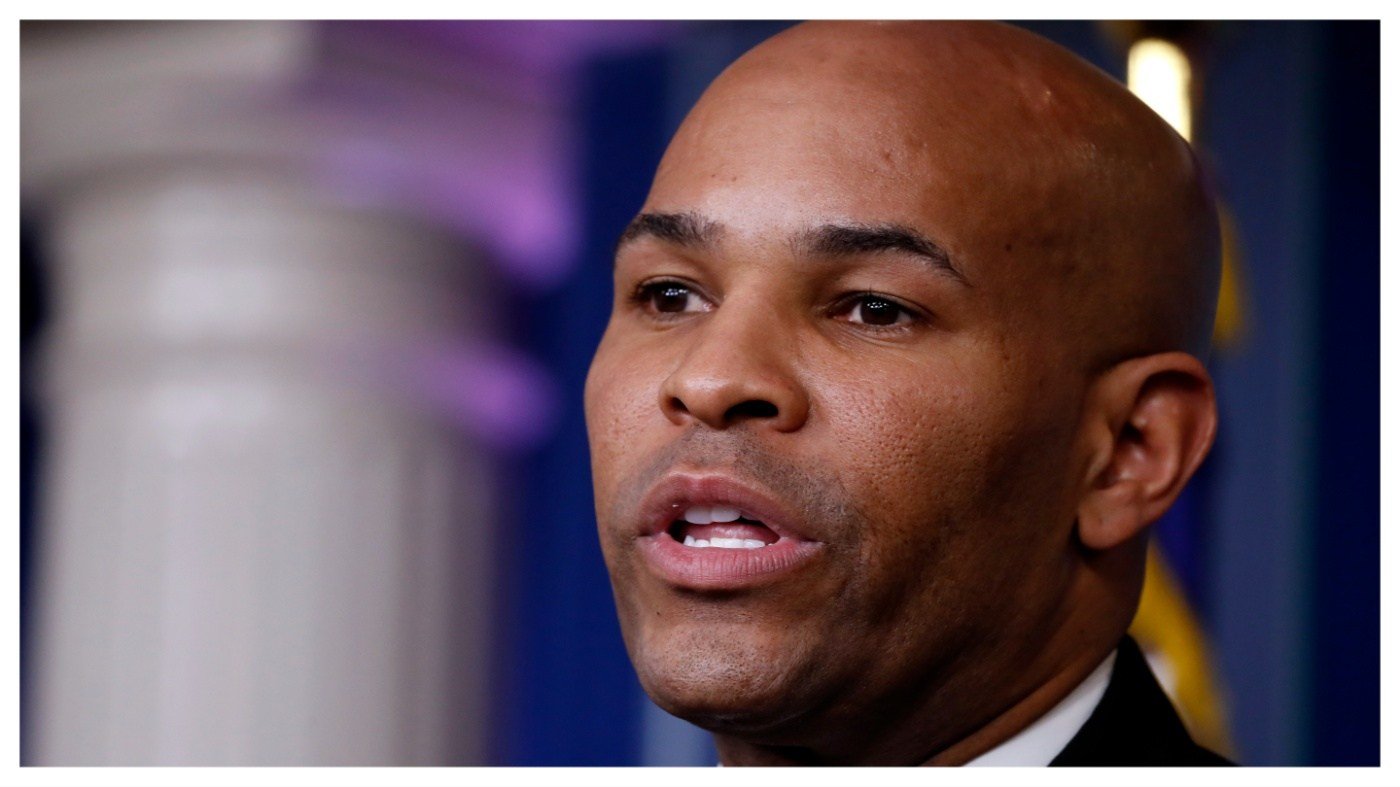
Adams, who served as surgeon general under Trump, agreed that the veto threat may be more bluster than reality. He pointed to Trump’s recent 60 Minutes interview, where the president acknowledged public frustration with him.
“The question actually is: Will this current iteration of Congress be able to come together and put forward bipartisan legislation on healthcare?” Adams said at the event, sponsored by AstraZeneca, the Healthcare Distribution Alliance, and the Partnership to Advance Cardiovascular Health.
Adams laid out a conditional path: if Democrats can unify their own factions—which hold “very different ideas” about healthcare policy—and then bring Republicans along, the resulting bill would likely reflect the will of the American people. In that scenario, he said, “I feel very confident that we have a good chance of it not getting vetoed.”
The comments come as Congress faces a busy agenda on healthcare, including drug pricing, telehealth flexibilities, and the future of the Affordable Care Act. Bucshon, a former heart surgeon, has long been a moderate voice on health issues, while Adams has remained an influential figure in public health circles.
Observers note that Trump’s willingness to sign bipartisan measures could also be influenced by his desire to avoid a government shutdown or to claim legislative wins. However, his recent moves suggest a more confrontational approach, and it remains unclear whether Democrats will seek his input on major bills.
For now, both Bucshon and Adams see a window for compromise. “If you get a good bipartisan bill, the president will sign it,” Bucshon reiterated, adding that the American people’s support would be a decisive factor.