House Minority Leader Hakeem Jeffries (D-N.Y.) threw his weight behind new legislative efforts to tighten U.S. restrictions on advanced AI chip exports to China, using the annual defense policy bill as the vehicle. The move comes as fallout from a scandal involving Nvidia CEO Jensen Huang's relationship with an alleged Chinese intelligence asset intensifies scrutiny on the semiconductor industry's ties to Beijing.
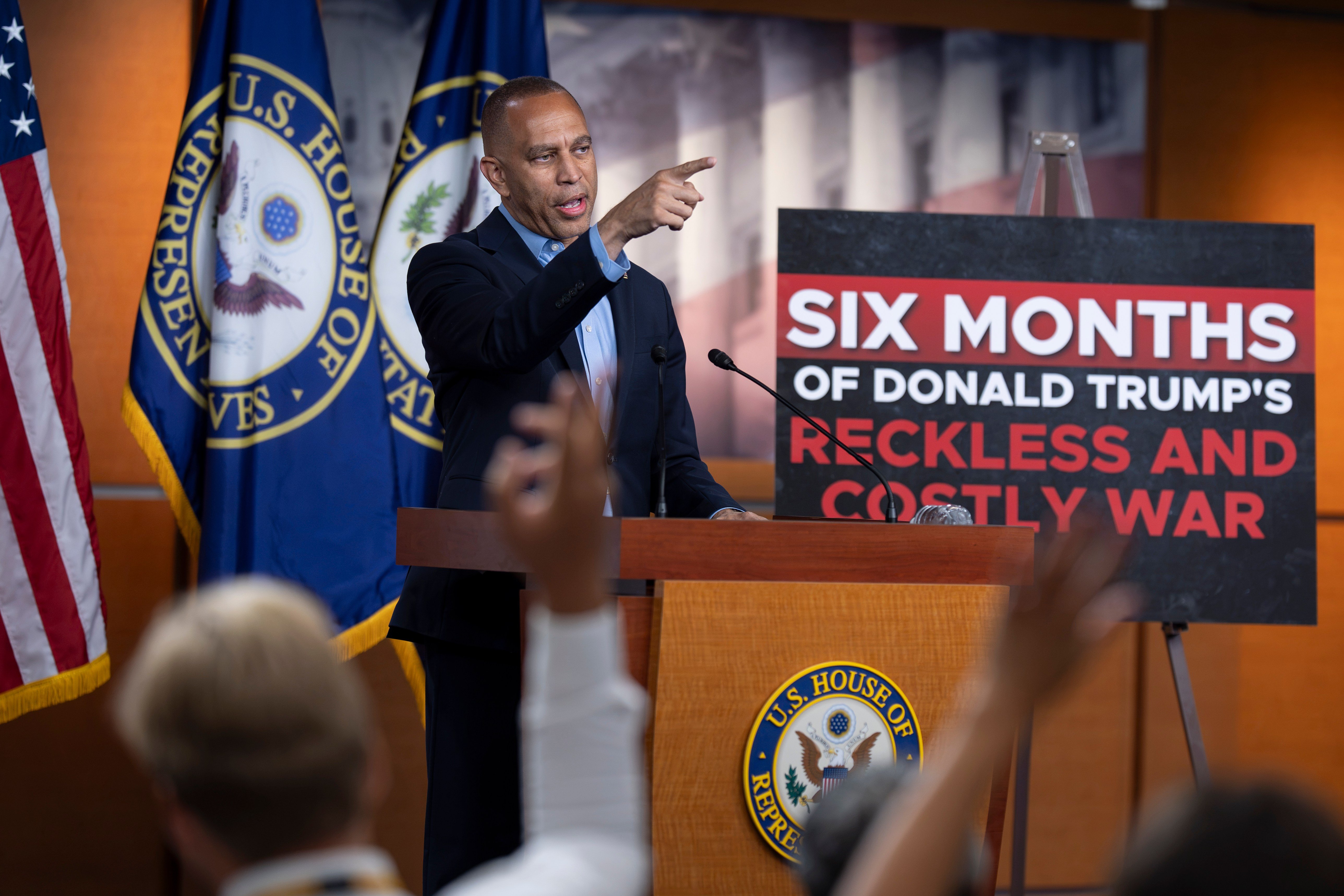
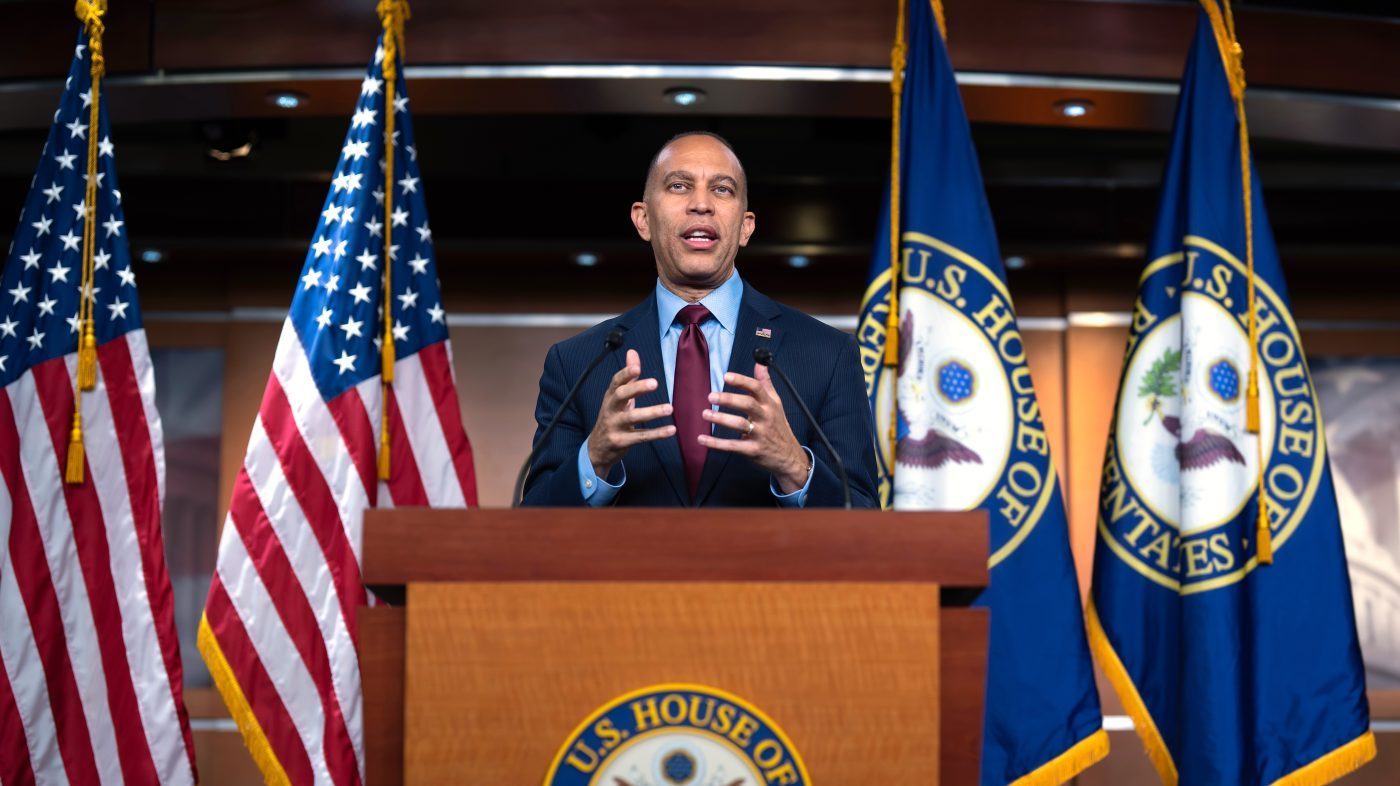
Speaking to reporters at the Capitol on Monday, Jeffries said he “strongly supports” the chip-related provisions included in the Senate’s version of the National Defense Authorization Act (NDAA). “We’re going to work hard to make sure that those provisions make it into the final version,” he stated, signaling that Democrats will push to preserve the measures during House-Senate negotiations.
The Senate NDAA package contains three targeted bills: the AI OVERWATCH Act, the MATCH Act, and the Chip Security Act. Together, they would empower Congress to block exports of cutting-edge AI chips to adversarial nations, prohibit the sale of essential chipmaking equipment to countries of concern, and mandate that restricted AI chips include a “location verification mechanism” to prevent unauthorized diversion. If enacted, these measures would significantly expand the government’s ability to monitor and control the flow of sensitive technology.
Jeffries’ endorsement adds political momentum to the push, especially given his potential ascent to Speaker in the next Congress. His support also aligns with a broader bipartisan effort to address national security vulnerabilities exposed by the Nvidia controversy. The company’s chips are foundational to the global AI boom, making them a prime target for export controls.
The scandal broke over the weekend when Huang disclosed that he had an affair with a woman whom U.S. intelligence officials concluded was a Chinese spy. Nvidia’s board announced Sunday that it would investigate the matter, focusing on the national and economic security implications. The revelation has prompted questions about whether Huang’s personal relationships could have compromised sensitive corporate or government information.
On Monday, Jeffries and several other lawmakers attended a classified briefing with top administration officials, including Director of National Intelligence Jay Clayton and CIA Director John Ratcliffe. While the session centered on Iran, Jeffries noted that the Nvidia issue came up. “What is clear, and the Nvidia issue did come up, [is] that we’re going to need a full briefing specifically as it relates to the Nvidia issue so we can all get to the bottom of what has happened and what the implications are in terms of America’s national security,” he said.
The developments have also sparked broader congressional interest. Senator Chris Coons has pressed for a formal inquiry into Huang’s ties, while the Nvidia board’s probe is already underway. The controversy has added urgency to legislative efforts to curb China’s access to advanced semiconductors, with some lawmakers arguing that existing controls are insufficient.
Jeffries’ backing of the NDAA provisions could shape the final bill, especially as House Republicans face their own leadership battles and a looming government shutdown. The minority leader’s influence will be critical in ensuring that the chip restrictions survive conference negotiations. His position also contrasts with some Republicans who have been more cautious about expanding export controls, though the national security angle has broad appeal.
As the NDAA moves forward, the intersection of technology, espionage, and politics will remain in the spotlight. The outcome will determine whether the United States tightens its grip on the most advanced AI chips or risks losing a competitive edge to Beijing. For now, Jeffries and his colleagues are signaling that national security concerns will take precedence.