President Trump has moved swiftly to consolidate his hardline agenda in the wake of the Republican Party's decisive midterm defeat, elevating immigration hawk Stephen Miller to the role of White House chief of staff and signaling a combative posture toward the incoming Democratic Congress.
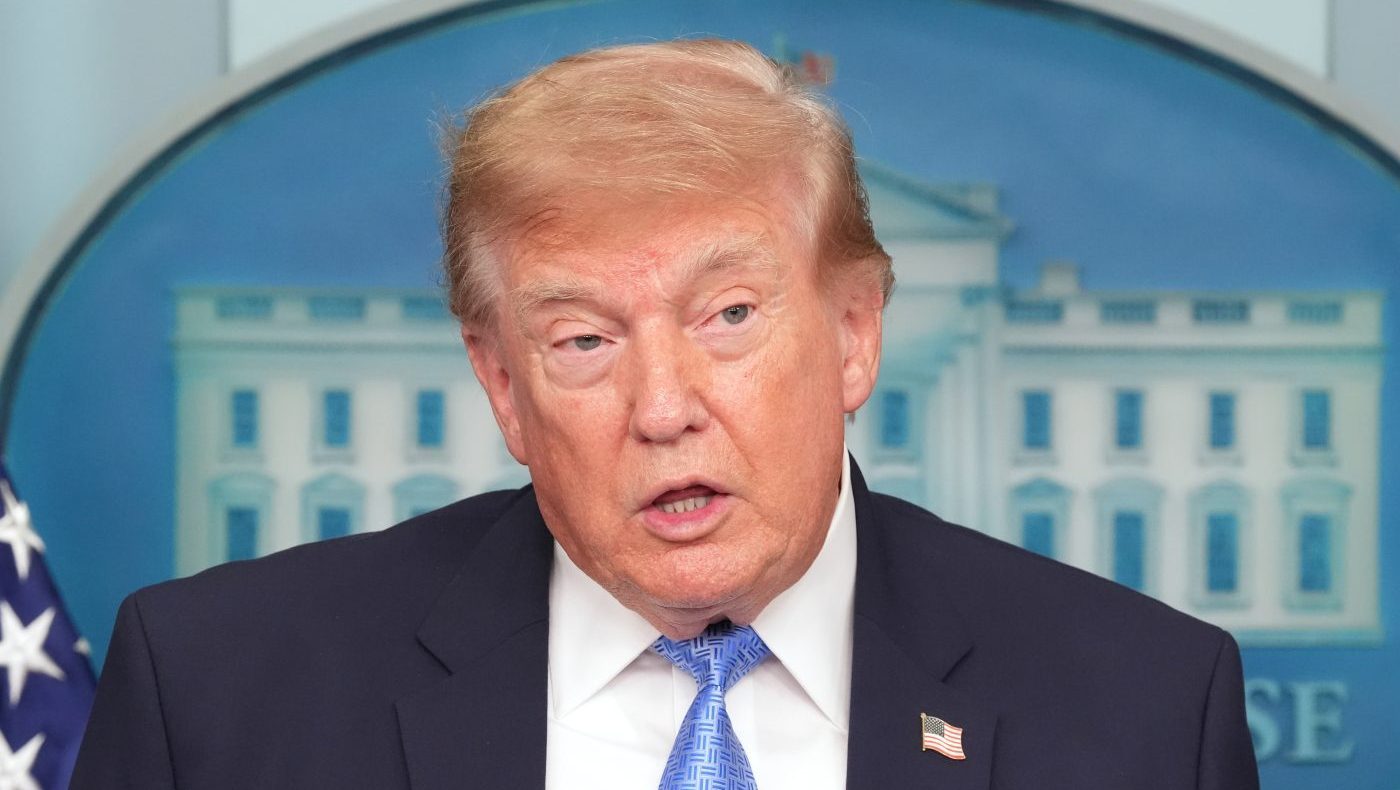
In a 60 Minutes interview broadcast Sunday, Trump conceded that some of his immigration enforcement actions had been perceived as “too tough,” but by Monday afternoon, he appeared to walk back that admission during a hastily arranged White House briefing. “We have a very strong deportation policy,” he insisted. “My policy hasn’t changed.”
The appointment of Miller, the architect of the administration’s restrictive immigration measures, underscores Trump’s determination to stay the course. Critics see the move as a clear signal that the president has no intention of moderating his approach, despite the electoral rebuke. “It’s just so telling once again that Trump has never actually cared about the Republican Party,” said Olivia Troye, a former aide to Vice President Mike Pence who has become a vocal Trump critic. “It’s very striking that his takeaway is to double down on an agenda that is clearly unpopular with the American people.”
Trump loyalists, however, defend the decision. Joe DiGenova, the former U.S. attorney for the District of Columbia, praised Miller as “a very bright guy, very smart,” and argued that the president should have the chief of staff he wants. DiGenova attributed the GOP’s losses to a Republican Congress that failed to deliver on MAGA priorities and to misplaced optimism about Iran negotiations. He suggested Trump would need to “trim his sails” while pushing forward, predicting a “veto president” over the next two years.
The president also sent mixed signals on cooperation. In the same 60 Minutes interview, he claimed he could curb his penchant for insulting Democrats to work with them, but then declared, “I do hate some of my enemies, and I always will,” singling out figures like former FBI Director James Comey and Rep. Nancy Pelosi. On social media, he began questioning the integrity of the election results, writing, “Does anybody really believe that this ‘Election’ was honest. How could the Polls be so wrong???”
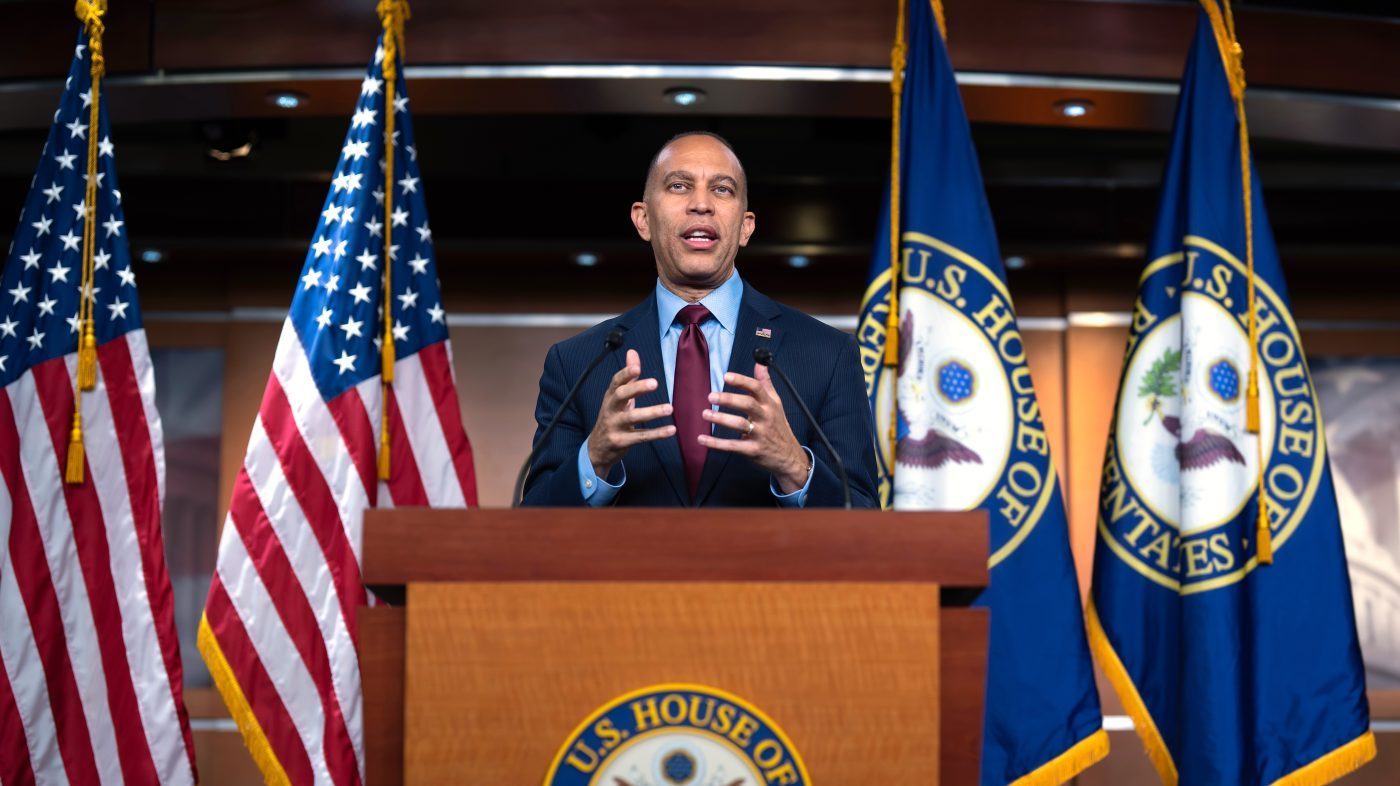
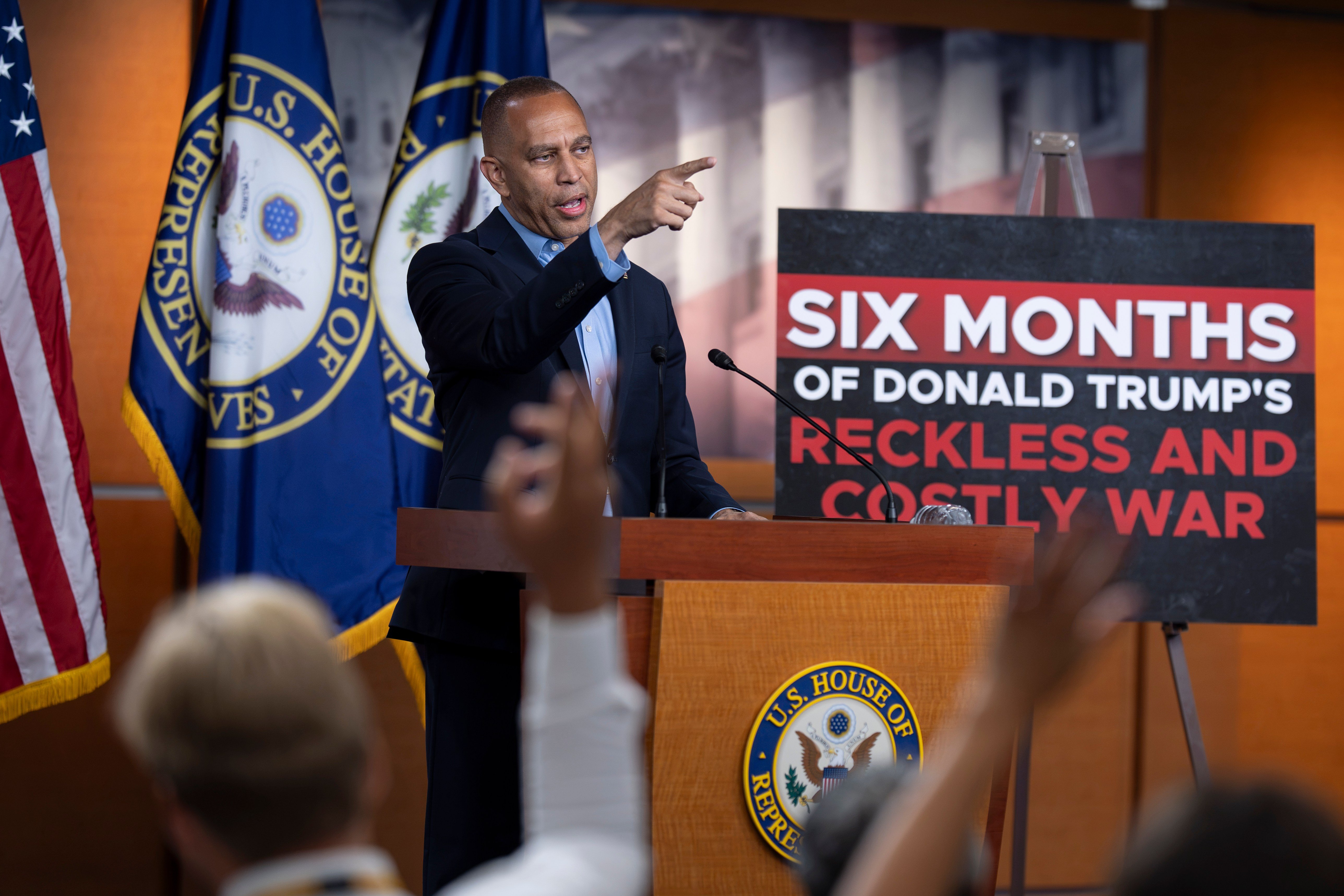
Democrats, emboldened by their victory, are gearing up for oversight battles. Rep. Robert Garcia (D-Calif.), incoming chair of the House Oversight Committee, posted simply “lawyer up” on election night. House Minority Leader Hakeem Jeffries (D-N.Y.), likely to become Speaker, was blunt about Miller: “Stephen Miller is a stone-cold racist. His track record speaks for itself, and I’ve got zero interest in working with that kind of individual.”
Few Republicans have publicly criticized the Miller pick, but Rep. Marlin Stutzman (R-Ind.) broke ranks, telling CNN’s Inside Politics that “the decision to elect Stephen Miller is a mistake. He’s not liked out here in the Midwest by people, they don’t like his tone.” Others in the party are taking a more philosophical view. “He’s 80 years old, and that isn’t when people generally reinvent themselves,” GOP strategist Alex Conant noted dryly.
Conant argued that the midterm defeat was the result of multiple factors, not a single issue. “This was a referendum on Donald Trump, and he is not very popular right now,” he said, citing inflation, the unpopular war, and corruption concerns in exit polls. “I think people with agendas tried to make the election about their one thing, but the truth is, it was many things.”
As Trump prepares for a divided government, his foreign policy remains murky, particularly regarding Iran. His remarks at the Monday briefing were vague, offering little clarity on next steps. Meanwhile, his elevation of Miller is widely seen as a deliberate provocation, setting the stage for a confrontational two years. Some Republicans, like strategist Brad Blakeman, whose brother lost a gubernatorial race, are hoping Democrats overreach, but the immediate path appears to be one of entrenched conflict.