Senate Republicans abruptly postponed their internal leadership elections on Tuesday after a bloc of conservatives pressed Majority Leader John Thune to lay out a concrete strategy for the remaining weeks of the lame-duck session and the new Congress, when Democrats will control both chambers.
The conference met behind closed doors in the Old Senate Chamber for nearly two hours, emerging without a vote. Senator Ron Johnson (R-Wis.) told reporters that the discussion was ongoing and that senators would reconvene at 2 p.m. to continue.
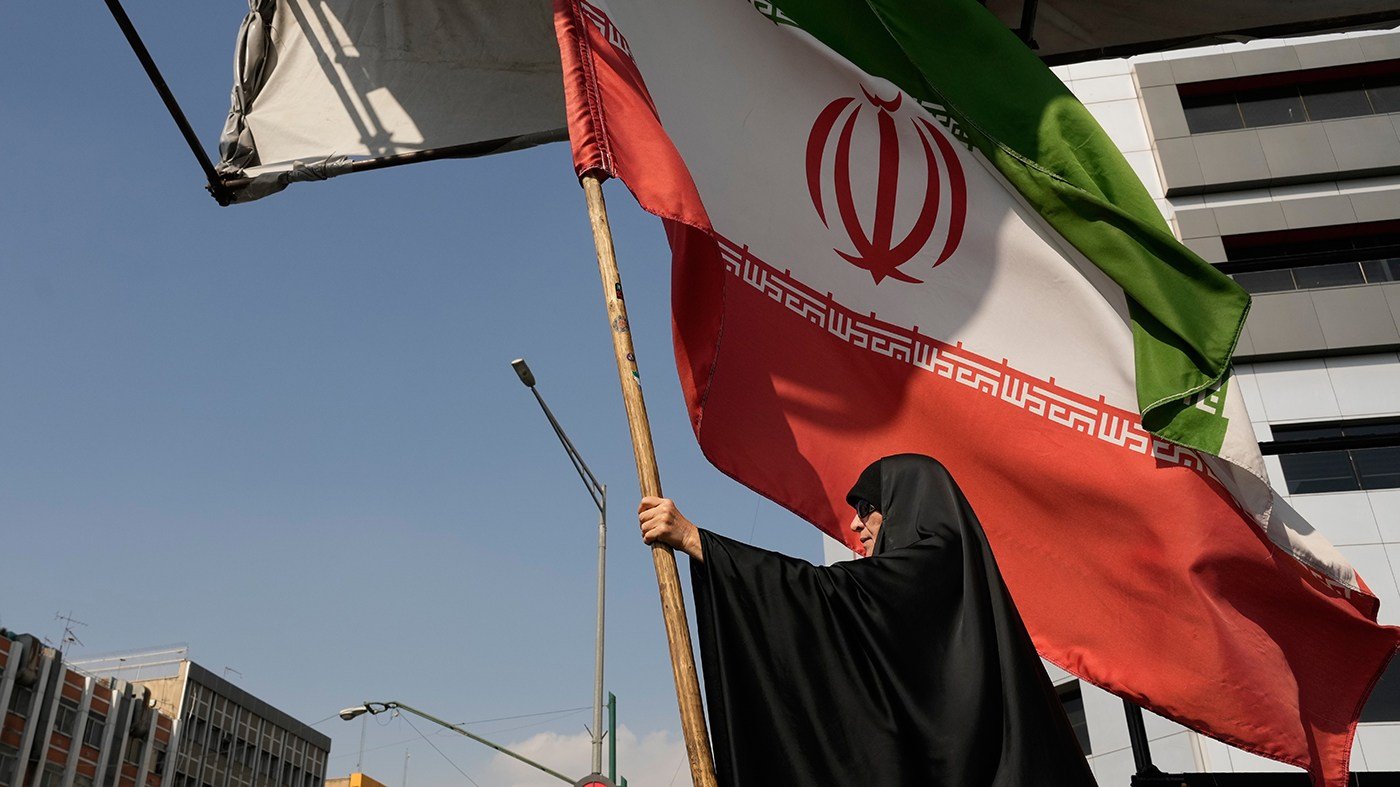
“We’re still discussing. We ran out of time,” Johnson said, signaling that the leadership contest is far from settled.
The delay comes after Republicans lost at least seven seats in last week’s election, leaving the party reeling and rank-and-file members anxious about the party’s direction. Thune’s allies had hoped to lock in his re-election as leader quickly, but a faction led by Senator Rick Scott (R-Fla.), chairman of the Senate Steering Committee, is demanding more than a rubber stamp.
Scott, who spoke during the private session, argued that the conference should adopt a plan before choosing its leadership team. Drawing on his background as a businessman, he said: “I’m a business guy. I started a lot of businesses, I built a lot of businesses, I turned around a lot of businesses. The first thing is you have a plan of what you want to accomplish then you put together a management team.”
He added, “I want to hear a plan. I’ve been up here eight years, I’ve never heard a plan in a year. We have 55 days until the Democrats take over. I said so I want to know what we’re going to do between now and then to get stuff done.”
Scott and his allies are pressing Thune to outline how he intends to use the remaining days of the Republican majority to advance conservative priorities, especially judicial nominations, spending bills, and other must-pass legislation. They also want assurances about how the GOP will operate as a minority in the next Congress, including how it will counter Democratic initiatives and prepare for the 2028 elections.
The standoff reflects broader tensions within the conference. Some conservatives have been skeptical of Thune’s leadership style, and this is not the first time his position has been challenged. A conservative revolt has been simmering for months, and the election losses have only intensified calls for a change in direction.
One senator who spoke on condition of anonymity described the meeting as a “lively discussion” and said colleagues want to hear “a plan” from Thune before they commit their votes. The senator added that no decision has been made on whether the leadership vote will happen later Tuesday.
The internal GOP turmoil comes as the party also faces a leadership battle in the House, where Republicans are grappling with their own minority status. The parallel contests underscore the party’s broader identity crisis after a disappointing election cycle.
Thune’s allies remain confident that he will ultimately prevail, but they acknowledge that the delay is a sign of the conference’s unease. “We want to give members the time they need to voice their views,” one leadership aide said, though the aide conceded that the longer the process drags on, the more it could weaken Thune’s authority.
For now, all eyes are on the 2 p.m. reconvening. Whether the vote takes place or is pushed further, the outcome will shape the GOP’s strategy for the next two years—and set the stage for the party’s comeback efforts.