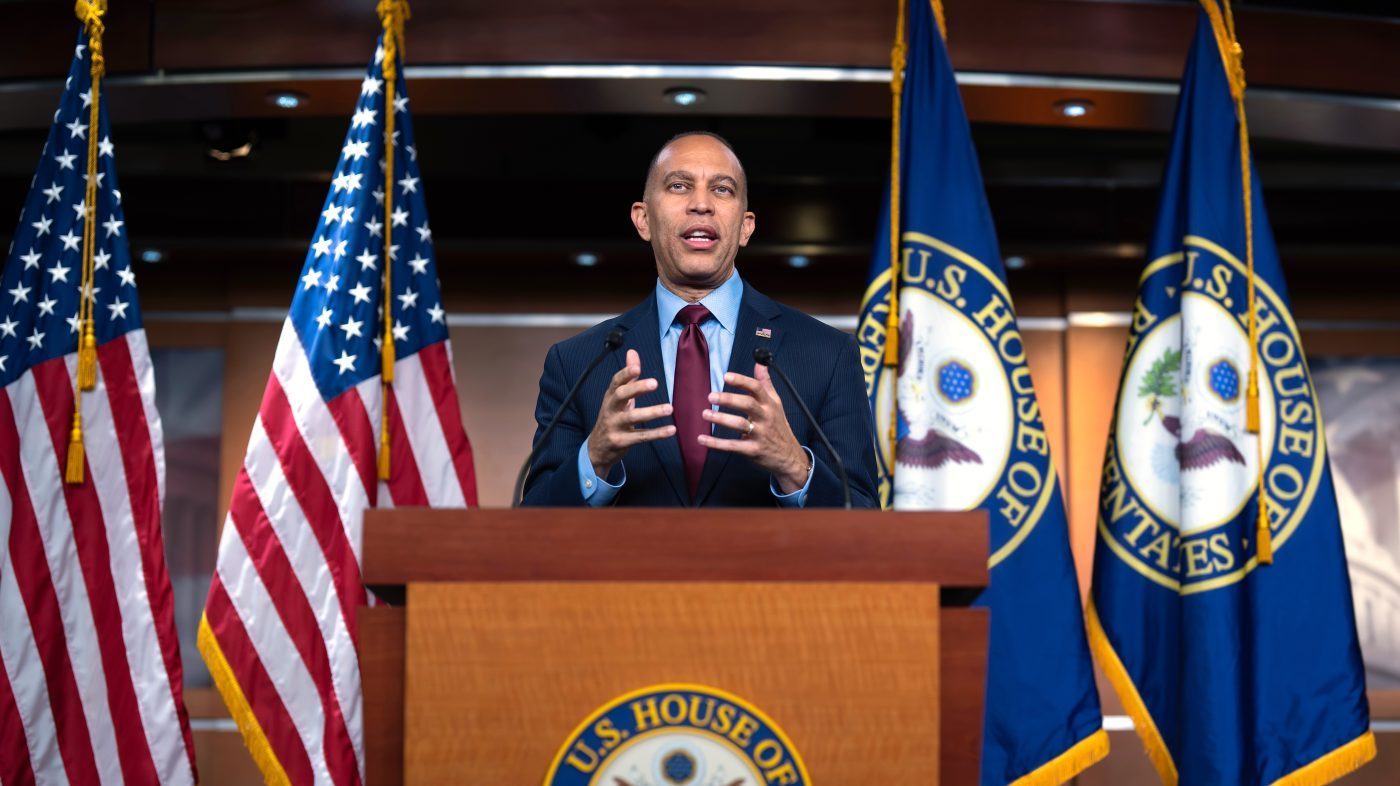
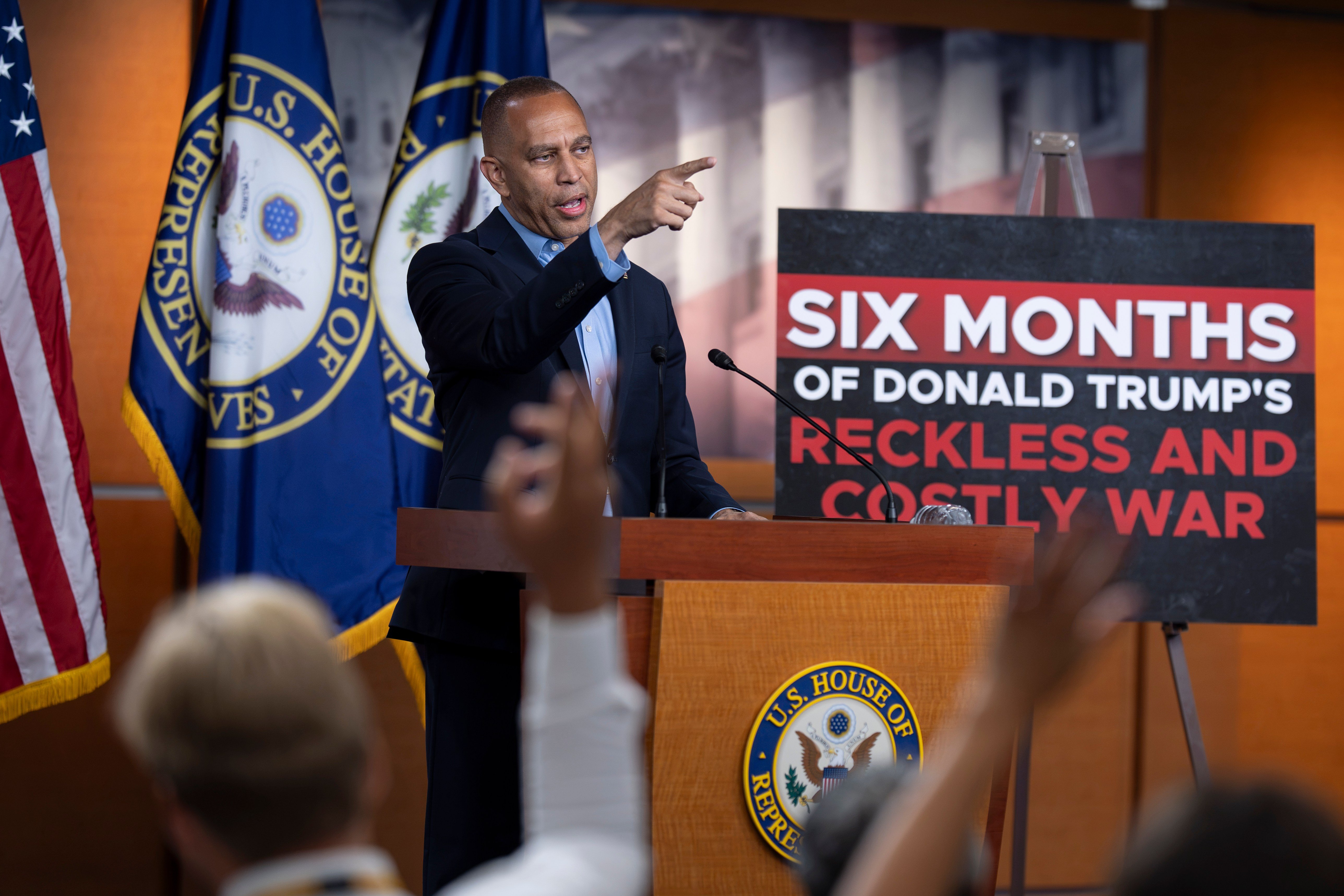
House Republicans are bracing for a pivotal leadership election on Tuesday, as the conference grapples with the fallout from a bruising midterm cycle that cost them their majority. The contests, which pit establishment figures against conservative insurgents, will determine the party's immediate strategy and its path back to power in 2028.
The most closely watched race is for minority leader, where House Judiciary Committee Chair Jim Jordan of Ohio is challenging House Majority Leader Steve Scalise of Louisiana. Jordan, a co-founder of the House Freedom Caucus, argues that Republicans have been rudderless, saying in a letter to colleagues that the party has "operated without a clear plan to survive the hour or the day in front of us." Scalise, a veteran lawmaker known for coalition-building, counters that his experience is exactly what the conference needs to heal and rebuild.
The Jordan-Scalise matchup revives a bitter rivalry from 2023, when Scalise narrowly won the Republican nomination for Speaker in a secret ballot but withdrew after failing to secure enough support for a floor vote. Jordan then became the nominee but also fell short. The upcoming contest is seen as a proxy for broader ideological tensions within the conference.
Other leadership races are also drawing attention. Republican Study Committee Chair August Pfluger of Texas is challenging GOP Whip Tom Emmer of Minnesota for the number two spot, while Reps. Greg Steube of Florida and Erin Houchin of Indiana are vying to unseat Conference Chair Lisa McClain of Michigan. These challengers argue that fresh leadership is essential to regain voter trust, pointing to the party's poor performance at the ballot box as evidence that the current leadership's messaging has failed.
Rep. Warren Davidson of Ohio has been vocal about the need for change, writing on social media that Republican leaders "repeatedly told Americans the economy was doing just fine" while families struggled with rising costs. He praised outgoing Speaker Mike Johnson for stepping aside with dignity, adding, "We cannot expect different results from the same leaders."
President Trump has said he will stay out of the minority leader contest, a notable departure from his usual intervention in party affairs. This hands-off approach comes after several Trump-endorsed candidates lost their races, raising questions about his influence. Meanwhile, the conservative wing of the party is pushing for a more combative posture, with one GOP lawmaker telling The Hill that "we're going into a wartime situation... and Jim Jordan knows how to fight."
The infighting has prompted calls to delay the leadership vote. House Ways and Means Committee Chair Jason Smith of Missouri argued that the conference needs time to analyze its losses and address internal rules that have allowed members to vote against the party line. "Failing to address these issues before choosing someone new to lead our Conference is doing a disservice to whoever we choose as Republican Leader," he wrote.
The outcome of these elections will not only set the tone for the next two years but also signal whether Republicans intend to double down on hardline tactics or adopt a more conciliatory approach to win back moderate voters. As the party navigates this transition, the decisions made this week could shape its identity for years to come.