The midterm elections delivered a resounding message: voters are prioritizing inclusion and rejecting race-based political strategies. As the dust settles, the Democratic Party celebrates a blue wave, but the true victor may be the diverse slate of candidates who shattered long-standing barriers.
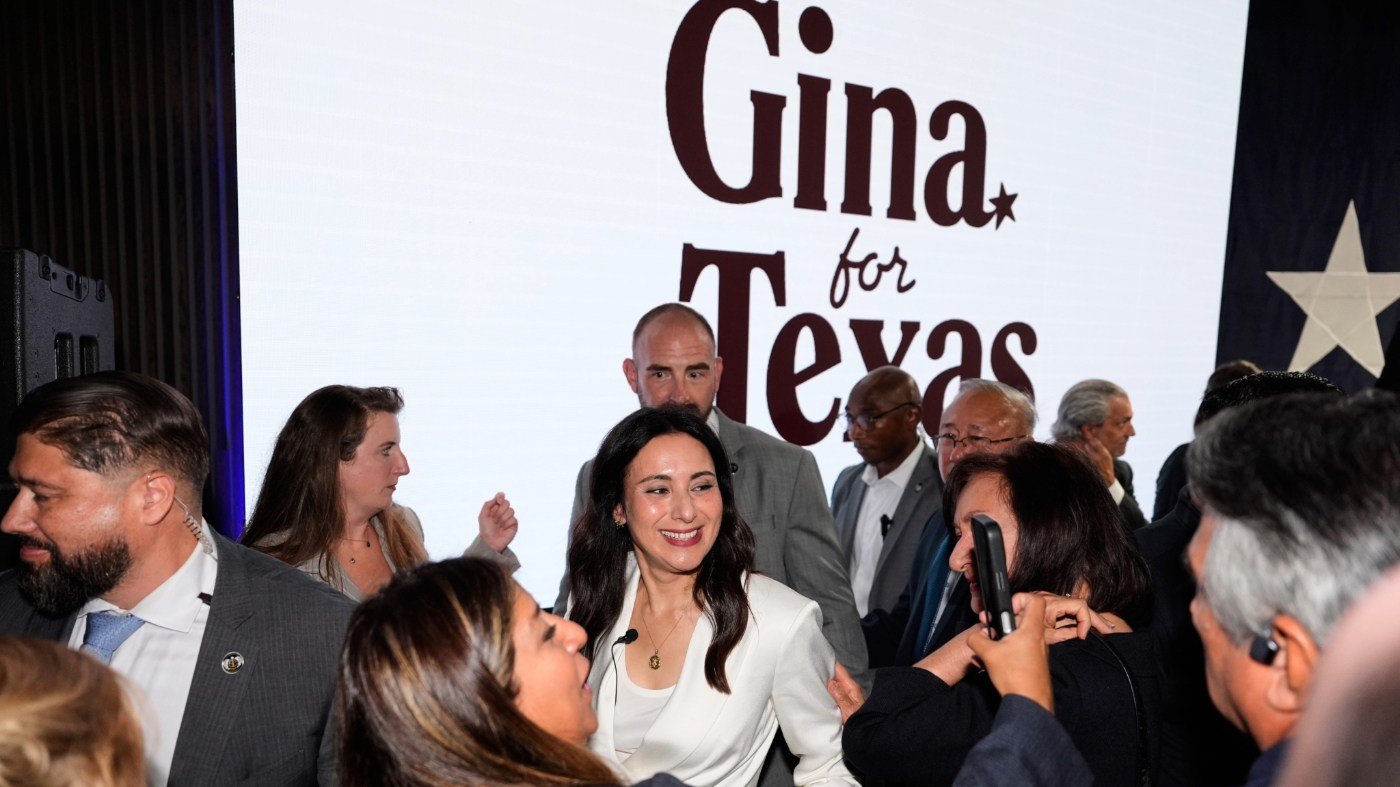
In Texas, voters elected the state's first Hispanic woman governor, while New Mexico made history by choosing the first Native American woman governor in U.S. history. Minnesota sent the first Native American woman to the Senate, and New Hampshire elected its first openly gay man to the upper house. In Georgia, a state once synonymous with Jim Crow, Keisha Lance Bottoms became the first African-American woman governor in the nation's history.
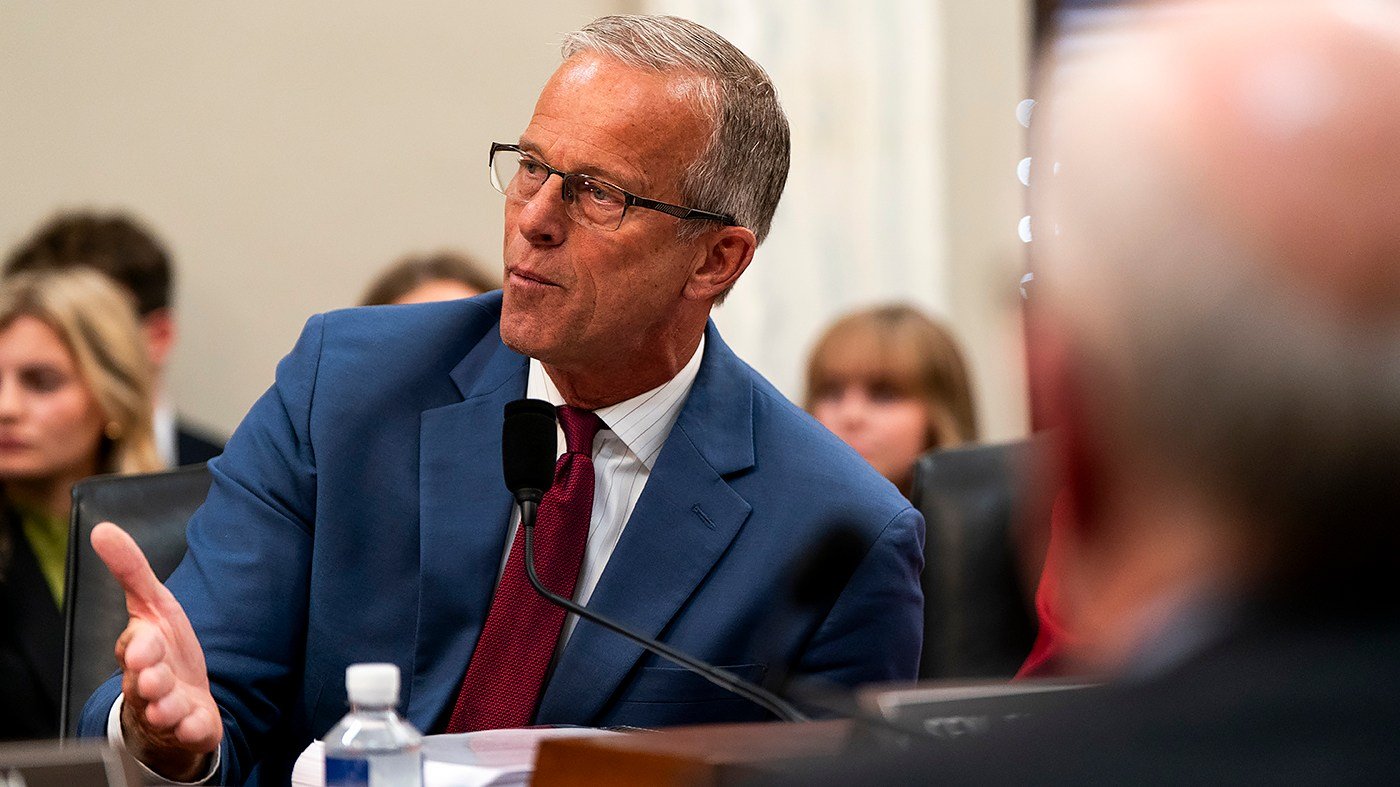
Perhaps the most striking testament to this shift came in Michigan, where Abdul El-Sayed defeated Mike Rogers in a fiercely contested Senate race. Despite Republicans spending millions on attack ads and the president labeling him a “jihadist,” El-Sayed won by roughly seven points. Down-ballot, Nabeela Syed flipped a Republican seat in Illinois to become the first Muslim woman elected to the state Senate.
These victories were not merely symbolic. They reflect a voter base that rejected identity politics in favor of substantive issues. Republicans had crafted gerrymandered maps designed to dilute African-American votes and bolster Hispanic representation, but the strategy backfired spectacularly. In Texas, the GOP lost four of five seats the new map was meant to secure. Nationwide, Democrats made significant gains across every demographic, proving that the “war on woke” no longer resonates with voters.
Yet, the progress is incomplete. Women and minorities remain underrepresented in Congress and statehouses. While a record number of women won gubernatorial races, the total will still be just 17 out of 50. The midterms also underscore a generational divide: younger voters, frustrated with geriatric leadership, are demanding change. The current Congress averages two decades older than the public, and three-quarters of senators are baby boomers or from the silent generation.
For Democrats, the results are a double-edged sword. Progressives point to victories like El-Sayed's, the reelection of Alexandria Ocasio-Cortez and Rashida Tlaib, and Nithya Raman's mayoral win in Los Angeles as proof that left-wing candidates are electable. Establishment Democrats counter with wins by overtly Christian candidates in Kansas and Texas. The truth, as the midterms reveal, is that no single national formula for electability exists.
Local issues dominated. Rev. Adam Hamilton won his Kansas Senate race by focusing on affordability, appealing to farmers hit by high diesel costs and suburbanites struggling with inflation. In three flipped Senate seats, the winners had never held elected office, underscoring voters' fatigue with career politicians.
The midterms also exposed the GOP's coalition troubles. As one analysis noted, the party's electoral coalition has totally collapsed after losing 27 House seats. Meanwhile, Gen Z men abandoned the GOP, fueling the Democratic wave. The party's diversity problem is evident: voters wanted inclusion, not exclusion.
Despite the Democratic gains, the party remains unpopular, with an average favorability rating of just 39 percent, barely above the GOP's 38 percent. This suggests the midterms were less an endorsement of Democrats and more a demand for effective governance. The DNC's 57-state strategy reshaped the electoral map, but the underlying discontent persists.
As the nation celebrates these historic firsts, the message is clear: voters are tired of politics as usual and are ready for leaders who reflect the country's diversity. The road ahead remains challenging, but the midterms have set a new precedent for inclusion in American politics.