The post-election analysis began before all votes were tallied. Democrats celebrated what they see as the end of the Trump era, while Republicans started a bitter internal debate over whether their president cost them control of Congress.
But beyond the blue wave, the real winner was inclusion. Voters across the country broke barriers, electing a record number of women, people of color, and LGBTQ candidates to office.
Historic Firsts Across the Country
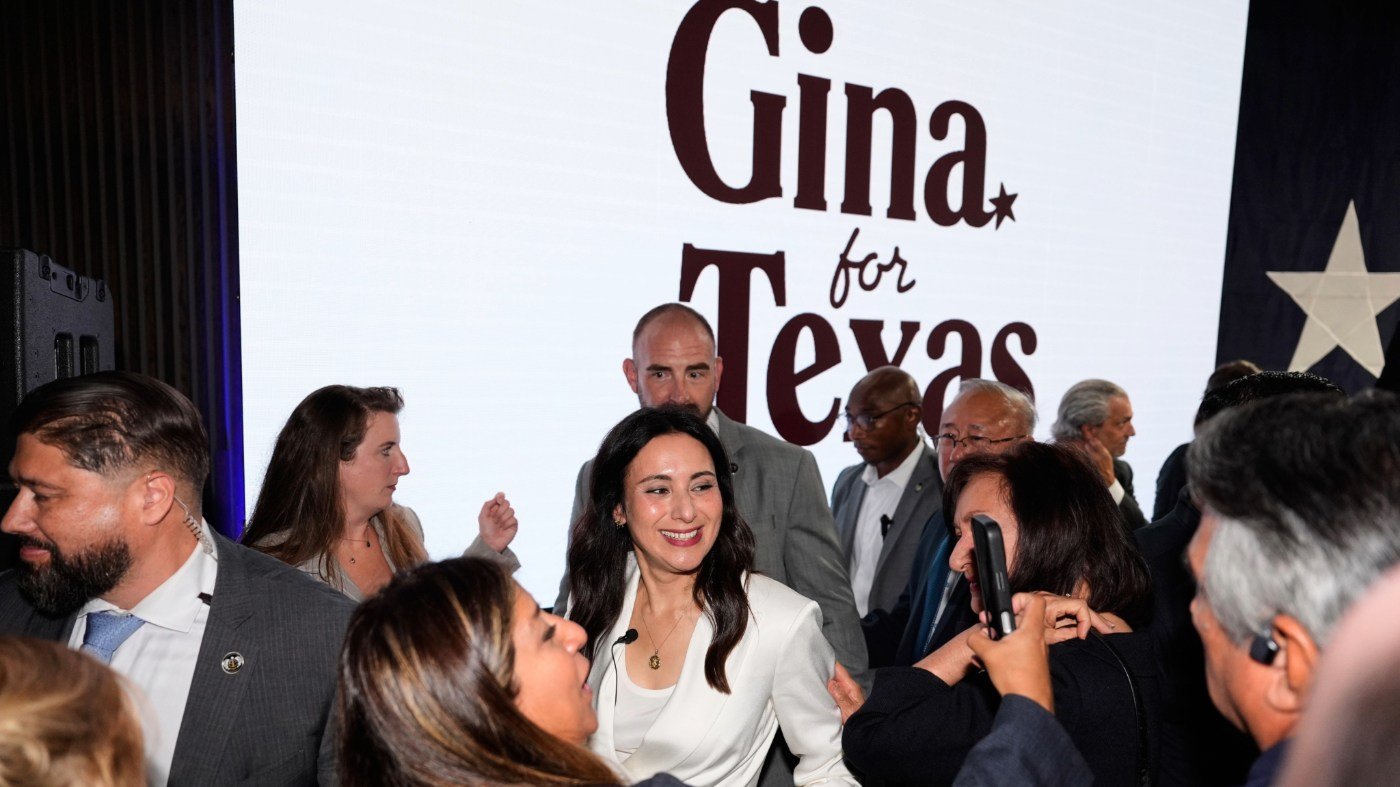
In Texas, voters chose the first Hispanic woman governor. New Mexico elected the first Native American woman governor in U.S. history. Minnesota sent the first Native American woman to the Senate, and New Hampshire elected the first openly gay man to the upper chamber. In Georgia, a state once defined by Jim Crow, Keisha Lance Bottoms became the first African-American woman governor in American history.
Perhaps the most striking victory came in Michigan, where Abdul El-Sayed defeated Republican Mike Rogers by about 7 points despite a brutal campaign that included the president calling him a "jihadist." El-Sayed's win was a clear rebuke of the politics of fear.
Down-ballot races also made history. Nabeela Syed flipped a Republican seat to become the first Muslim woman elected to the Illinois Senate. These wins reflect a broader trend: voters are rejecting identity-based politics and focusing on issues.
Gerrymandering Backfires
Republicans had designed gerrymandered maps to dilute minority votes, but the strategy failed. In Texas, the GOP lost four of five seats the new map was meant to protect. Democrats made gains across every demographic, signaling that the "war on woke" no longer resonates with voters.
Still, progress remains incomplete. Women and minorities are still underrepresented in Congress and statehouses. While a record number of women won gubernatorial races, the total will reach just 17 of 50 states.
What the Results Mean for Democrats
The midterms left Democrats with a mixed message. Progressives point to El-Sayed's victory, the reelection of Alexandria Ocasio-Cortez and Rashida Tlaib, and Nithya Raman's mayoral win in Los Angeles as proof that left-wing candidates can win. But establishment Democrats counter that overtly Christian candidates won Senate races in Kansas and Texas.
The truth is that no single national formula works. All politics are local. In Kansas, Reverend Adam Hamilton won on a platform of affordability, appealing to farmers and suburbanites struggling with high costs. In South Carolina, Annie Andrews, a political newcomer, flipped a Senate seat.
Voters on both sides are tired of politics as usual. Three of the Senate seats Democrats flipped went to candidates who had never held elected office. Younger voters, in particular, are demanding generational change. The current Congress is older than the general public, with three out of four senators being baby boomers or from the silent generation.
Challenges Ahead
Despite the victories, Democrats remain deeply unpopular. Their favorability rating stands at just 39 percent, barely above the Republicans' 38 percent. The midterms were less an endorsement of the party and more a demand for better governance.
As the dust settles, both parties face internal battles over their future direction. But the diversity of last week's winners is a milestone worth celebrating.