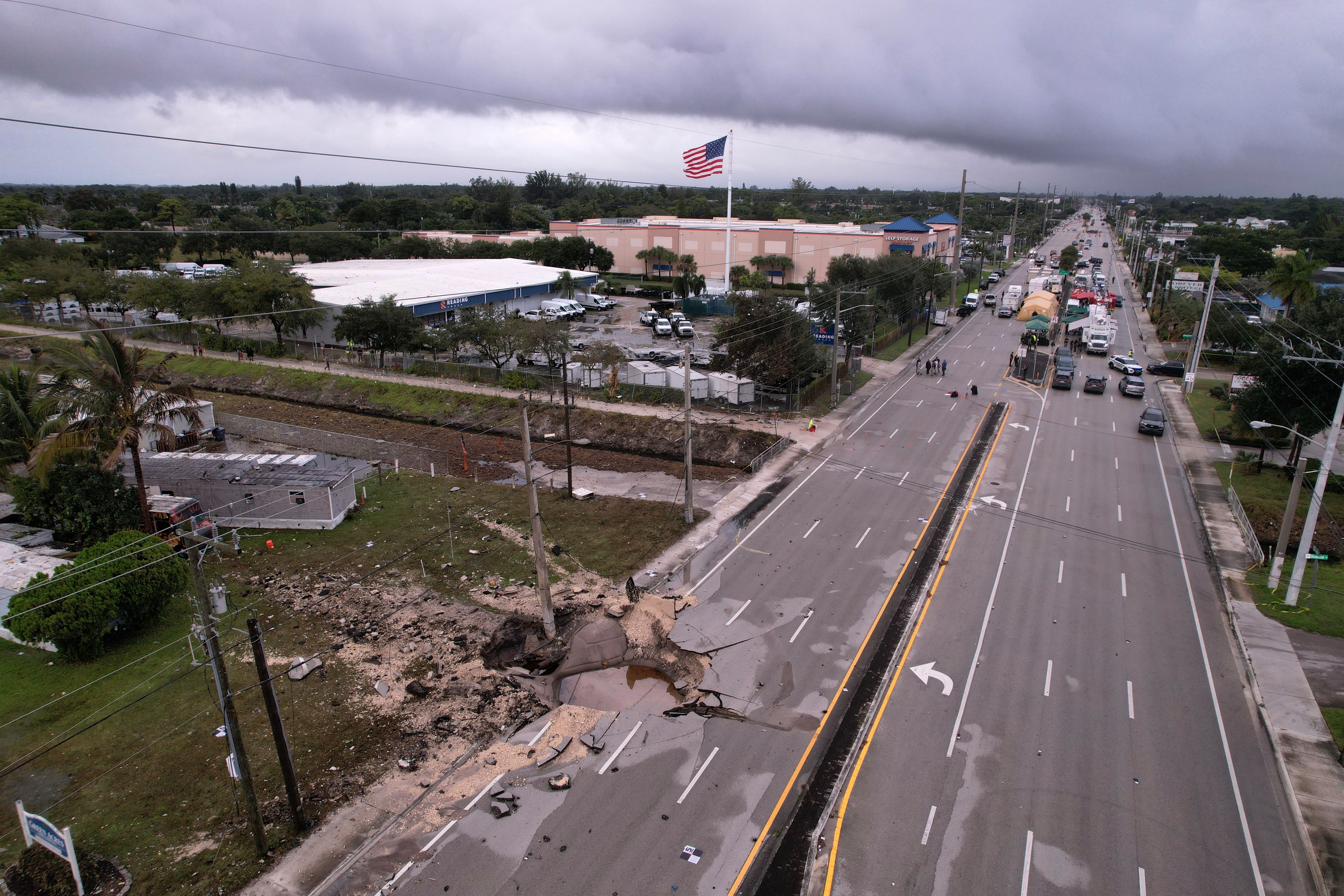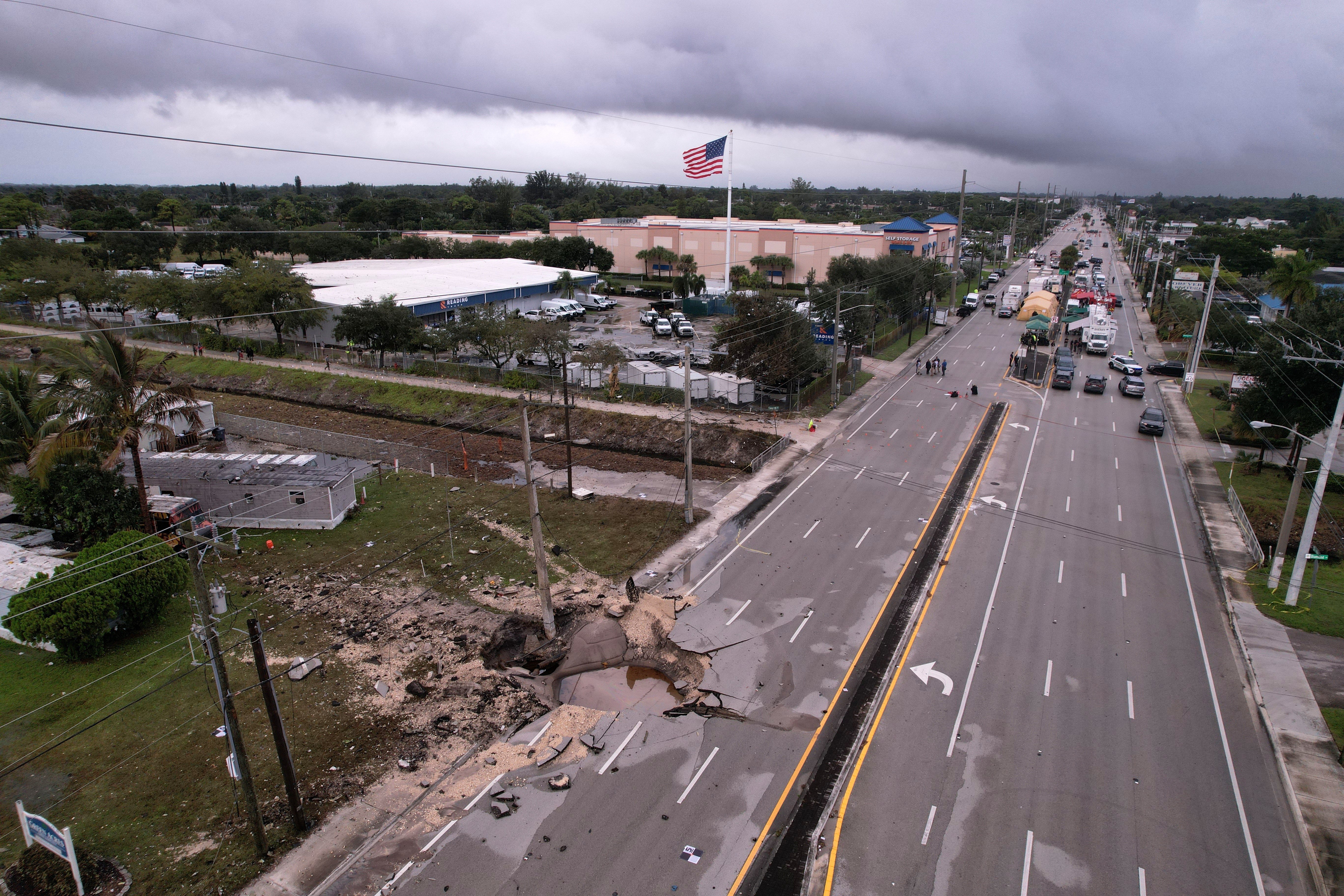
Federal investigators announced Monday that they have retrieved the cockpit voice recorder from the business jet that crashed in Florida last week, killing all nine people on board. The device, recovered from the wreckage of the Learjet that went down on Nov. 1, could provide crucial insight into the pilots' final moments as they battled severe weather.
The National Transportation Safety Board (NTSB) confirmed the recovery in a social media post, noting that the recorder was found at the impact site in Greenacres, Florida. The jet, en route to the Bahamas, slammed into the ground and erupted in flames. The NTSB is now evaluating the device at its laboratory in Washington, D.C., though it remains unclear whether the recorder was damaged or functioning properly before the crash.
Aviation safety expert Jeff Guzzetti, a former NTSB investigator, told the Associated Press that photos of the recorder's orange casing suggest it may have survived in good condition. "It's very plausible that any info on the recorder survived," he said. "If they can recover it, and it's from the accident flight, that will be a huge help to investigators."
Guzzetti cautioned that voice recorders do not always work, citing a recent case in Philadelphia where a medical transport plane's recorder had likely been nonfunctional for years. However, if the data is intact, it could reveal whether the pilots discussed turbulence, ice accumulation, or loss of control before the crash.
The NTSB's preliminary findings indicate that the plane began breaking apart before impact, as pieces of the elevator—a key tail component that controls pitch—were found more than a mile from the main crater. Witness video captured the jet plunging nose-first into the ground, and air traffic control recordings captured the pilots' distress as they sought a better route through the storm.
The co-pilot had reported the plane being thrown up and down by more than 700 feet and requested alternative guidance. Investigators are also examining why the jet appeared to avoid a large storm cell only to fly into a smaller, rapidly developing one.
Typically, NTSB investigations take 12 to 18 months, though complex cases can extend longer. The agency is currently juggling more than 1,200 active probes with a staff of about 400. In this case, investigators will review maintenance records and the aircraft's operational history, and they plan to interview officials from Upper Jets, the company operating the flight, as well as air traffic controllers and airport personnel in Austin, Texas, where the flight originated.
This crash comes amid heightened scrutiny of aviation safety, and the recovery of the voice recorder marks a significant step in determining what led to the tragedy. For now, the NTSB is focused on extracting any usable data from the device, which could be pivotal in explaining the final moments of the flight.