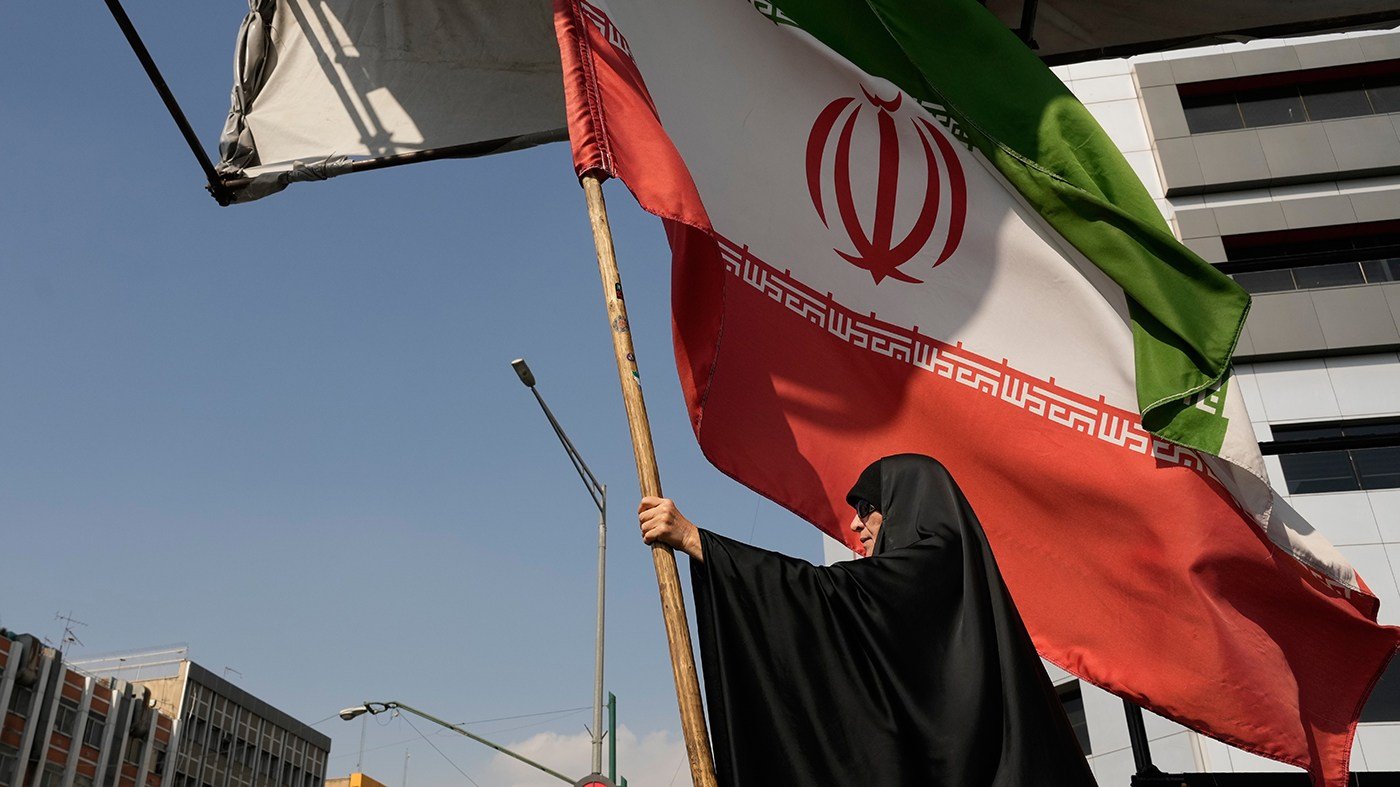
Iran's top security official on Monday accused the Trump administration of fabricating reports about potential negotiations to end the ongoing conflict, as the president suggested that renewed strikes are unlikely in the near term.
Mohsen Rezaei, secretary of Iran's Supreme National Security Council, took to social media platform X to lambast Washington's messaging. "The war on Iran has already wrecked the US government," he wrote. "But Washington flails like a desperate gambler. FOLD YOUR HAND. STOP manufacturing FAKE NEWS about imaginary talks. Stop denying the West Asian NEW ORDER."
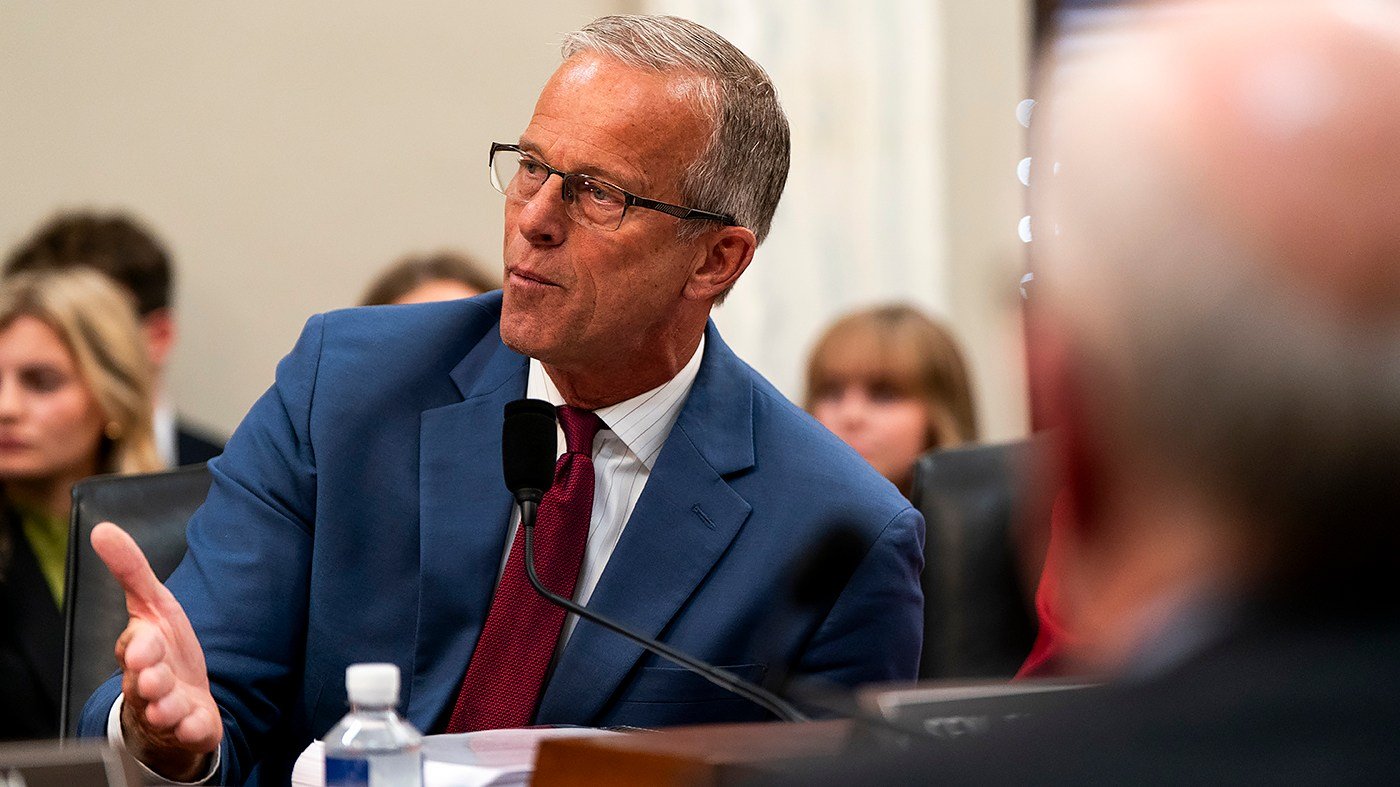
Rezaei reiterated that the United States must "SURRENDER to the seven conditions Iran has repeatedly set out." Tehran has offered to reopen the Strait of Hormuz, which it has effectively shut since the conflict began, in exchange for Washington's acceptance of those terms. The conditions include lifting all sanctions and releasing billions of dollars in frozen Iranian assets.
President Trump and his administration have flatly rejected those demands. Secretary of State Marco Rubio, speaking to reporters in Paris on Tuesday, dismissed Tehran's requests. "Iran is demanding reparations. They should be the ones paying reparations because they're the ones that have destabilized the region for long periods of time," Rubio said. "They're demanding pallets of cash, which the president's made clear is not going to happen."
Rubio also addressed Iran's nuclear ambitions, saying that if Tehran wants a civilian nuclear program, "they should have one like many other countries around the world have," but added that there are "things they can do" to reach that point. He expressed openness to a deal, noting, "Now, I think they want a deal, there's no doubt they'd like a deal too, but they're just not ready to make one, apparently. But we're open to it."
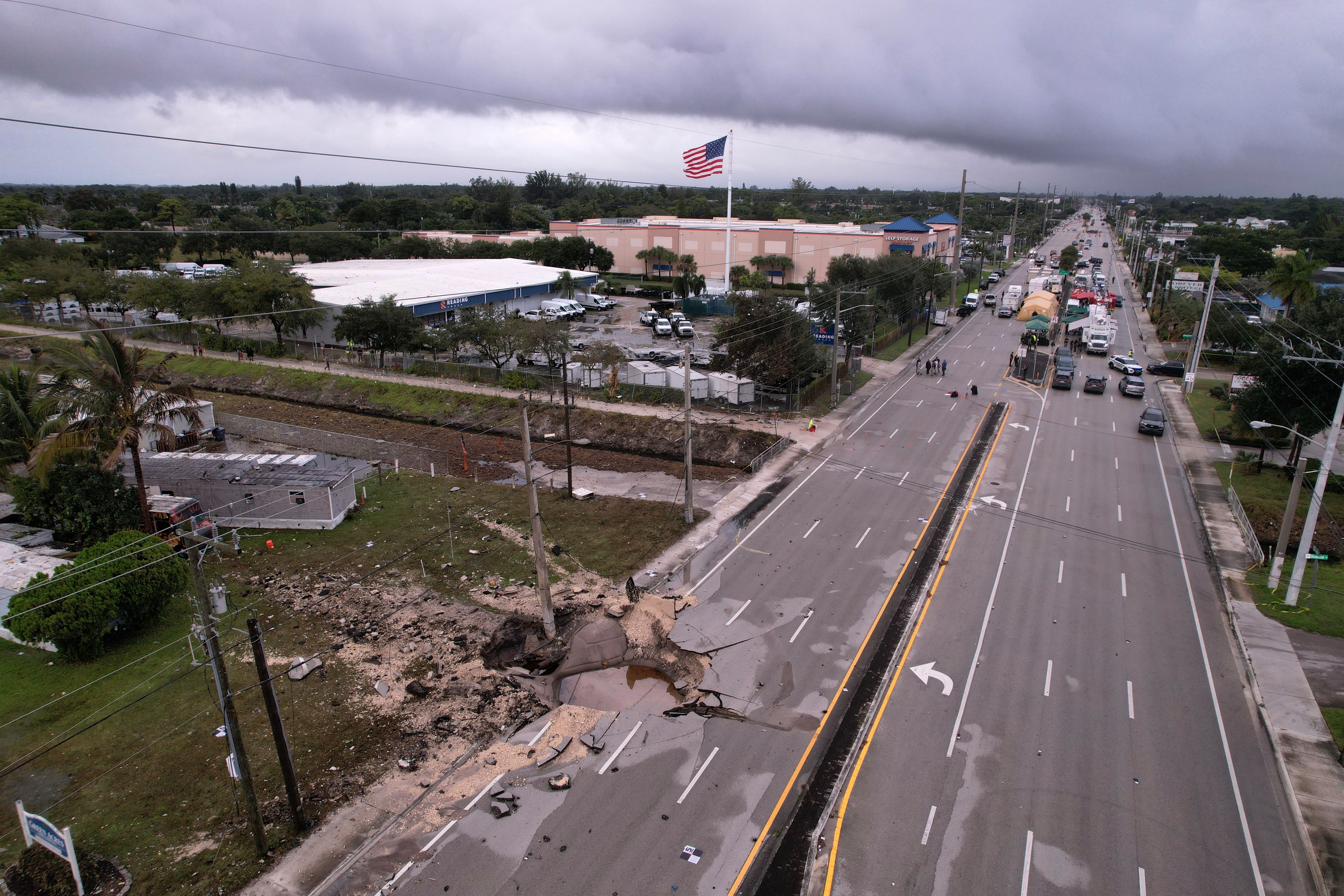
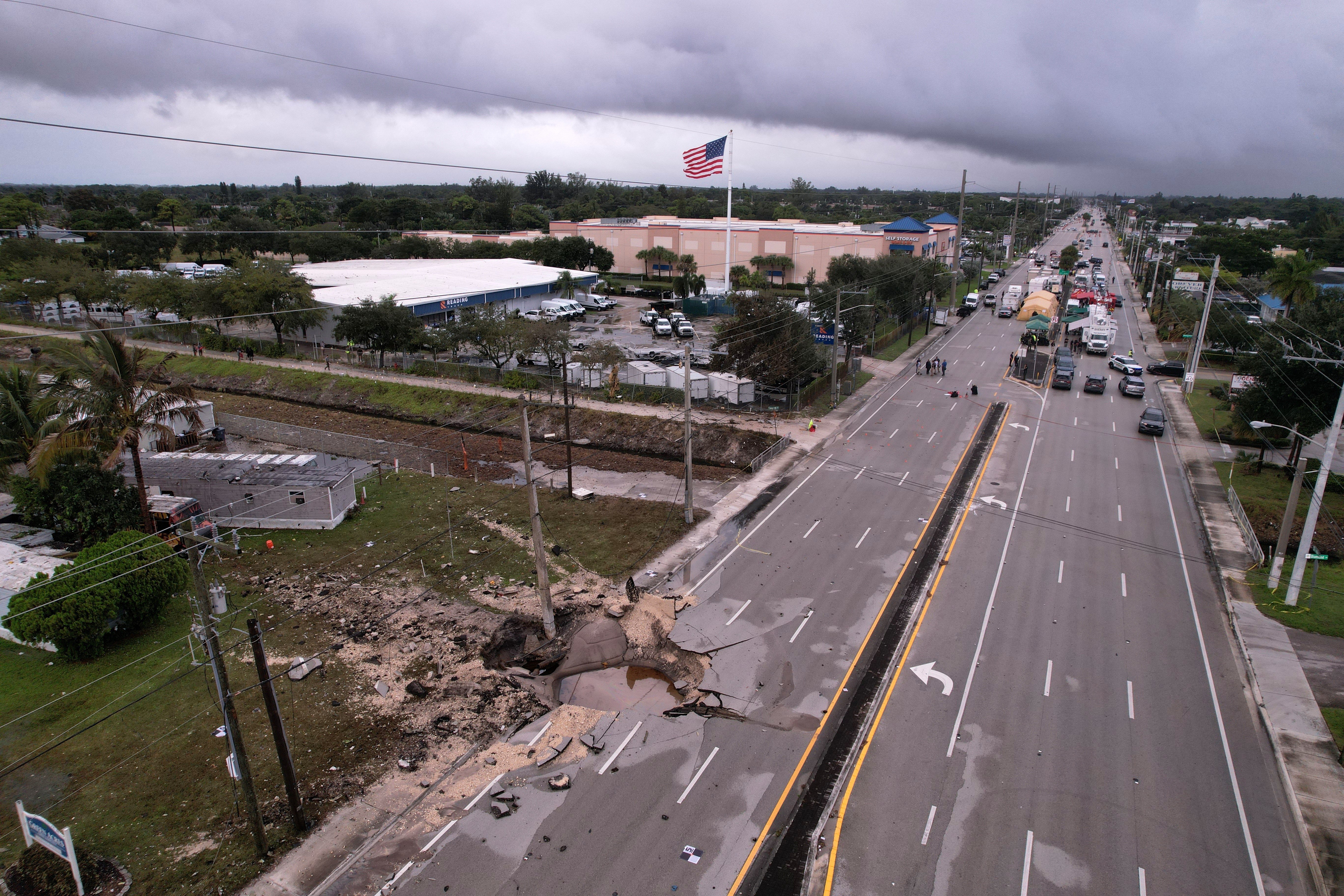
The diplomatic friction comes as Trump downplayed his earlier suggestion that he would authorize renewed strikes on Iran after the midterm elections, despite reported attacks on Qeshm Island last Monday and Friday. Following those strikes, Iranian Foreign Minister Abbas Araghchi issued an ultimatum after Tehran submitted a two-day proposal to end the conflict.
During a White House press conference on Monday, Trump claimed the war was "ending quickly," but stressed that the US wants "to take care of people that have been very good to us over the years," referring to regional allies. His remarks followed a meeting with Qatar's Prime Minister Sheikh Mohammed bin Abdulrahman Al Thani, who has been the lead mediator between Washington and Tehran. Qatari officials have described the talks as positive, but Iran's leadership remains skeptical.
The administration has largely attributed the sweeping Republican losses in the midterms to the war's economic toll, which contributed to inflation and soaring gas prices. However, average gas prices have now fallen below $4 for the first time since July, offering a potential reprieve. The political fallout continues to shape the administration's approach, with some officials pushing for a diplomatic off-ramp even as Tehran rejects the premise of negotiations.
Rezaei's blunt dismissal of the talks reflects a deep mistrust between the two nations, and with no signs of compromise, the conflict's trajectory remains uncertain. The standoff over the seven conditions and the fate of the Strait of Hormuz will likely define the next phase of the confrontation.