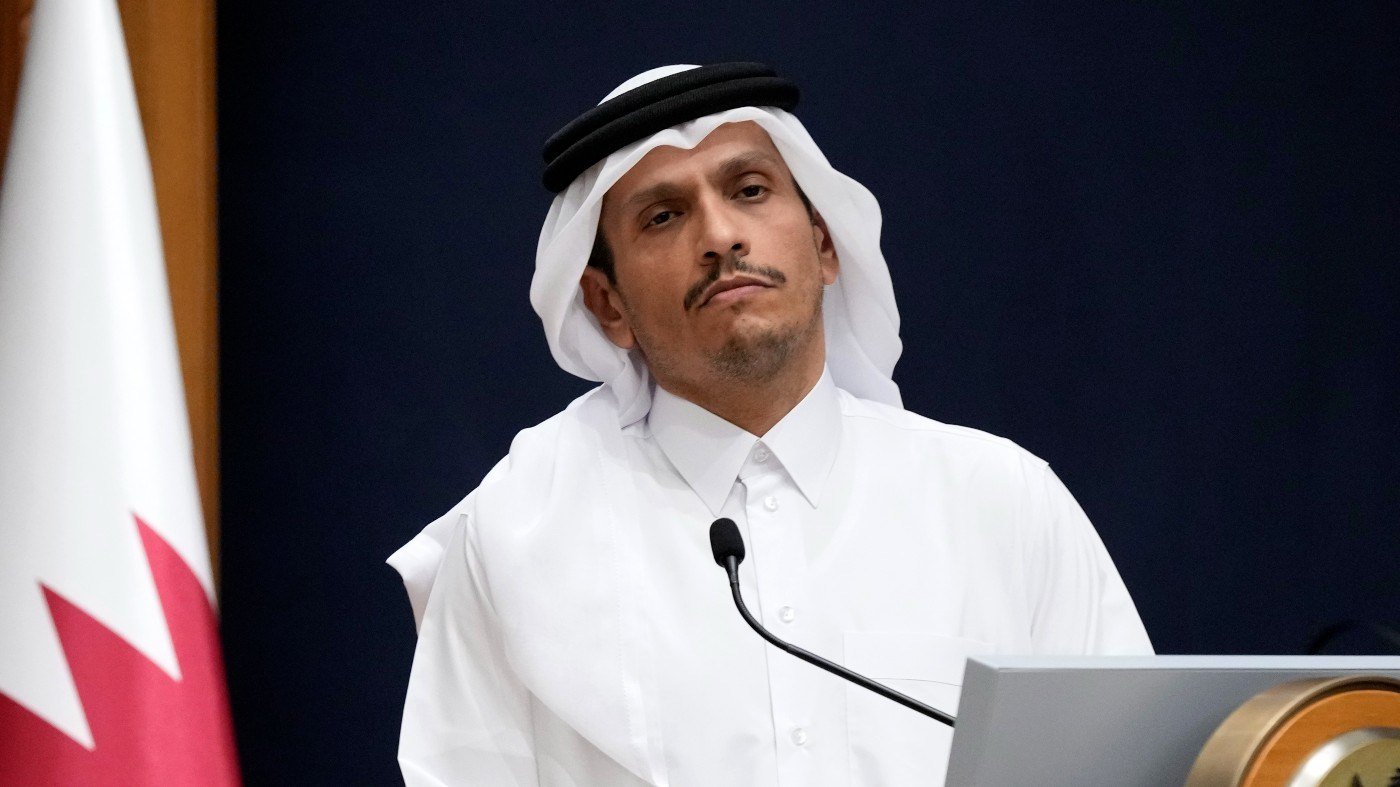
Qatari Prime Minister Sheikh Mohammed bin Abdulrahman Al Thani on Monday described his talks with the Trump administration on Iran as “positive,” offering a rare diplomatic bright spot as the eight-month-old war continues to weigh on American politics.
“It was great meeting with President @realDonaldTrump and Vice President @VP in Washington,” the prime minister wrote on X Monday evening. “We discussed the situation in the region and ways to progress the US-Iran talks. Grateful for the positive discussions on reaching a deal and bringing peace to the region.”
The Qatari leader’s remarks came after a White House meeting that also touched on the broader Middle East security landscape. Qatar has long served as a backchannel between Washington and Tehran, and its prime minister’s visit was widely seen as an attempt to keep diplomacy alive despite months of hostilities.
President Trump, for his part, downplayed the prospect of fresh military action against Iran during the same meeting. Speaking to reporters and in posts on Truth Social, Trump said the United States would maintain its current wartime posture—including a naval and land blockade—rather than escalate with new strikes. “We have the greatest military blockade ever. We have the new Iron Gate,” Trump said. “Iron Gate is land, so by land and by sea, and we will take care of business.”
The president’s comments were aimed at reassuring Arab and Gulf partners who have pressed Washington to keep the blockade in place as a “status quo” option, according to his remarks. That approach, they argue, avoids the risks of a wider conflict while still containing Tehran.
Trump’s stance comes just under a week after the 2026 midterm elections, in which his party faced significant headwinds, in part because of the prolonged conflict with Iran. The war has proven deeply unpopular with the American public and has driven up energy prices at home, a combination that hurt Republican candidates in key races.
Analysts note that the administration’s dual track—maintaining pressure while keeping diplomatic channels open—reflects a delicate balance. Qatar’s involvement is seen as critical, as it has the trust of both Washington and Tehran, and has previously helped broker ceasefires and prisoner exchanges.
“The fact that the Qatari PM is in Washington and calling the talks positive suggests both sides are still willing to talk,” said a former State Department official familiar with the region. “But the blockade and the war’s domestic costs are making it hard to see a quick path to a deal.”
The prime minister’s visit also comes amid heightened regional tensions, including Tehran’s own warnings about unfinished business, and as European ministers have protested Russia’s presence at the G20, highlighting the complexity of international diplomacy in the current climate.
For now, the administration appears to be betting that a combination of military pressure and Qatari mediation can eventually bring Iran back to the negotiating table. But with the midterms now over and the war still grinding on, the political calculus in Washington may shift—especially if energy prices remain elevated.