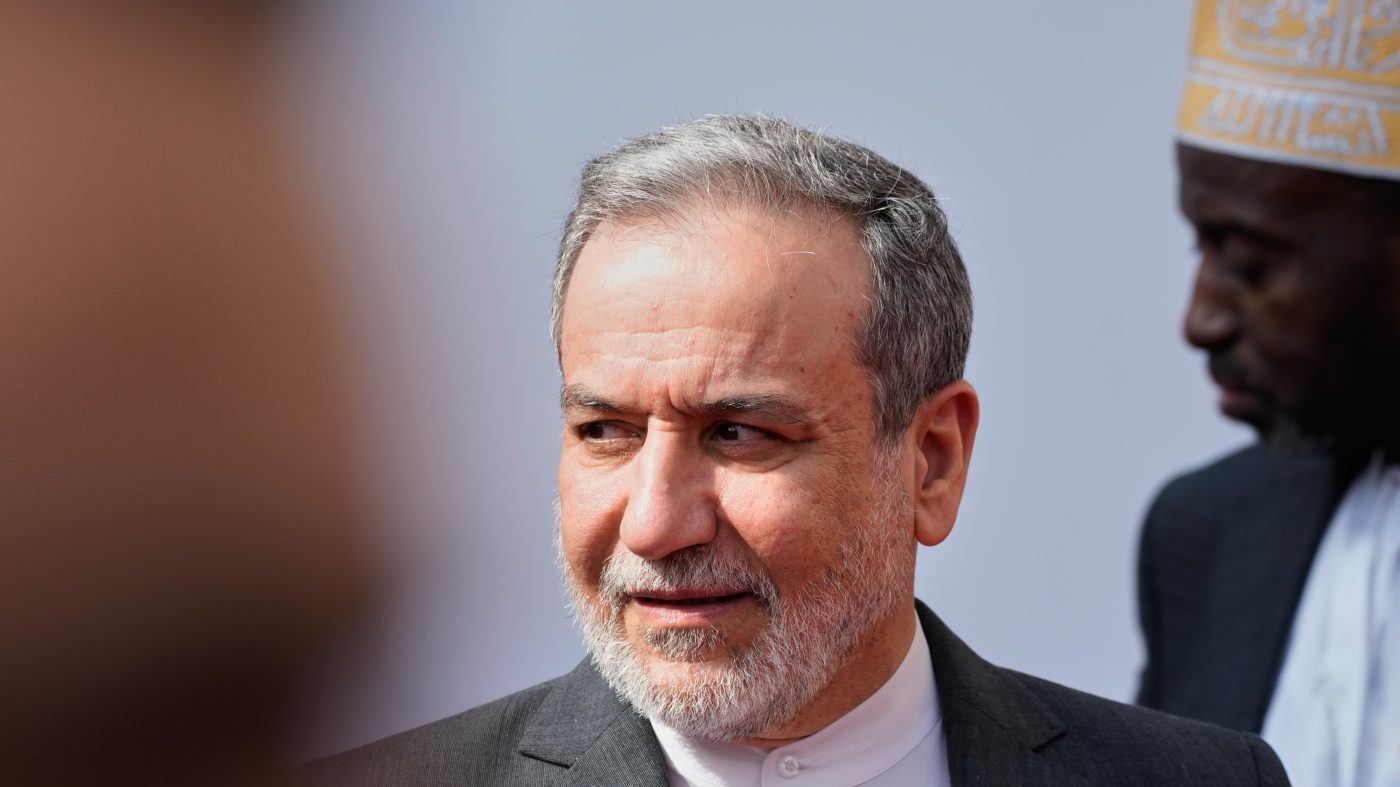
Iran's top diplomat issued a stark warning to Washington on Sunday, cautioning against any renewed military action and signaling that Tehran is prepared to respond in kind. Foreign Minister Abbas Araghchi took to social media platform X to deliver his message, directly referencing previous US threats to 'finish the job' against Iran.
“Last time you wanted to ‘finish the job’, Iran emerged even stronger. Want to try your luck again? Be our guest. But be careful; we have unfinished jobs too,” Araghchi wrote. His remarks come as the conflict between Iran and the US-Israel axis approaches its eight-month mark, with no end in sight.

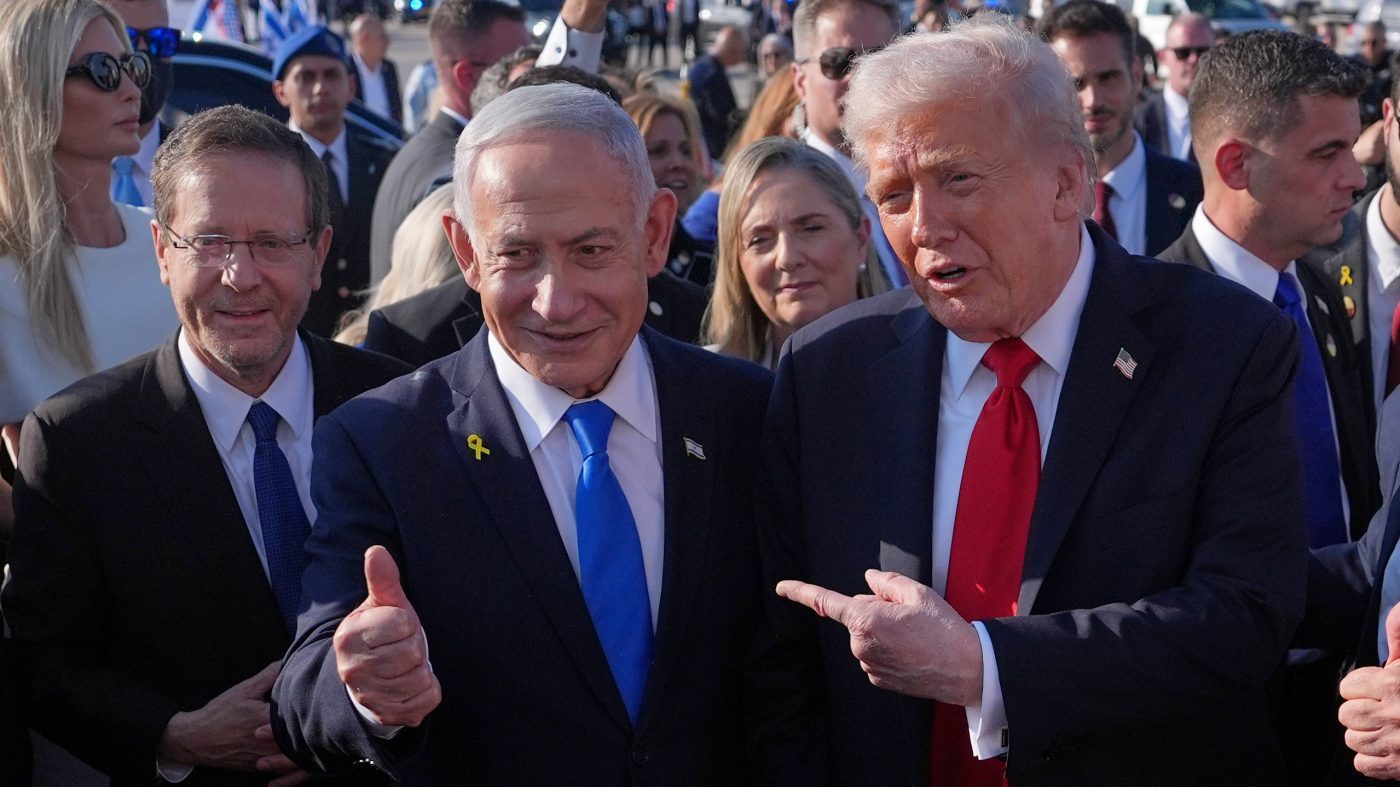
Araghchi also took aim at Israeli Prime Minister Benjamin Netanyahu, accusing him of dragging the United States into a protracted war to distract from his own legal troubles. “Netanyahu is driving America into another war to stay out of jail, whatever the consequences for Israel—let alone POTUS,” he concluded. This is not the first time Araghchi has criticized Netanyahu; he previously branded him a “degenerate gambler” who is “desperately seeking to save himself with more U.S. blood and treasure.”
The war has proven deeply unpopular with the American public, with rising energy costs and mounting casualties fueling discontent. The closure of the Strait of Hormuz—a critical chokepoint for global oil shipments—has driven up prices at the pump in the United States, adding to economic pressures on the Biden administration.
The conflict began with coordinated US-Israeli strikes against Iran, a move reportedly championed by Netanyahu, who convinced President Trump that a military confrontation could spark an uprising against Iran's hard-line clerical regime. However, that prediction has not materialized, and the war has instead dragged on, with no clear endgame.
In a separate development, Araghchi said earlier Sunday that the Strait of Hormuz would reopen within days if the US accepted Iran's seven-day ceasefire proposal, according to CBS News. The proposal reportedly included the release of billions of dollars in frozen Iranian assets, a waiver of oil sanctions, and the lifting of the US naval blockade. Only on the final day would the strait be reopened to shipping.
President Trump rejected the proposal at the time, with US officials telling the Wall Street Journal that he doubted Iran's willingness to honor its commitments. The rejection has left the region on edge, with both sides trading threats and warnings.
Meanwhile, the human cost of the war continues to climb. Earlier this month, the Pentagon updated its casualty figures to 21 American service members killed in the Iran conflict. The two most recent additions—Army Maj. Sorffly Davius and an unidentified Navy sailor—were non-combat deaths, a US official told The Hill.
The warning from Araghchi comes amid a broader diplomatic standoff, with Washington and Tehran showing little sign of compromise. As the war grinds on, the political fallout in the US is growing, with lawmakers increasingly questioning the strategy and cost of the conflict. For more on how the war is shaping domestic politics, see this analysis of recent fundraising trends.
The situation remains fluid, and Araghchi's latest remarks underscore the fragility of the current stalemate. With both sides signaling resolve, the prospect of de-escalation appears distant, and the risk of further escalation looms large. For now, the world watches as Iran and the US navigate a dangerous standoff that shows no signs of abating.