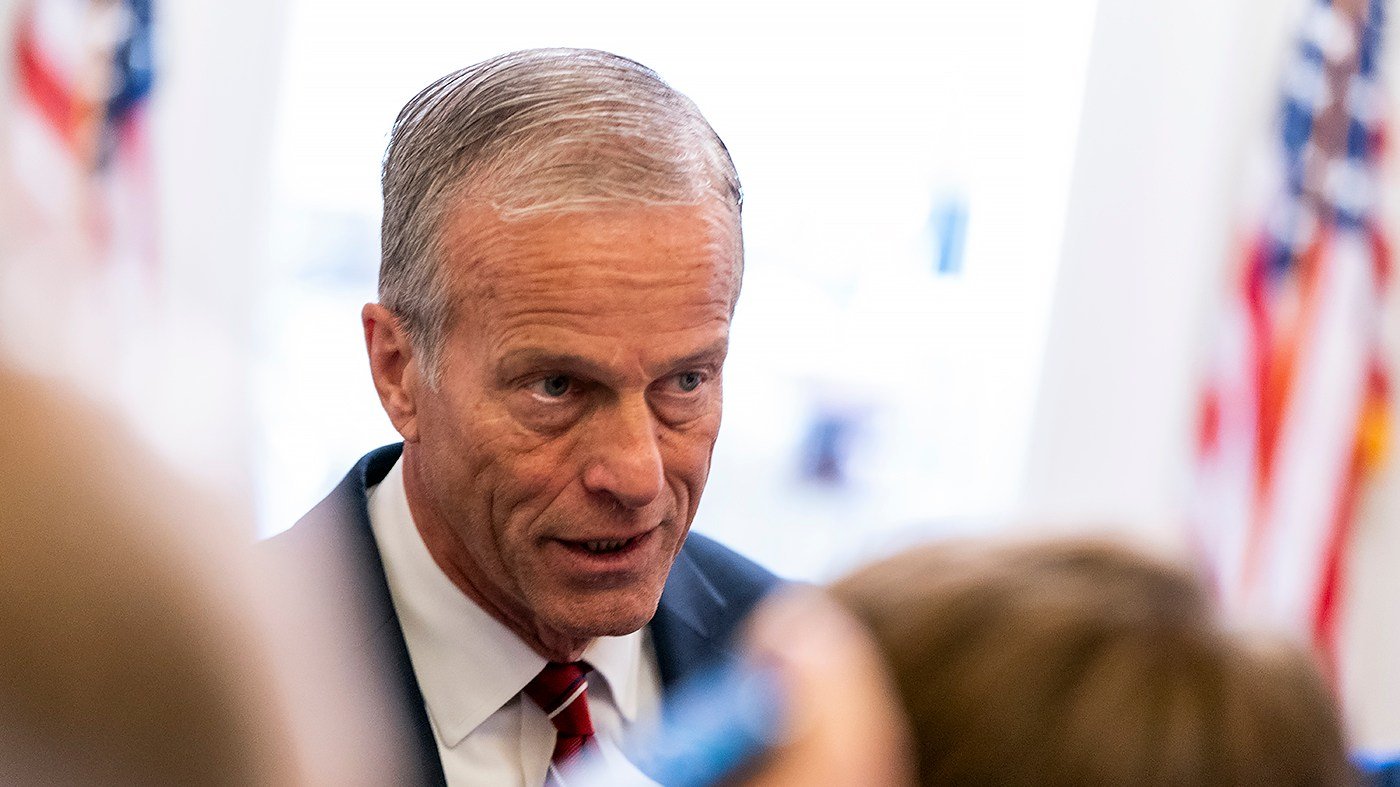
Senate conservatives are mounting a challenge to Sen. John Thune's bid for another term as Republican leader, threatening to delay Tuesday's scheduled leadership vote as leverage to force a more aggressive lame-duck agenda. The push, led by Sens. Ron Johnson (R-Wis.), Mike Lee (R-Utah), and Rick Scott (R-Fla.), seeks a "robust discussion" about the party's recent electoral setbacks and how Thune plans to use the remaining weeks of the GOP majority to advance President Trump's priorities.
The conservatives argue that Thune's leadership should be evaluated in light of the upcoming lame-duck session, which represents the last opportunity to pass key legislation before Democrats take control. They are demanding a thorough review of how Thune and his team handle the next two months, including whether to cancel the Thanksgiving recess and push through a third budget reconciliation package to fund the Pentagon and replenish weapons depleted by the Iran war.
Thune, however, pushed back against the delay, telling reporters Monday that he is open to hearing arguments but does not see the need to postpone the vote. "I don't know that that solves anything," he said, noting that the decision ultimately rests with Republican senators. His allies, including Sen. John Hoeven (R-N.D.), predicted the election would proceed as planned, with Hoeven saying, "I think we will" vote on Tuesday.
The internal conflict comes days after Trump lashed out at the Senate for "getting nothing passed," intensifying pressure on GOP leaders to deliver on his agenda. Conservatives are also calling for a last-ditch effort to pass the SAVE America Act, which would require proof of citizenship for voter registration and photo ID at the polls. Scott, who chairs the Senate Steering Committee, demanded that every leadership candidate commit to passing it in the lame-duck session, posting on X, "Failure is not an option."
Thune, however, warned that a prolonged debate on the SAVE Act, which has already failed to advance this year, could crowd out other priorities. He emphasized the need to focus on confirming as many judicial and executive branch nominees as possible before the power shift. "A lot of it's going to revolve around getting the judges across the finish line," he said, noting that the Senate must confirm 19 district court and 4 circuit court nominees, along with more than 100 executive branch picks.
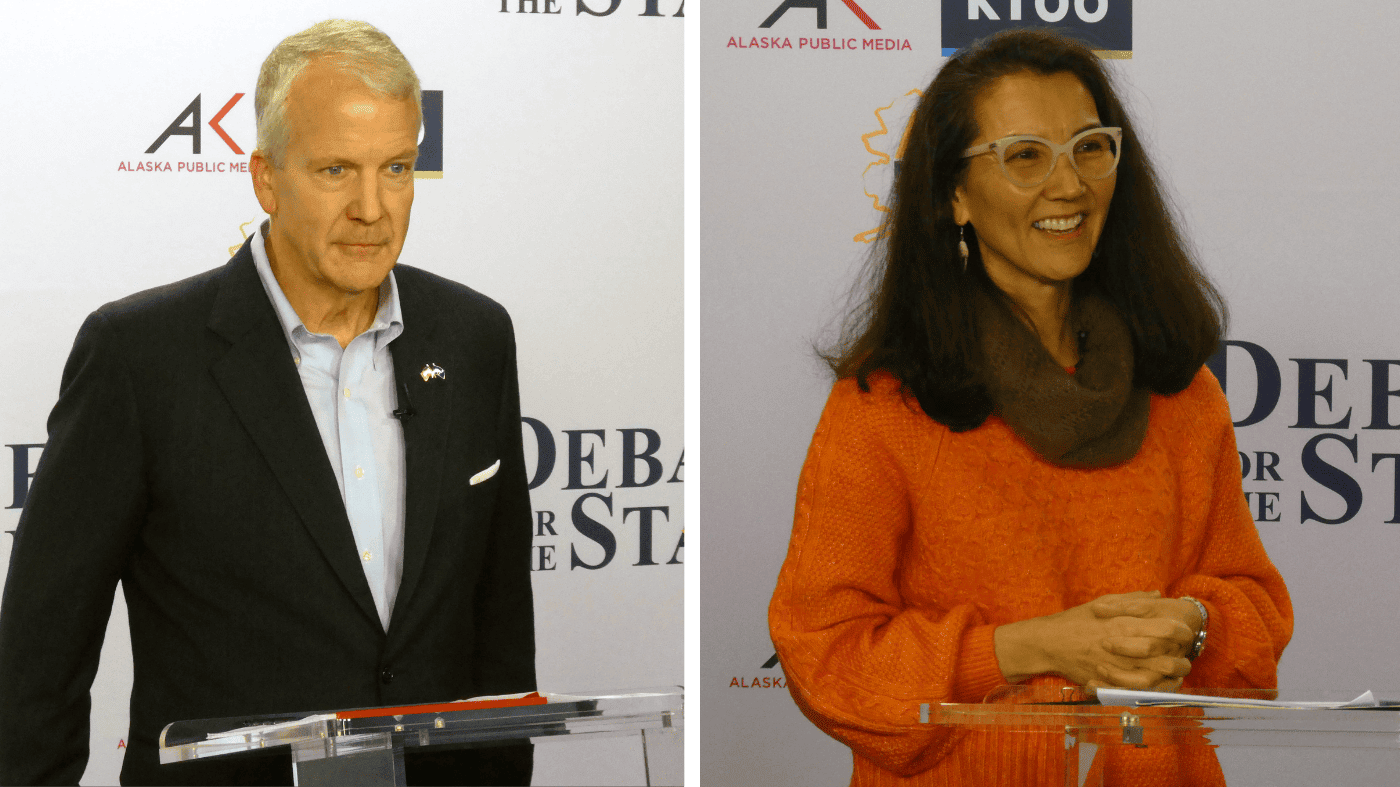
The standoff reflects broader tensions within the GOP conference about strategy and messaging. Some conservatives, like Lee, argue that the leadership vote should be delayed until the full membership of the next conference is known, given the unresolved Alaska and Mississippi races. They want to assess how Thune and his team handle the next few weeks, especially with the majority still in hand.
Thune's allies counter that delaying the vote would only give critics more time to take shots at leadership and would hamper preparations for the lame-duck session. Hoeven suggested that unless a bombshell emerges, the leadership team should be in place before the session begins. "It's about having a discussion on the front end," he said, adding that those with grievances should be allowed to speak their minds.
As the debate intensifies, the outcome of Tuesday's vote will signal whether Thune can consolidate support or face a fractured conference heading into a critical period. The House GOP's own leadership battles and similar calls for delay underscore the broader reckoning within the party after the midterm elections.
For now, Thune remains confident, but the conservative insurgency could reshape the leadership landscape. With the lame-duck session looming, the stakes are high for Republicans to show they can govern effectively before handing over the gavel.