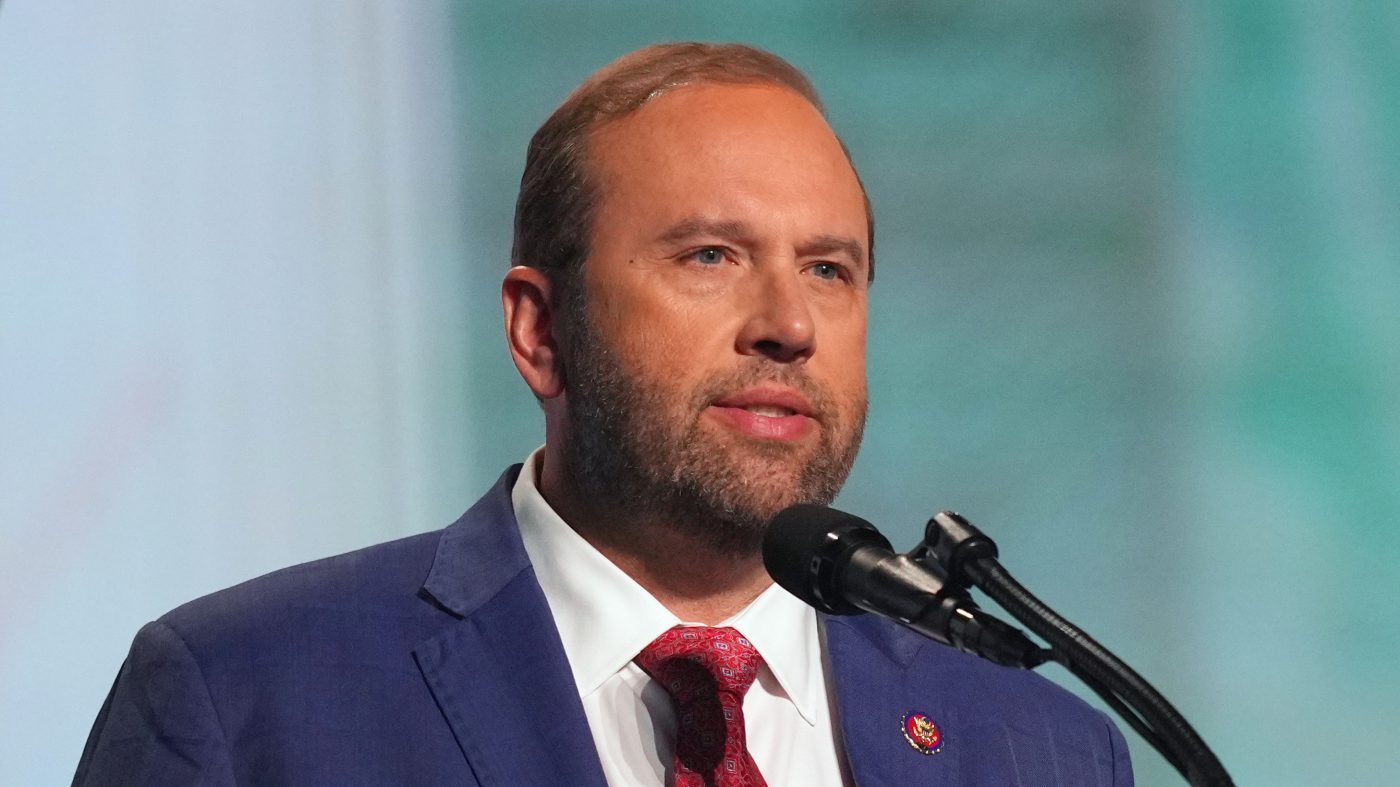
House Ways and Means Committee Chairman Jason Smith (R-Mo.) on Monday called on Republican leadership to postpone the party's upcoming leadership elections, arguing that the conference must first grapple with the reasons behind its bruising midterm losses and overhaul internal rules that have allowed a handful of members to stall legislative priorities.
In a post on X, Smith wrote, "We are less than a week removed from Tuesday's elections, and need to understand how and why we lost the trust of the American people." He added that the conference must address "how our rules have empowered members to vote against rules, bills, and even the Speaker." Failing to do so, he warned, would be "doing a disservice to whoever we choose as Republican Leader."
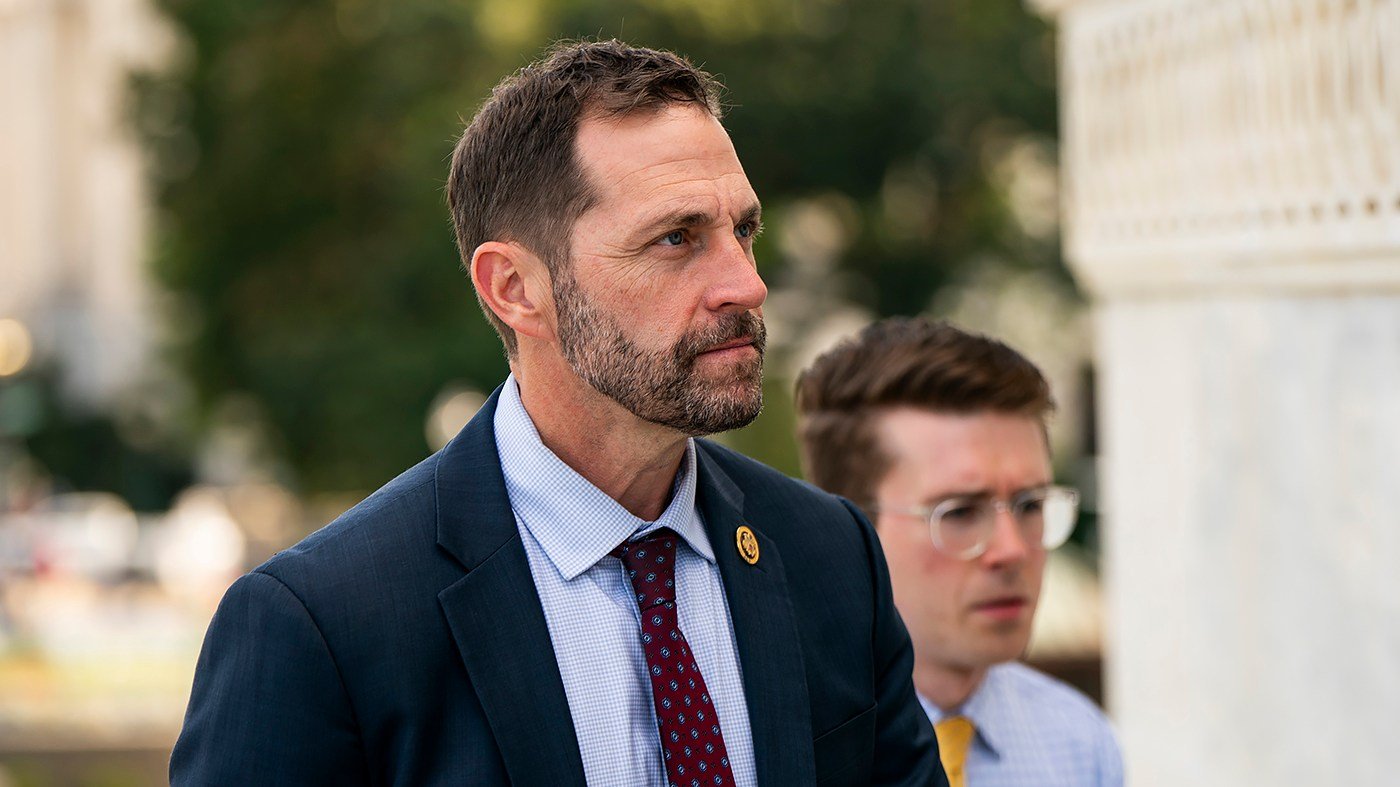
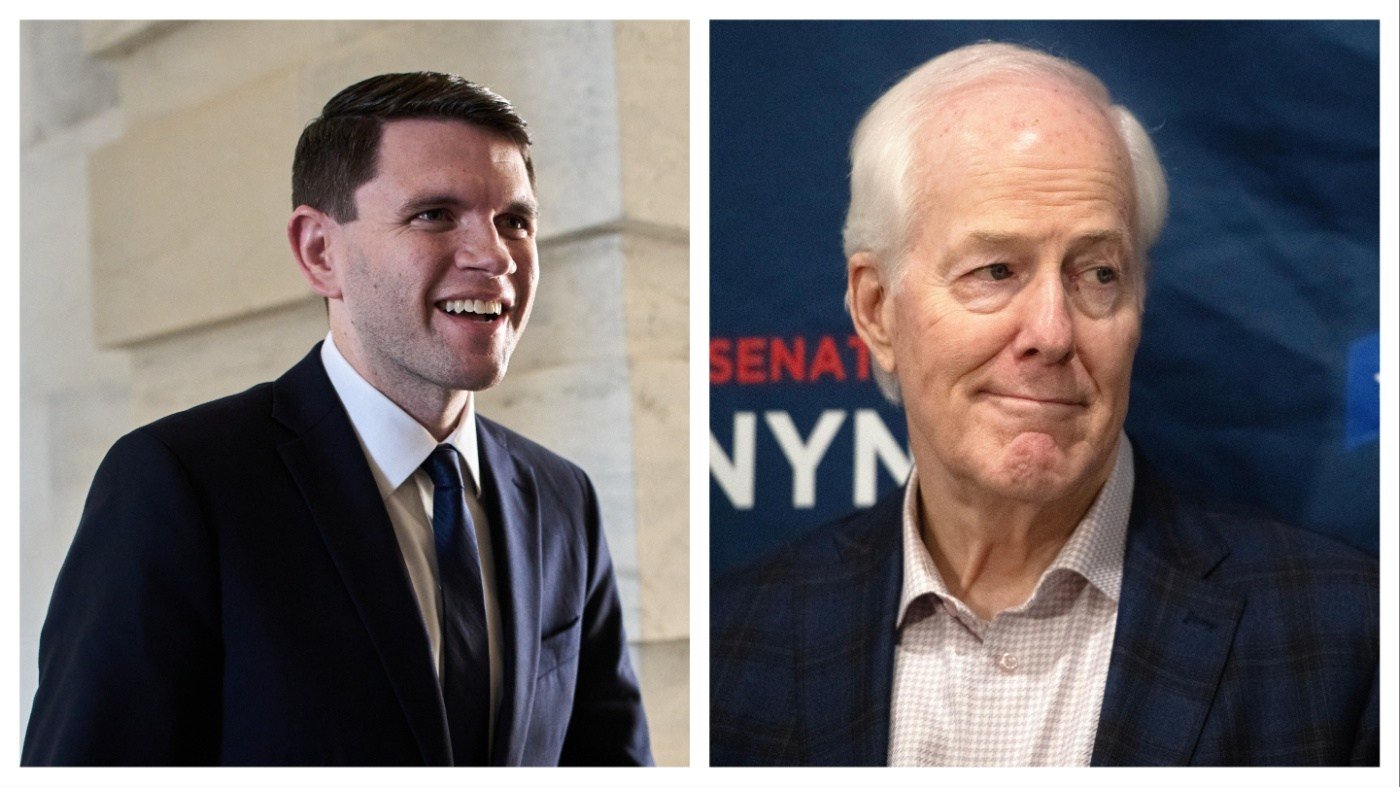
The House GOP is currently scheduled to hold its leadership elections on Tuesday, with a candidate forum set to precede the votes for minority leader, whip, conference chair, and other posts. The race has already drawn multiple challengers: House Judiciary Committee Chairman Jim Jordan (R-Ohio) is running against House Majority Leader Steve Scalise (R-La.) for the top minority spot, while Republican Study Committee Chairman August Pfluger (R-Texas) is challenging House GOP Whip Tom Emmer (R-Minn.). Reps. Greg Steube (R-Fla.) and Erin Houchin (R-Ind.) are also vying for the conference chair position currently held by Lisa McClain (R-Mich.).
Smith, a key ally of former President Donald Trump, acknowledged the credentials of the main contenders, calling Scalise and Jordan "outstanding men who are more than up to the job." But he insisted that the conference should "delay our Leadership elections until we decide how to hold each other accountable and what our path forward should be."
The push for a delay comes amid broader GOP soul-searching after the party lost the House and Senate in the 2024 elections. Some Republicans have called for a thorough review of the party's platform and messaging, while others have focused on procedural fixes to prevent the kind of internal dysfunction that has plagued recent Congresses. Smith's remarks echo a sentiment expressed by other conservatives, including Sen. Dave McCormick (R-Pa.), who has backed a similar delay in Senate GOP leadership contests.
Smith specifically criticized the current rules that allow individual members to hold up the legislative process, including votes against rules and even against the Speaker. "Our rules must never again permit a Leader to be taken hostage to the whims of an individual member," he wrote. "We can and must do better."
The timing of the leadership elections is also complicated by the looming government shutdown deadline, which will require the new leadership to navigate a divided government. Smith's call for reform has drawn support from some grassroots conservatives who want the conference to adopt a more disciplined approach, but it has also met with resistance from those who argue that delaying the vote would only prolong the uncertainty.
House Republicans are expected to meet on Tuesday to decide the party's leadership, but Smith's intervention raises the possibility that the conference could vote to postpone the elections. In the meantime, the jockeying among candidates has intensified, with each hoping to secure the support of a majority of the conference.
As the GOP recalibrates, some observers see the internal leadership fight as a proxy for the larger battle over the party's direction. With the House GOP leadership battle unfolding against the backdrop of a government funding deadline, the outcome will likely shape the party's strategy for the next two years.
Smith's call for reform is part of a broader movement among Republicans to tighten conference rules and ensure that a small faction cannot paralyze the party's agenda. Similar debates are occurring on the Democratic side, as Democrats consider their own internal reforms after their sweeping victory.
For now, the immediate question is whether Smith's proposal will gain traction. If the leadership elections are delayed, the GOP will have more time to craft a unified response to the midterm losses and to the challenges ahead, including the permit reform bill and other legislative priorities. But if the vote proceeds as scheduled, the new leadership will have to move quickly to address the concerns Smith raised.