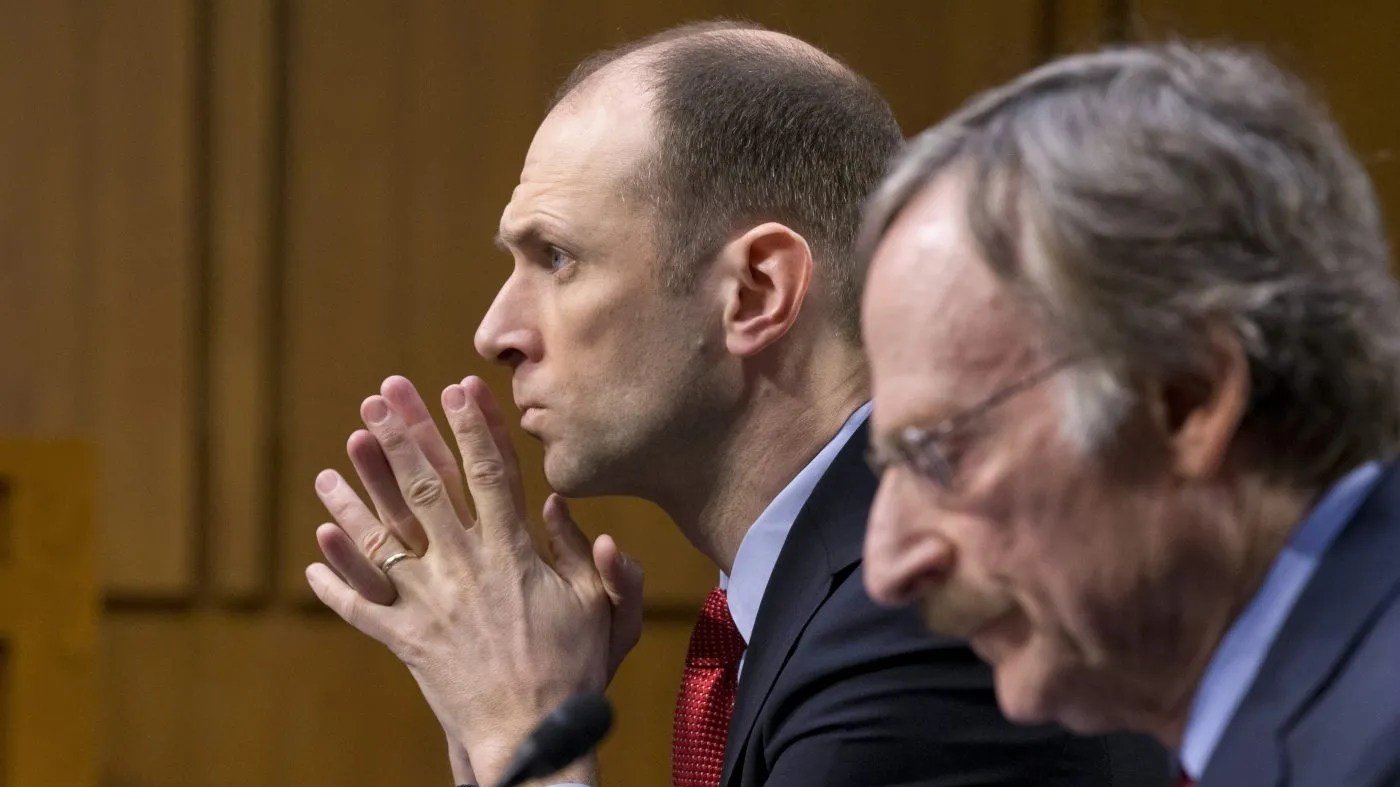
Federal Reserve Bank of Chicago President Austan Goolsbee on Monday raised fresh concerns about the economic impact of the rapid expansion of artificial intelligence data centers, saying the boom is beginning to resemble classic demand overheating.
Speaking at a Leadership Greater Chicago event, Goolsbee told the Chicago Sun-Times that the construction surge tied to AI infrastructure is putting upward pressure on prices. "Now this stuff with the AI data center buildout is, to my eye, starting to look more just like old-fashioned demand overheating," he said.
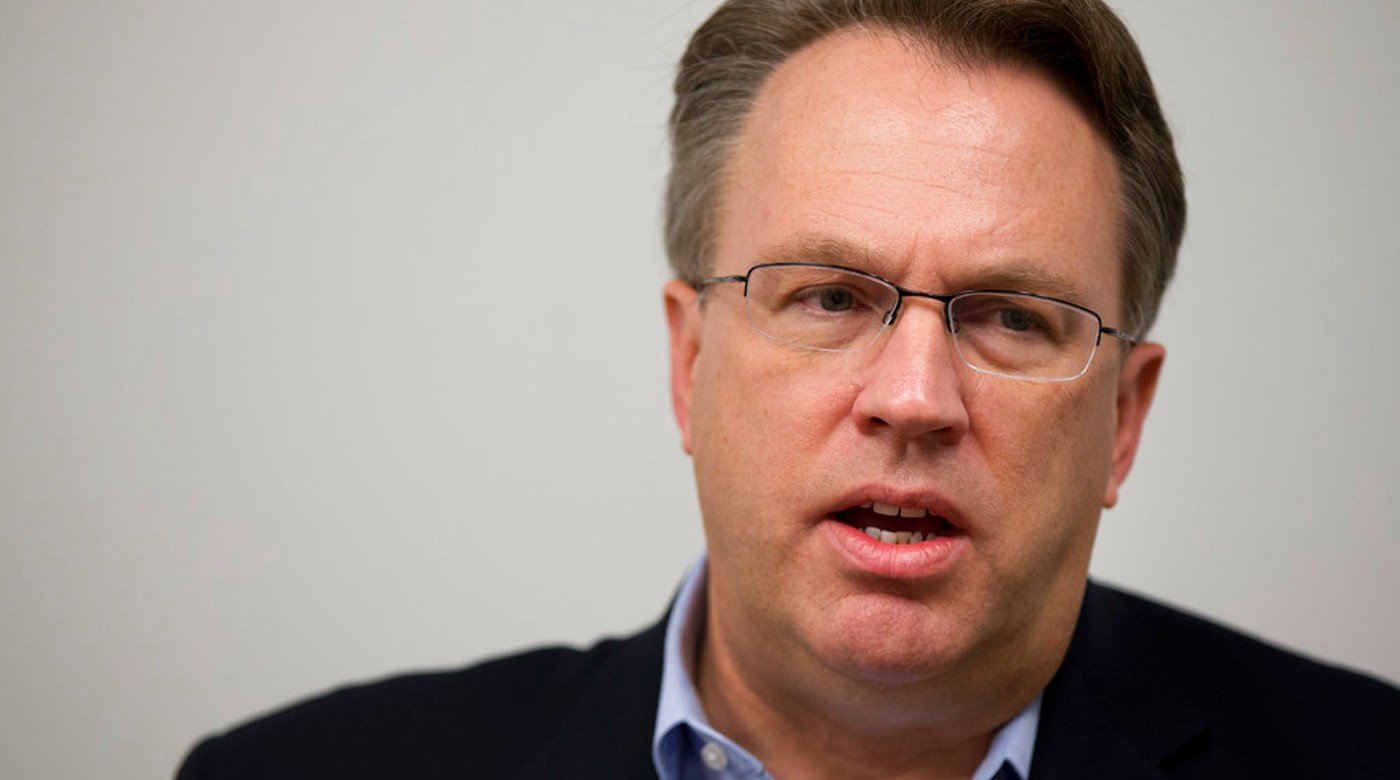
Goolsbee warned that the danger of an overheating economy is that it does not self-correct, and central bankers must be "aggressive up front" to prevent it from taking hold. His comments come as the Federal Reserve weighs its next move on interest rates, with inflation still running above target.
The scale of the buildout is significant. According to the Pew Research Center, citing Data Center Map, more than 1,500 data centers were under development nationwide as of August. That wave of construction is consuming vast amounts of labor, steel, and electricity, which can ripple through broader supply chains.
Goolsbee is not alone in flagging the inflationary risk. Federal Reserve Board Governor Lisa Cook noted in September that "AI-fueled demand" is creating economy-wide pressures. "Data-center investment relies on inputs, like construction labor and energy, that are broadly used in many sectors in the economy," she said. "As a result, increased AI investment could introduce price pressure to those other sectors."
The latest consumer price index, for September, showed inflation at 3.7 percent, down from its peak but still well above the Fed's 2 percent target. The Bureau of Labor Statistics is scheduled to release October CPI data on Tuesday.
Stubborn inflation has pushed the Fed to tighten policy. In September, officials raised interest rates by a quarter point, the first hike in more than three years, and they held rates steady at their last meeting. According to the CME FedWatch tool, traders currently see an 84.2 percent chance of another quarter-point increase at the Fed's December meeting.
The Fed's leadership has also taken note of AI's broader economic implications. Federal Reserve Chair Kevin Warsh said in September that central bank officials "care much about the implications" of the technology "on the demand side." Shortly after taking office in May, Warsh established a task force to study AI's economic impact. The group, co-led by Andreessen Horowitz co-founder Marc Andreessen and Stanford economist Charles Jones, is expected to deliver its initial report by the end of this year.
The data center boom has also become a political flashpoint. In some regions, local opposition has grown over concerns about energy consumption, water use, and strain on infrastructure. That backlash has influenced elections, with some candidates campaigning on stricter oversight. For instance, Texas state representative-elect Hinojosa has pledged to introduce safeguards for data centers in the state, while recent midterm results suggest that data center backlash fueled Democratic wins in several races.
At the federal level, the debate over AI's economic footprint is likely to intensify as the Fed's task force prepares its findings. With inflation still a concern and the labor market tight, the central bank's next moves will be closely watched by policymakers and investors alike.