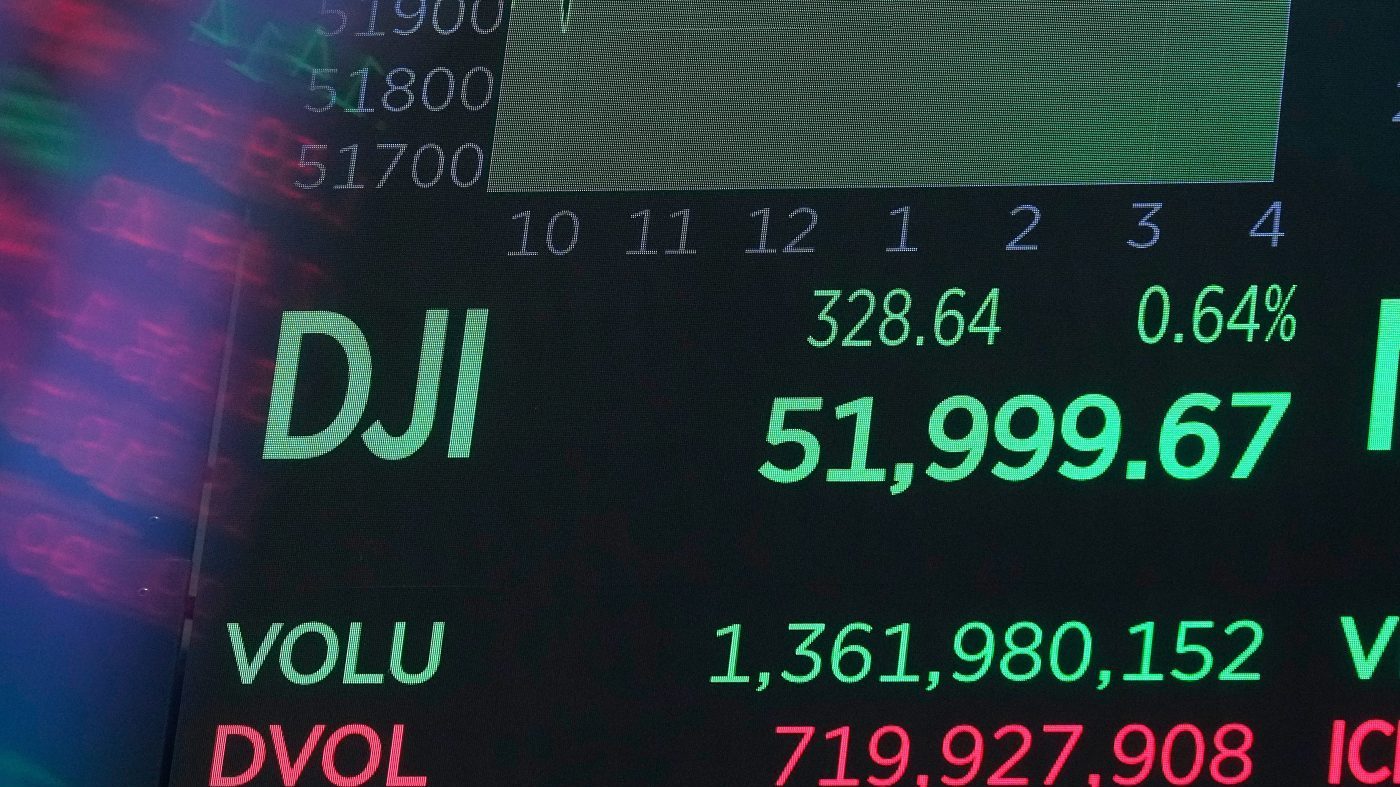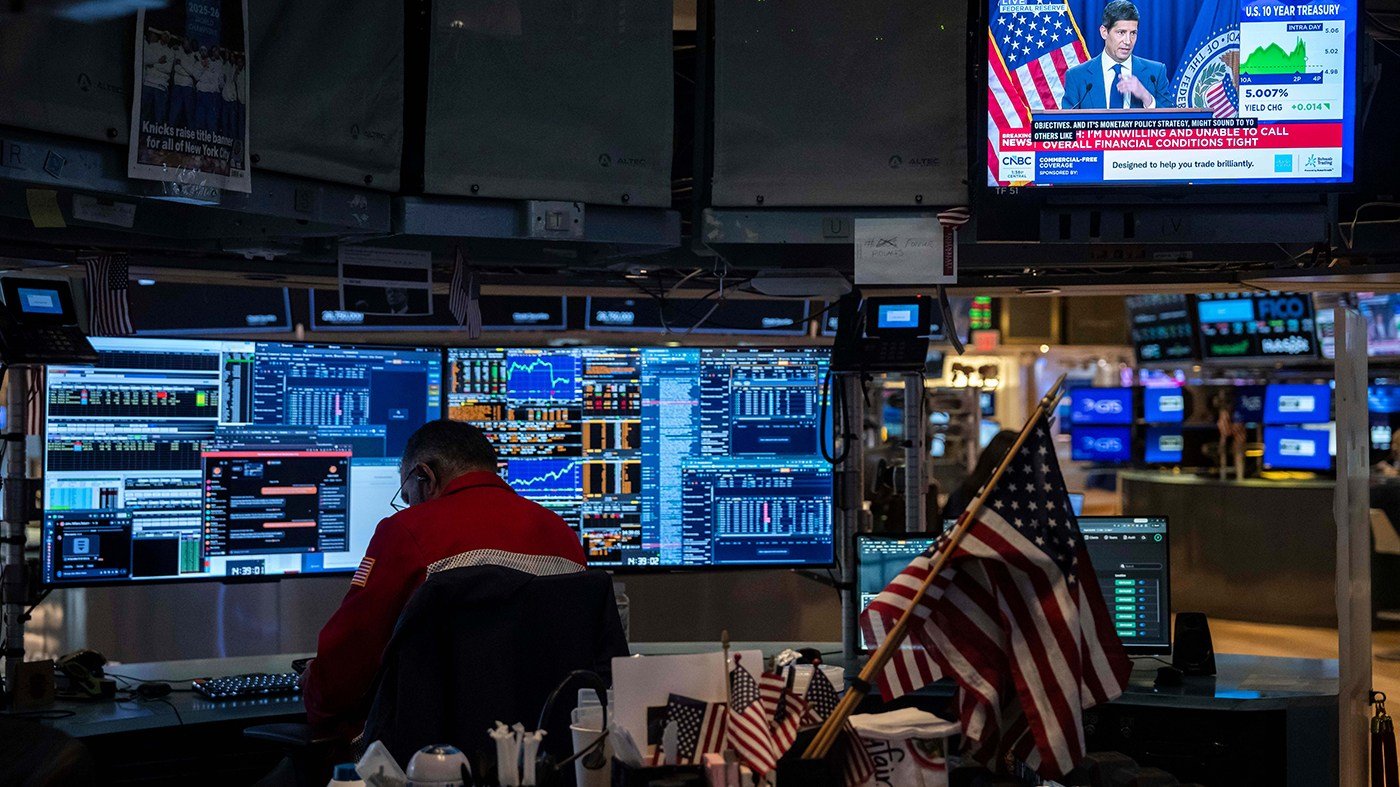
Wall Street's post-election euphoria proved short-lived, as stocks suffered a dramatic reversal on Thursday, erasing the previous day's gains. The Dow Jones Industrial Average opened sharply lower and closed down 1,833 points, a swing of more than 2,100 points from its intraday high on Wednesday. The Nasdaq Composite fell roughly 1,422 points, while the S&P 500 shed about 335 points. The tech-heavy Nasdaq 100 dropped 6.36 percent, losing approximately 1,807 points in a single session.
The sell-off came as investors grappled with mounting concerns over debt tied to artificial intelligence infrastructure. Liz Ann Sonders, chief investment strategist at the Schwab Center for Financial Research, noted on X that the Nasdaq had slipped into correction territory, down more than 11 percent from its peak a month ago.

Just a day earlier, markets had surged after Democrats secured control of both chambers of Congress in the midterm landslide. That rally was fueled by expectations of divided government and gridlock, which historically tends to reassure investors. But the glow faded quickly as traders refocused on the financial risks posed by the AI boom.
Democratic lawmakers and candidates had campaigned on reining in the AI industry, and voters signaled support for such measures by rejecting data center projects in dozens of ballot initiatives. Progressive Senator Bernie Sanders of Vermont renewed his push for a national moratorium on data center construction on Wednesday, arguing that Americans "don't want Big Tech oligarchs wrecking the environment, gutting jobs and threatening humanity's future." Sanders took to X with an all-caps demand: "NATIONAL DATA CENTER MORATORIUM NOW."
The political environment is shifting, with progressive voices gaining influence in the new Congress. House Democrats are expected to elect a new speaker, and Hakeem Jeffries' bid for the speakership could bring a more aggressive regulatory stance toward technology. Meanwhile, Marie Gluesenkamp Perez's re-election in Washington's 3rd District highlighted the salience of data center issues in local politics.
Despite the sharp downturn, historical patterns offer some solace. According to a CNBC analysis of midterm elections from 1982 to 2022, the S&P 500 has risen by an average of 1 percent one week after the vote, and by 1.5 percent after a month. This suggests that the current sell-off may be a temporary blip rather than a sustained decline.
Investors are also watching the broader economic picture, including inflation data and the Federal Reserve's next moves. The AI-driven rally had lifted markets to record highs earlier this year, but the growing debt load of tech companies and the potential for tighter regulation are now weighing on sentiment.
As the new Congress prepares to convene, the interplay between policy and markets will be closely watched. The Democratic sweep has raised expectations for action on AI oversight, data privacy, and antitrust enforcement—all of which could have significant implications for the tech sector and the broader economy.