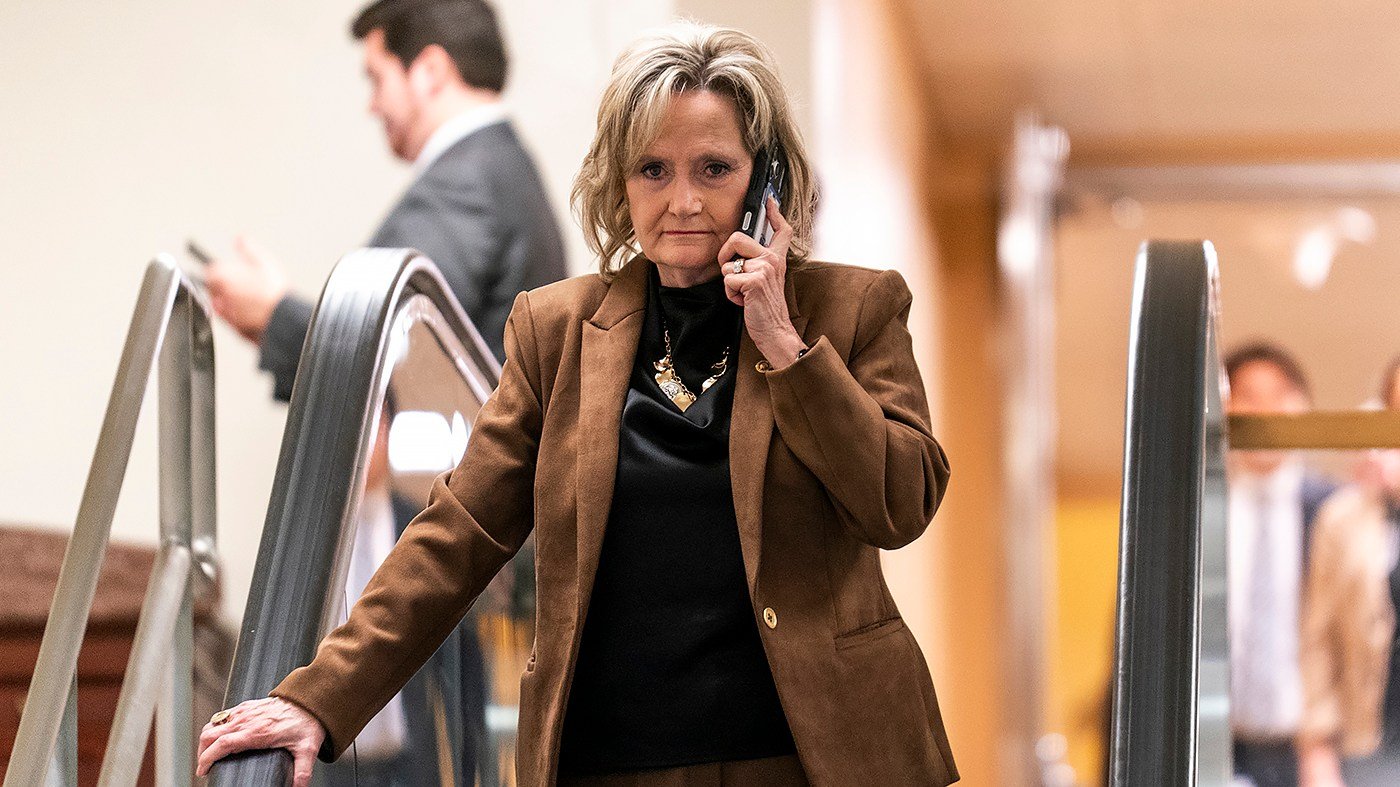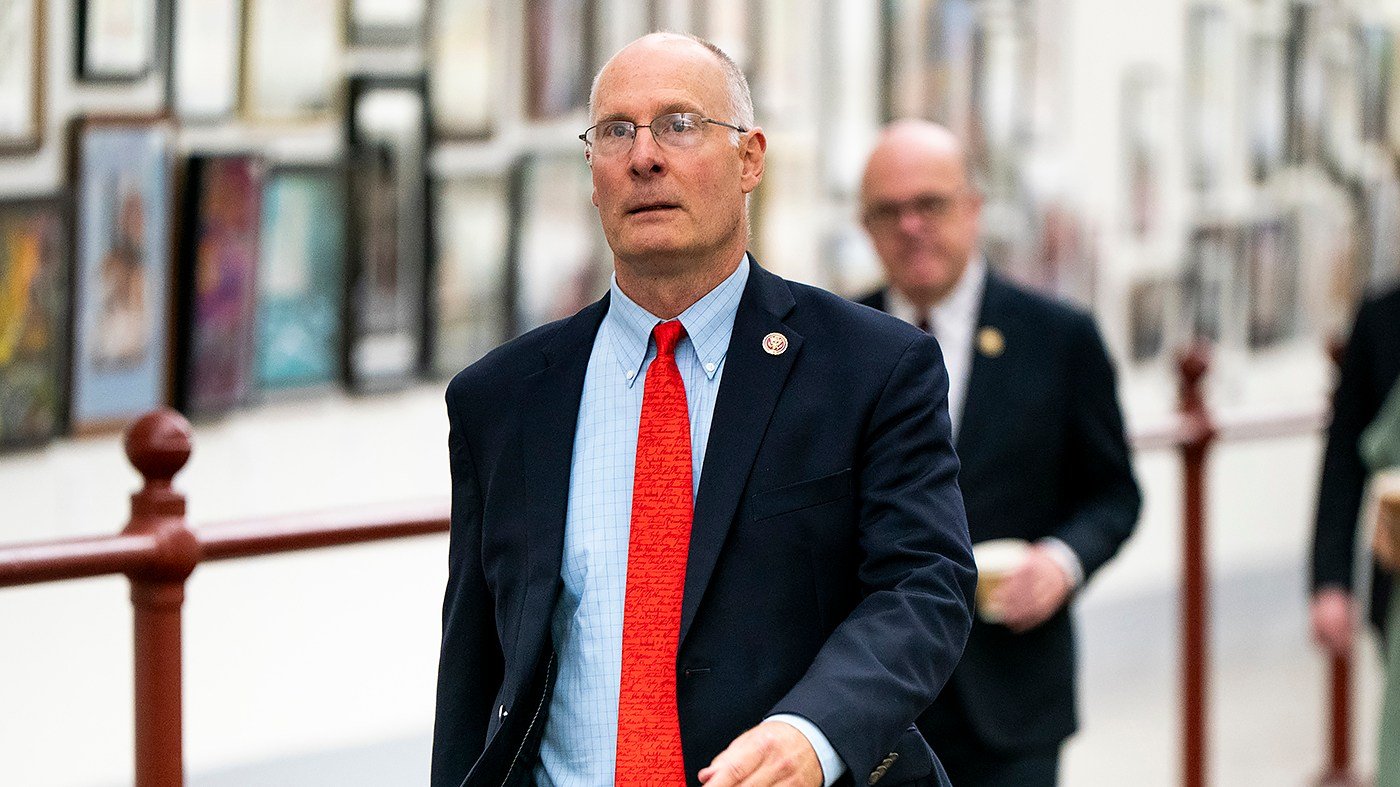
Three top House Republicans are pressing Nvidia CEO Jensen Huang to appear before Congress in a joint, closed-door briefing to address allegations that he provided sensitive information to Chinese authorities. The request follows a New York Times report claiming that Alice Huang, an executive at Singapore-based Megaspeed, funneled intelligence to Beijing while cultivating a close relationship with the Nvidia chief.
The letter, signed by House Select Committee on China Chair John Moolenaar (R-Mich.), House Foreign Affairs Committee Chair Brian Mast (R-Fla.), and House Permanent Select Committee on Intelligence Chair Rick Crawford (R-Ark.), sets a Nov. 18 meeting date. The lawmakers want to examine Nvidia's security protocols against foreign adversary espionage and the nature of Jensen Huang's interactions with Alice Huang.
In their statement, the committee chairs said, "Recent reports raise significant national security concerns regarding the PRC's access to sensitive U.S. technology and information," adding that it is "vital that Congress determines the extent to which U.S. national security has been placed at risk."
Nvidia has pushed back on the allegations, with a spokesperson telling The Hill that "meetings with customers are part of a CEO's job; Jensen talks with thousands of customer executives every year." The company stressed that regional cloud customers "receive ordinary business information—not sensitive Nvidia trade secrets—and zero information relevant to national security." The spokesperson also expressed confidence that "if the U.S. government believes that any person is a threat to American industry, it would let us know."
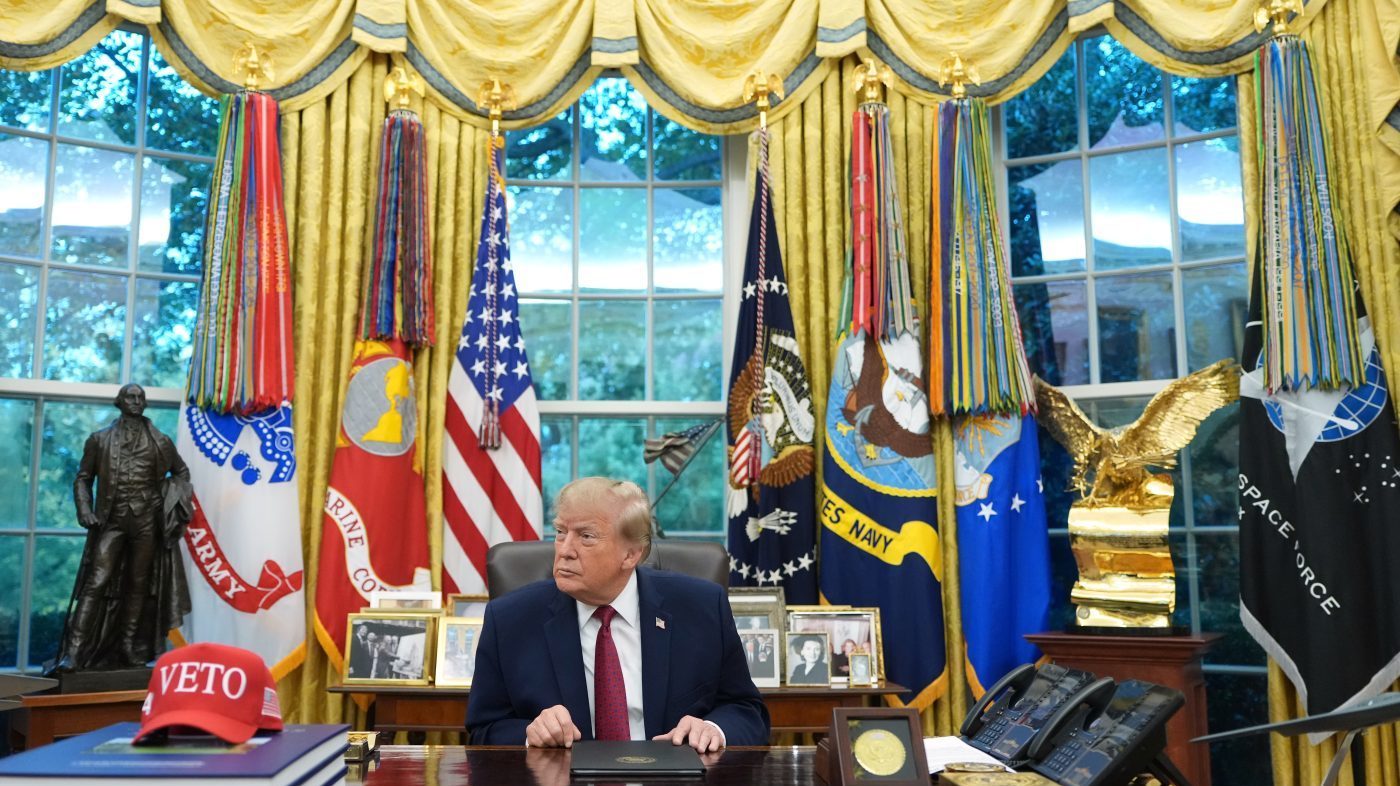
The controversy comes amid an ongoing U.S.-China trade war over advanced technology exports. While the Trump administration has restricted sales of the most sophisticated AI chips to Beijing, Nvidia received exceptions to sell older AI chips to China in 2025. President Trump was reportedly briefed on the matter but hesitated to interfere with Nvidia's chip sales and the broader trading relationship with China.
Huang has until Nov. 11 to propose an alternative date if he cannot attend the hearing. The move highlights growing bipartisan concern in Congress over tech executives' ties to foreign adversaries, a theme that has also surfaced in debates about AI self-regulation and the risks of unchecked corporate power in the sector.
The case also raises questions about the financial entanglements of major tech firms. Analysts have pointed to Nvidia's shadow banking role as a potential amplifier of AI-related financial risks, and lawmakers are increasingly scrutinizing how such influence shapes national security policy.
In an earlier statement on Oct. 29, an Nvidia spokesperson asserted that Jensen Huang's interactions with Alice Huang were "not unusual or unexpected." The company has consistently denied any wrongdoing, and previously told The Hill that Megaspeed was a regional customer and that the claims were debunked last year.
The closed-door briefing is expected to be contentious, as Republicans and Democrats alike seek clarity on the extent of any intelligence compromise. The outcome could influence future export controls and the broader U.S. strategy toward China, especially as leadership battles within the House GOP continue to unfold.