Democrats are facing a familiar political trap: a bipartisan deal that promises progress on clean energy but comes with a costly concession to fossil fuel interests. The Bipartisan American Affordability and Jobs Act of 2026, touted as a way to speed up transmission line construction, is drawing sharp criticism from environmental groups and community advocates who say it would hand the current administration unchecked power to approve massive data centers and natural gas plants, while stripping local communities of their ability to object.
The deal echoes the 2022 fight over the Inflation Reduction Act, when Senator Joe Manchin (D-W.Va.) held the bill hostage in exchange for approval of the Mountain Valley Pipeline, overriding the objections of landowners and tribal nations. Now, critics say, the new permitting bill is a similar 'dirty deal' — this time with data centers as the prize.
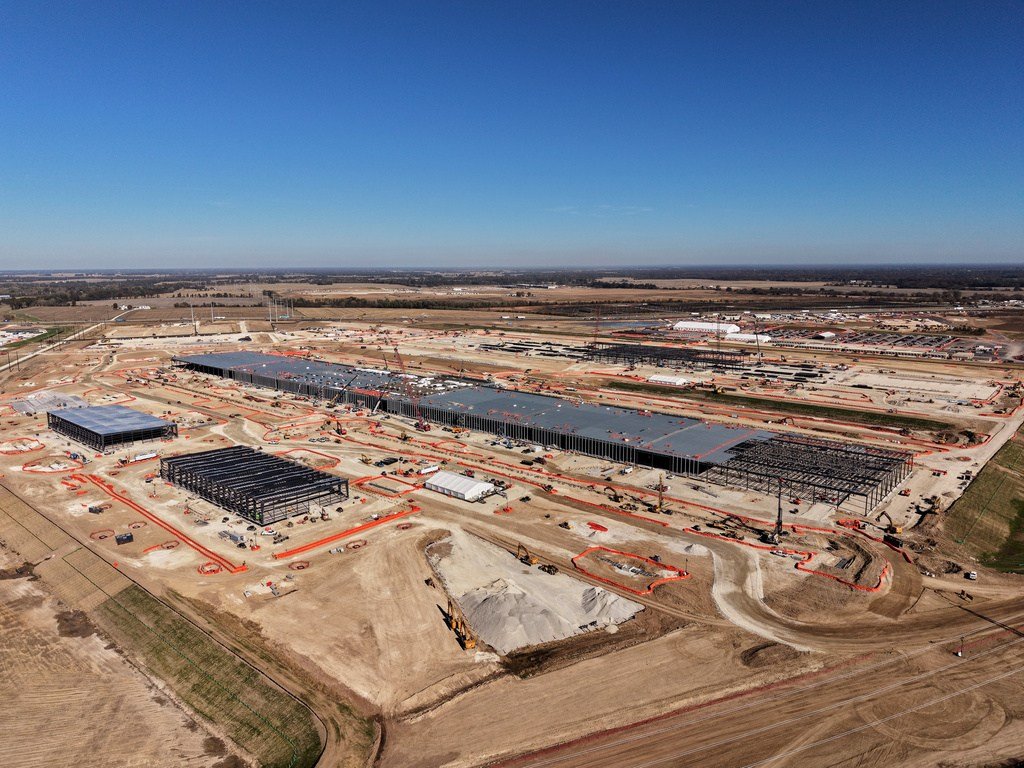
While the stated goal is to reduce red tape for transmission lines, the bill's actual effect, according to analysis from Oil Change International, would be to make it 'virtually impossible for communities and individuals to challenge infrastructure projects that threaten their air and water.' The group warns that the current wave of data centers and associated gas plants could increase power sector gas consumption by 50 percent — equivalent to the gas use of all of Central and South America combined. That would be 'disastrous for our climate and the communities whose air and water would be poisoned.'
The Center for Western Priorities, a Denver-based conservation group, adds that the bill would give President Trump and Interior Secretary Doug Burgum two years to approve data centers on public lands, and then make those approvals nearly impossible for a future president to reverse — even if permits were granted illegally. Taxpayers would also be on the hook to compensate developers if a future administration slowed down a whole category of projects.
Critics argue the bill locks in decisions made now, even if better alternatives emerge, and relies on the good faith of an administration that has shown little regard for environmental law and a clear preference for fossil fuels over renewables. It would allow the federal government to override state and local objections to projects with negative impacts.
Even under the most optimistic forecasts, the bill would increase greenhouse gas emissions. Supporters counter that emissions would rise even more without it, but opponents call that a 'lose by less' strategy. They argue that waiting until clean energy advocates have more leverage in Congress and the executive branch would yield a better outcome.
Senator Sheldon Whitehouse (D-R.I.), a co-sponsor, is reportedly frustrated by the administration's rollback of offshore wind permits and wants to prevent such reversals in the future. But the timing is puzzling: with Democrats poised to gain strength in both chambers in just two months, why rush a bill through the lame-duck session when the party is at its weakest? Environmental advocates are urging lawmakers to kill the bill now to avoid having to defend a politically toxic vote in future campaigns.
As the debate heats up, the political stakes are clear. Democrats who support this bill risk handing Republicans a major win on an issue that could define the next Congress. The question is whether they will learn from past mistakes or repeat them.