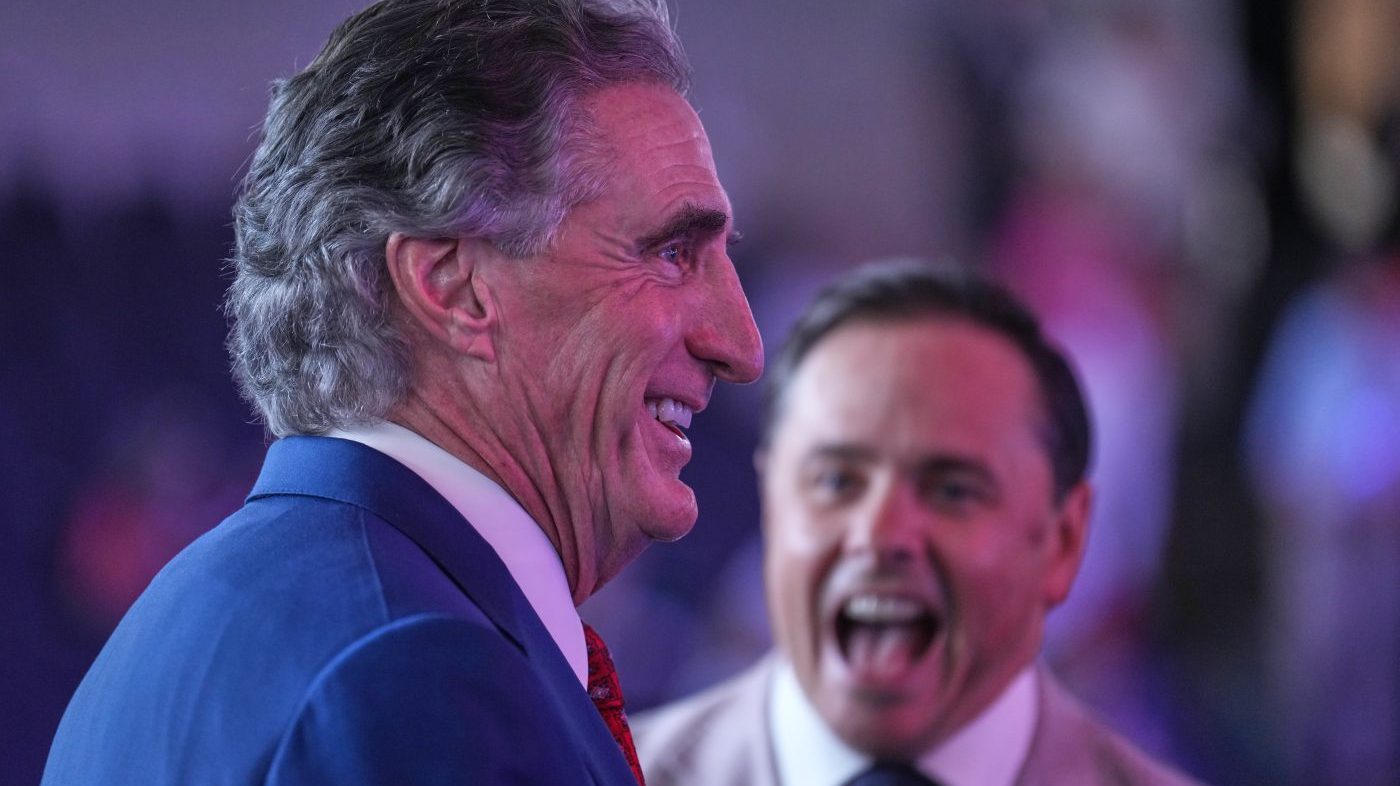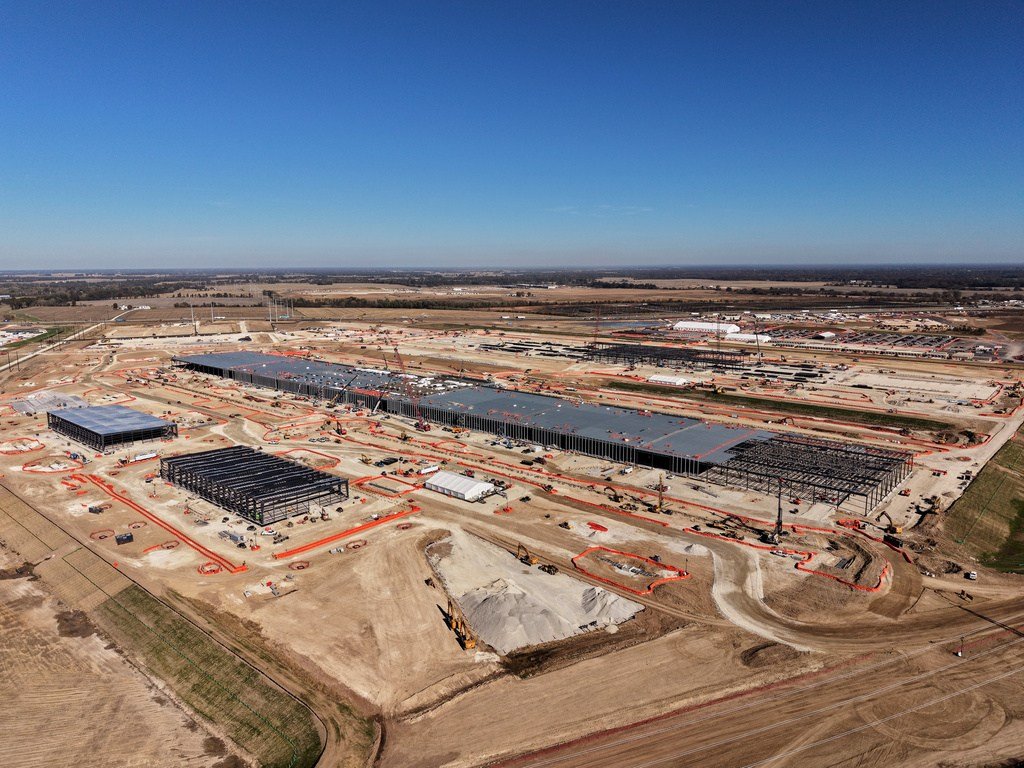
Lawmakers filed back into the Capitol on Monday after a bruising midterm election that stripped Republicans of both chambers, setting the stage for a contentious lame-duck session. The GOP's stunning reversal of fortune has left the party scrambling to recalibrate, with President Trump already signaling a combative posture.
Trump’s impromptu briefing
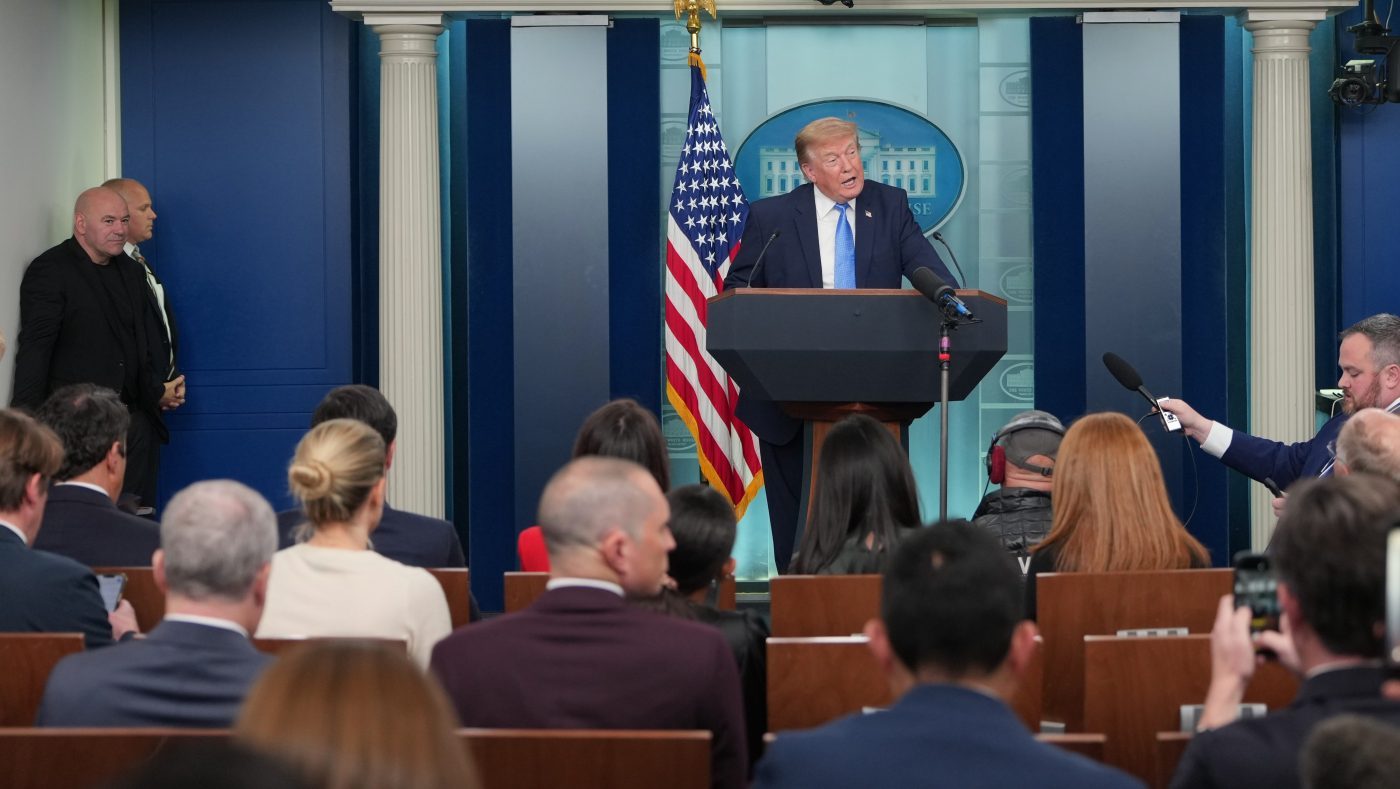
Shortly after Congress gaveled back in, President Trump stepped before cameras for an unscheduled briefing. He offered a rosy assessment of the military standoff with Iran, declaring that Tehran's operations were “effectively done,” and claimed progress in peace talks to end the Russia-Ukraine war. Trump did not take questions, but he brought UFC CEO Dana White to the podium—a move that fueled speculation after Trump floated over the weekend that White could replace the current press secretary. The president later dismissed that as a joke.
Massie’s impeachment push
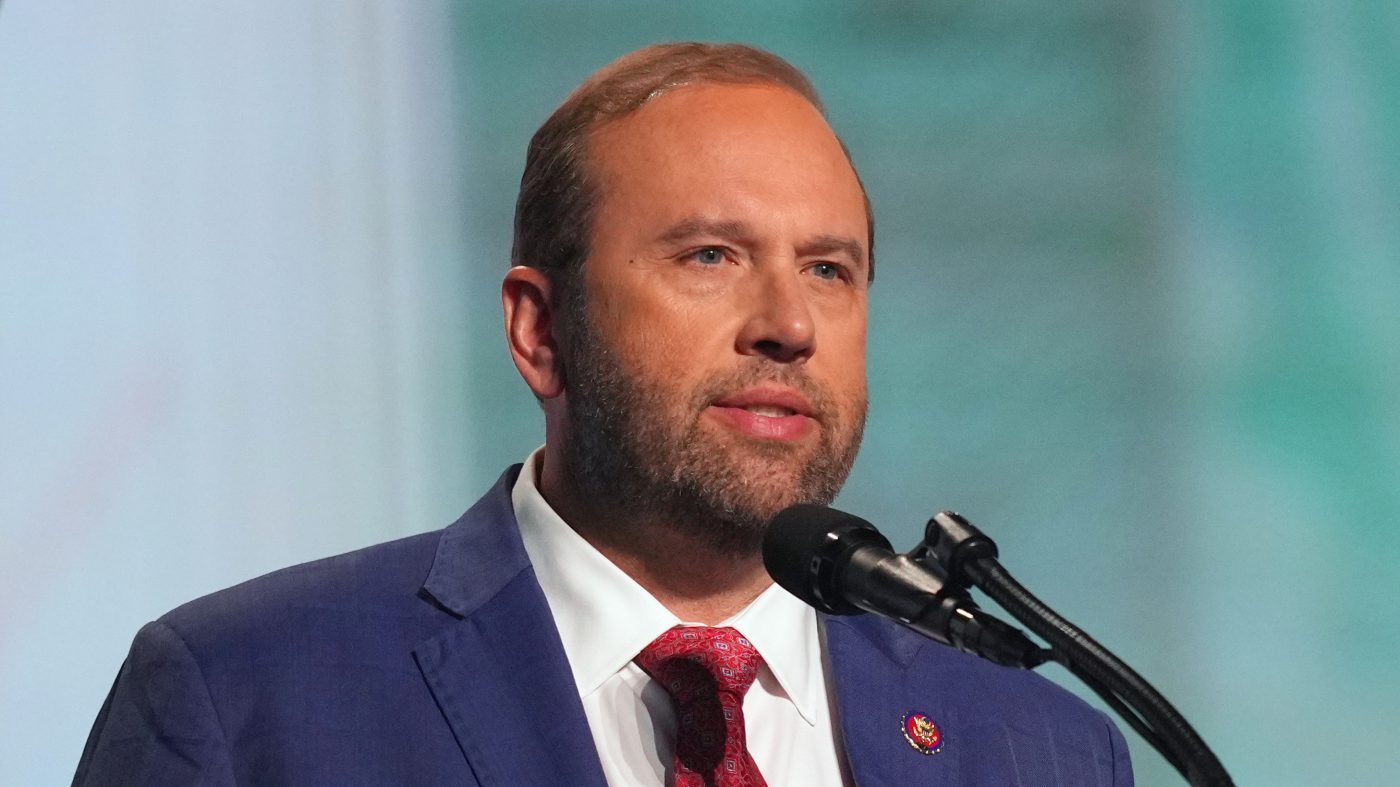
On the House floor, Rep. Thomas Massie (R-Ky.) followed through on his threat to introduce articles of impeachment against Defense Secretary Pete Hegseth. Just after 2 p.m., Massie read the articles aloud, citing Hegseth’s handling of the Iran conflict. Hegseth, who earlier dismissed the effort as not “worried,” announced he would hold a press conference Tuesday morning to address the matter. The move puts House Republicans in an awkward spot, as they must decide whether to take up the measure or sideline it.
Trump’s shift on immigration?
In a separate interview with CBS’s “60 Minutes” aired Sunday, Trump acknowledged his immigration policy “might be too tough” and expressed a willingness to work with Democrats—a notable concession after the GOP’s historic defeat. But his actions may tell a different story: recent personnel moves suggest a hardline shift rather than a pivot to the center.
Senate GOP’s fury and a packed agenda
Senate Republicans are openly furious with Trump, blaming him for the loss of both chambers. The lame-duck agenda is daunting: lawmakers must fund the government by Dec. 11, assemble a reconciliation package to finance the Pentagon and other Trump priorities, and confirm several judicial nominees. The president’s post-election path could involve veto threats and executive actions if Congress stalls.
Meanwhile, House Democrats are expected to use their new majority to press investigations, including forcing a vote on Hegseth’s impeachment—a scenario that would put Republicans on record. The election results have given Democrats a governing mandate, and they are unlikely to let the GOP forget it.
As the week unfolds, all eyes are on Trump’s next moves—whether he will embrace legislative deals or double down on the hardline stances that defined his first term. The coming days will test whether the GOP can navigate a divided government while managing internal fractures.