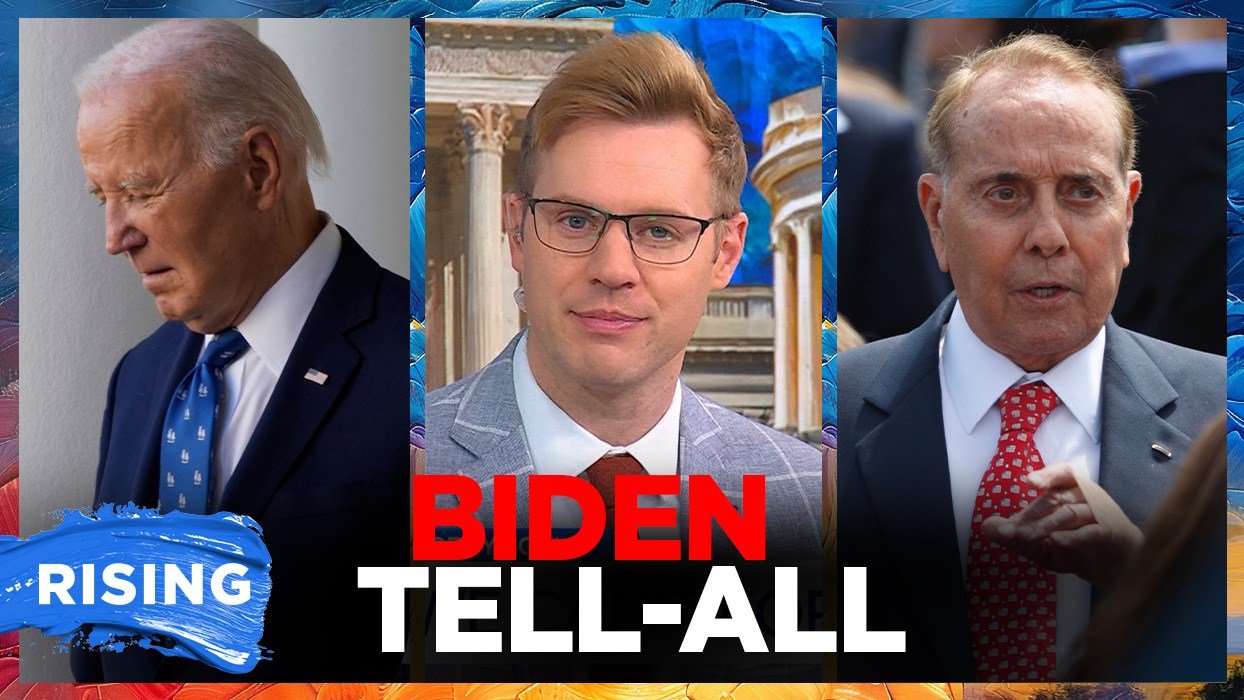
Former President Joe Biden's upcoming memoir, Promise Me, America, was intended to offer his personal account of the 2024 race and his decision to withdraw. But the rollout has taken an unexpected turn: Biden will not narrate the audiobook, and his promotional schedule has been sharply curtailed. In a social media announcement, Biden revealed that he is undergoing treatment for cancer, a diagnosis that has forced him to scale back public appearances.
“While writing the book, I was diagnosed with cancer, a disease known all too well to millions of Americans and their families,” Biden wrote. He added that his doctors remain optimistic about his response to treatment, but acknowledged that “some days are better than others” and that the illness has “slowed me down.” As a result, he said, “I won't be able to do as many conversations about my book as I'd hoped.”
The news has reignited a contentious debate about Biden's health and the circumstances surrounding his 2024 exit. Critics point to a troubling pattern: reports from the final year of his presidency described Cabinet meetings he skipped, confused wandering at events, and even tape arrows on the floor to guide him at donor gatherings. Now, new details from Alex Thompson and Kate Tapper's book Original Sin allege that in 2024, Biden appeared to forget that former Senator Bob Dole had died years earlier, and seemed to believe his son Beau was still alive and battling cancer.
Biden's team maintains that the cancer diagnosis came only after the election, and that his health was not a factor in his decision to step aside. But for many observers, the current situation underscores what they see as a failure of transparency. As Josh Barro noted on X, “Biden is 'allowed' to do whatever he wants. It's just notable that Biden wanted to be the Democratic nominee again when he lacks the capacity even to narrate his own audiobook.”
This is not merely a retrospective concern. We are now halfway through Donald Trump's second term—a term Biden had sought. Had his team successfully concealed his declining health and he had won, he would be in the White House today. Given his current condition, it's difficult to imagine him completing the term, and Vice President Kamala Harris would likely have assumed the presidency by now.
The broader political implications are significant. Biden's situation has become a cautionary tale about the risks of shielding a president's health from public scrutiny. It also feeds into ongoing debates about age and fitness for office, a topic that remains central to American politics. As Biden trims his memoir tour, the focus inevitably shifts back to the 2024 election and the questions that were never fully answered.
For now, Biden's focus is on his recovery. “I'm hopeful the words on the page speak for themselves,” he wrote. But the words on the page may not be enough to quiet the critics who argue that the American people were misled about his ability to serve another four years. The episode has left a lasting mark on his legacy, and it raises uncomfortable questions about the integrity of the political process.
As the book hits shelves, readers will be looking for Biden's own version of events. But the circumstances surrounding its release—his inability to narrate it, the reduced schedule, and the fresh reports of memory lapses—ensure that the story will be as much about his health as about his presidency. For many, it is a reminder of how close the nation came to a very different outcome.