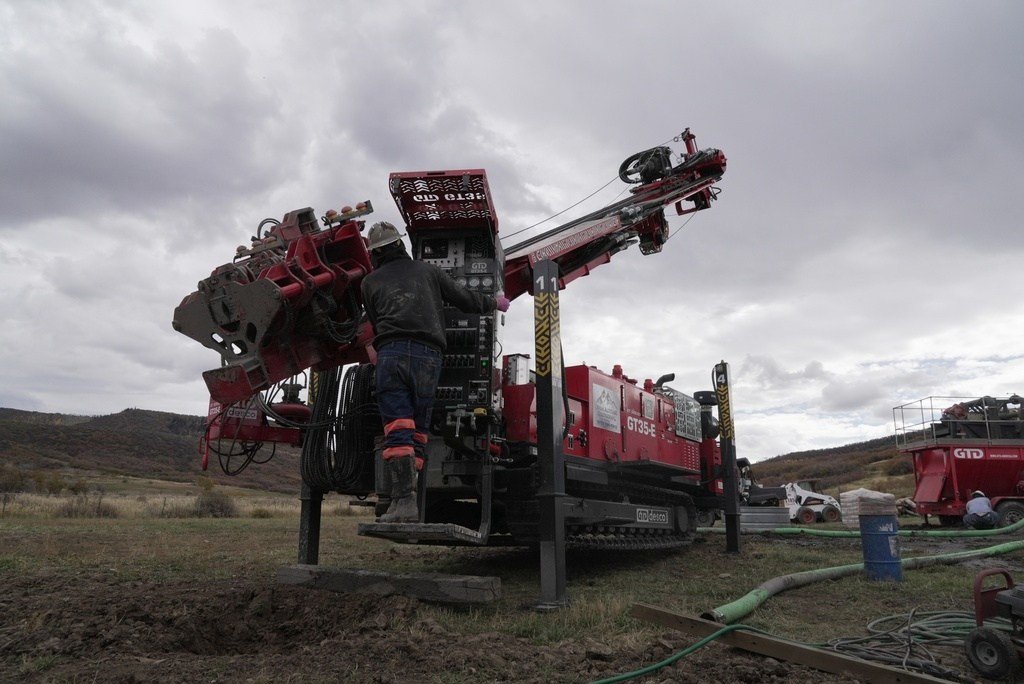
In an era where energy choices have become cultural battlegrounds—fossil fuels for the right, renewables for the left—geothermal power stands out as a rare point of agreement. It is a domestic, low-carbon source that can run around the clock, appealing to both drill-baby-drill advocates and climate-conscious voters. Yet its potential remains largely untapped, and a key reason is the federal government's own permitting process.
Geothermal currently generates just 0.4% of America's electricity, despite estimates that it could supply up to 20% by 2050. The Earth's heat is virtually limitless, but the challenge lies in reaching it affordably and efficiently. The Bureau of Land Management and other agencies oversee leasing and permitting on federal lands, where most of the best geothermal resources are located. According to government research, permitting laws add significant time, cost, and risk to geothermal development.

To expedite low-impact projects, Congress created categorical exclusions (CXs) for certain activities that have minimal environmental effects. Geothermal exploration—often involving small temporary probes—seems like a perfect fit. However, the fast lane is far from fast. A new analysis found that 8% of geothermal CXs took over a year to approve, and many projects wait several months just to begin. Unlike environmental assessments (which have a one-year deadline) and environmental impact statements (two years), CXs have no statutory deadline.
This bureaucratic bottleneck has real consequences. Every month of delay pushes back the eventual power plant, and investors grow wary of sinking money into a project that might not get off the ground. As energy permitting reform becomes a hot topic in Congress, the geothermal industry is watching closely. A simple fix—imposing a deadline on CXs, as was done for other review types—could unlock the sector's growth.
The political appeal of geothermal is undeniable. It offers the right a chance to drill for American energy independence, while giving the left a reliable, low-carbon power source. It avoids the visual footprint of solar farms and wind turbines, and it doesn't require the same level of land disturbance as oil and gas extraction. In a polarized climate, geothermal is a purple solution.
But the current permitting system is a bipartisan failure. Both Republicans and Democrats have expressed frustration with bureaucratic delays, and energy prices remain a top voter concern. Streamlining geothermal exploration permits could be a rare win-win, easing supply constraints and reducing emissions without igniting a culture war.
As the Biden administration pushes for a clean energy grid, and as lawmakers debate how to stabilize energy prices, geothermal deserves a closer look. It is not a silver bullet, but it is a practical piece of the puzzle. The question is whether Washington can get out of its own way and let the Earth's heat flow.