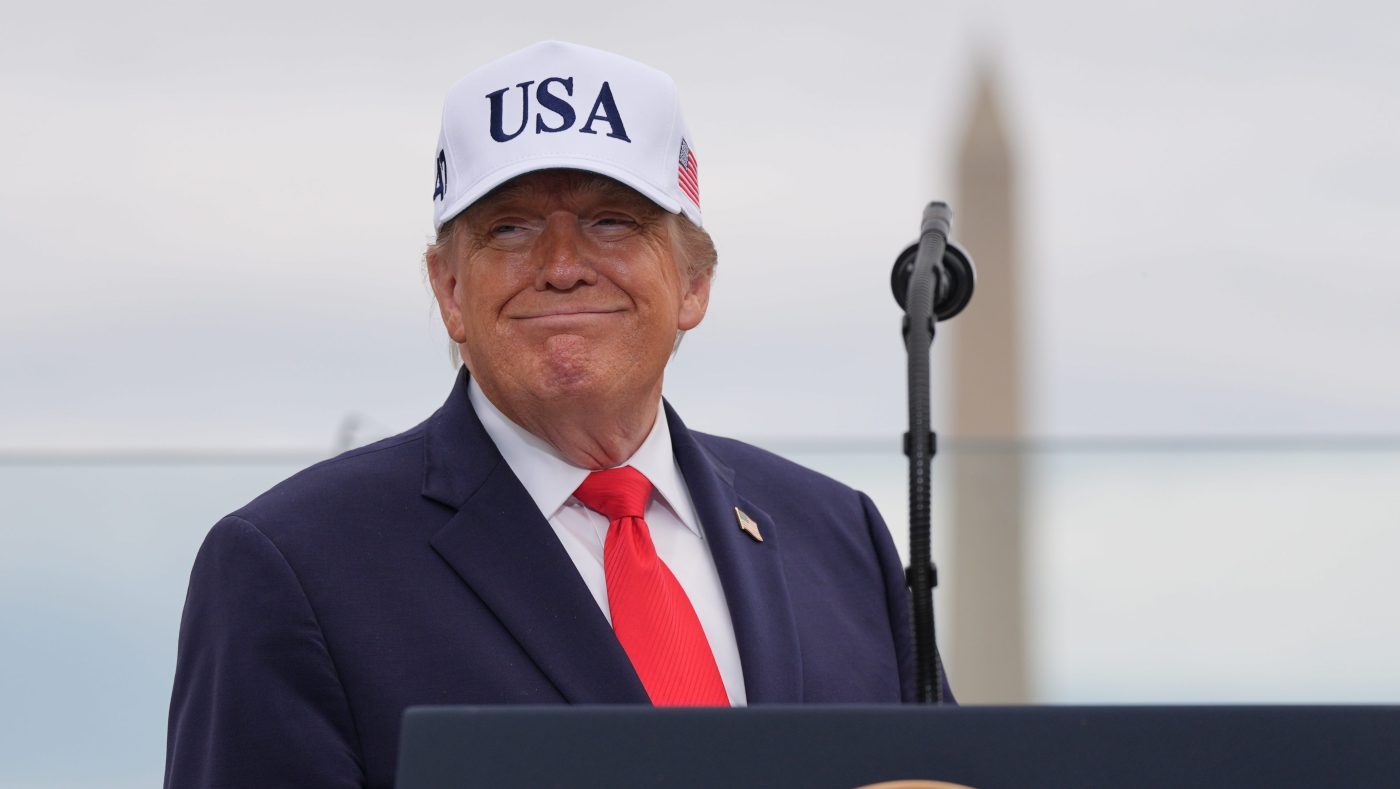
Energy Secretary Chris Wright said Tuesday that Americans can expect relief from soaring fuel costs, arguing that current high prices will naturally spur greater supply and bring costs down. In an interview on Fox Business’s “Big Money in the Morning,” Wright said the Trump administration is collaborating with energy producers to restart idled refineries and expand existing operations.
“This is what capitalism’s all about. The markets are sending that price mechanism as well,” Wright said. “Prices are high. The best cure for high prices is high prices, it grows supply.”
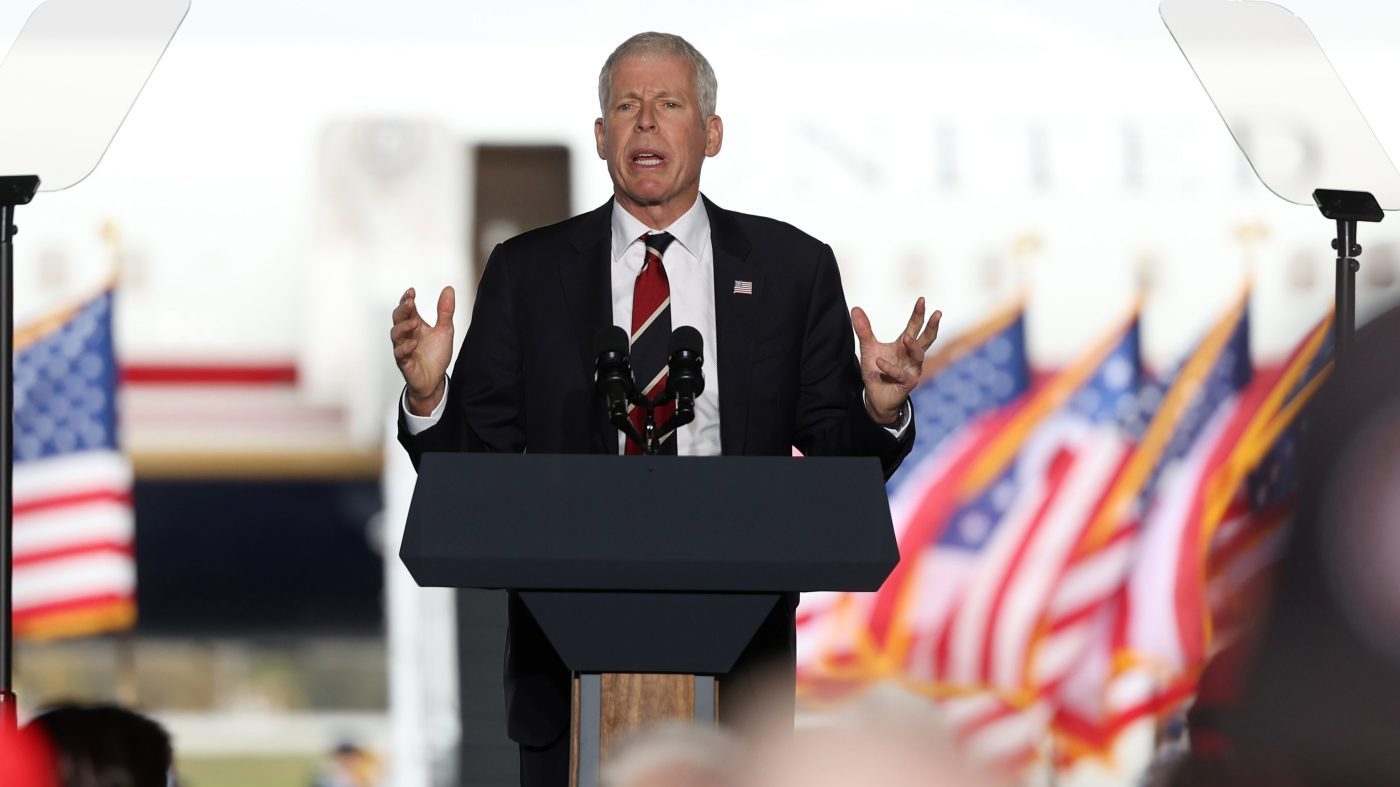
The remarks come as gas and diesel prices have climbed amid the Iran war, with the Islamic Republic’s restrictions on shipping through the Strait of Hormuz disrupting global energy flows. According to AAA, the national average for gasoline stands at $4.15 per gallon, while diesel costs about $6.29 per gallon. Those figures have set a new Election Day record, according to Patrick De Haan, head of petroleum analysis at GasBuddy.
The price surge poses a political challenge for Republicans as voters head to the polls Tuesday to decide control of Congress for the remainder of President Trump’s term. Rising fuel costs have already fueled voter anxiety, as seen in recent polling, and could influence several key races.
Wright, however, offered an optimistic outlook. He noted that refined product exports from the Persian Gulf are increasing and predicted that energy production in both India and the United States will rise, leading to lower prices. “Gasoline and diesel prices peaked in September, they’re on their way down, and they will continue down meaningfully in the months ahead,” he said.
Wright’s comments echo a broader administration message that market forces will resolve the affordability crunch. The White House has pointed to recent oil price declines as a sign of progress, even as it touts its Iran policy on the campaign trail.
Still, the timing is precarious. With inflation already ticking up due to energy costs, the Federal Reserve has held rates steady, rebuffing calls for a hike. The central bank’s cautious stance reflects concerns that energy-driven inflation could dampen economic growth.
For now, the administration is betting that supply-side responses will deliver relief. Whether that materializes before voters render their verdict is another matter.