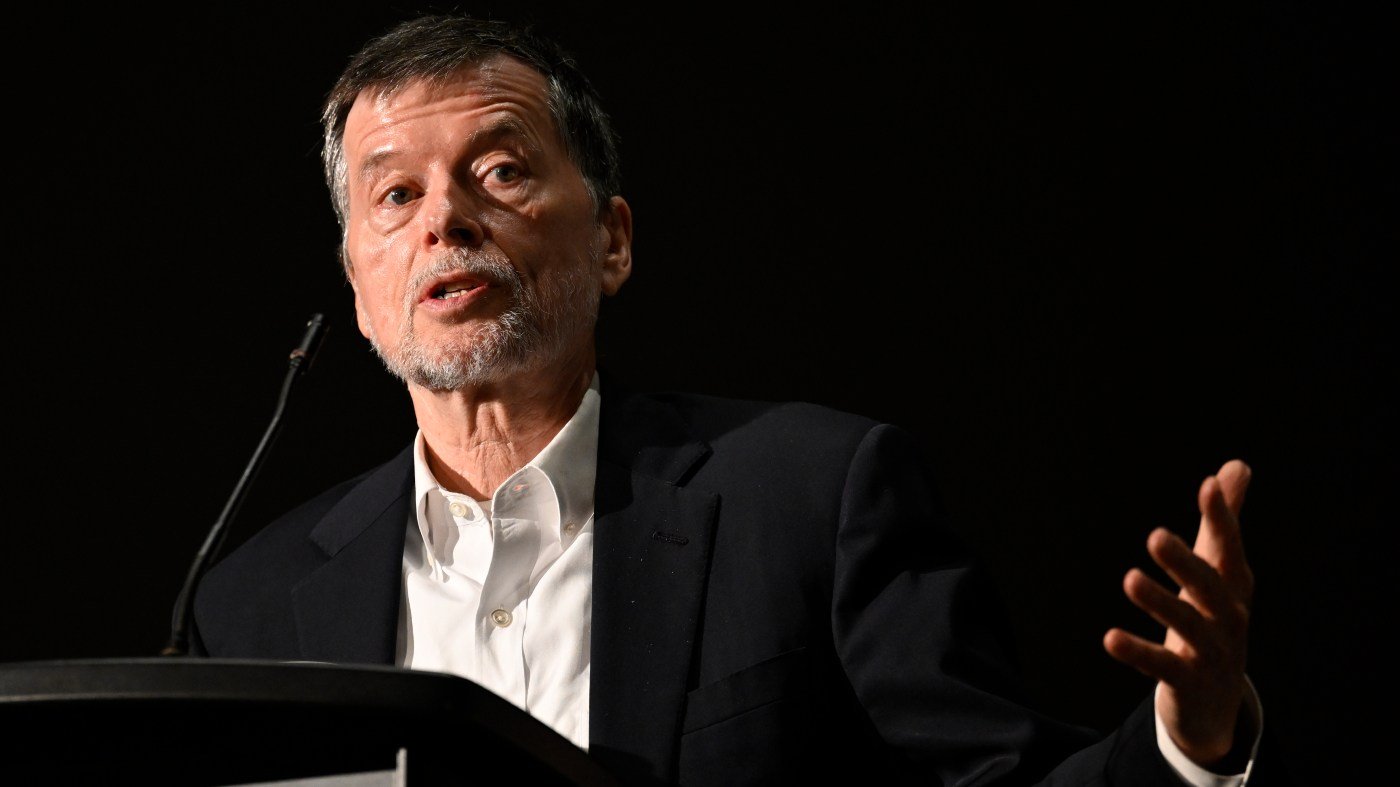
Historian and filmmaker Ken Burns issued a stark warning on Election Day, arguing that the midterm elections represent far more than a routine referendum on the president's agenda. In a New York Times op-ed published Tuesday, Burns described the current moment as the nation's fourth great crisis, placing it alongside the Civil War, the Great Depression, and World War II.
Burns accused the Trump administration of deliberately spreading misinformation to erode the rule of law and deepen divisions that threaten the country's democratic foundations. He wrote that while earlier crises were weathered through peaceful transfers of power and an independent judiciary, those safeguards are now under extraordinary pressure.
"Elections are in doubt, the highest court seems compromised, history has been distorted, books have been banned, and dictators have been coddled while our closest allies have been ridiculed and dismissed," Burns wrote. "People are rightly concerned whether our institutions are at a breaking point."
The filmmaker, whose latest PBS documentary series explores the American Revolution, said his nearly decade-long research into the founding era underscored how fragile democracy can be and how dangerous it is to concentrate power in the executive branch. He argued that the founders would be deeply disappointed by lawmakers who have voluntarily surrendered their constitutional authority to the White House.
"I think the founders would be hugely disappointed that so many members of the legislative branch have ceded so much power to the executive branch, which has filled that vacuum with corruption and assaults on the rule of law, even undermining the fundamental right to vote," Burns wrote.
He pointed to the January 6, 2021, attack on the Capitol and the continued influence of election denialism within the Republican Party as evidence of democratic decline. His concerns echo broader anxieties about legal warfare after the midterms and efforts to challenge results.
Despite his alarm, Burns expressed optimism that Americans can overcome the current political moment, citing earlier periods of upheaval such as Reconstruction and the Vietnam War. He urged voters to assess whether candidates are committed to upholding the Constitution rather than simply advancing a party agenda.
"Most midterm elections are seen as referendums on the policies of the president. This one is no different. But there's something more fundamental at stake here, beyond policy differences," Burns wrote. "This election is about the people — who are empowered to check our chief executive — and the candidates running for Congress, who either have sworn an oath to the Constitution or hope to do so."
He added that whether candidates are prepared to honor that oath should matter enormously to anyone who values the American idea. Burns's intervention comes as voters head to the polls amid heightened scrutiny of presidential overreach and constitutional limits, with many wondering if democratic institutions can withstand the strain.