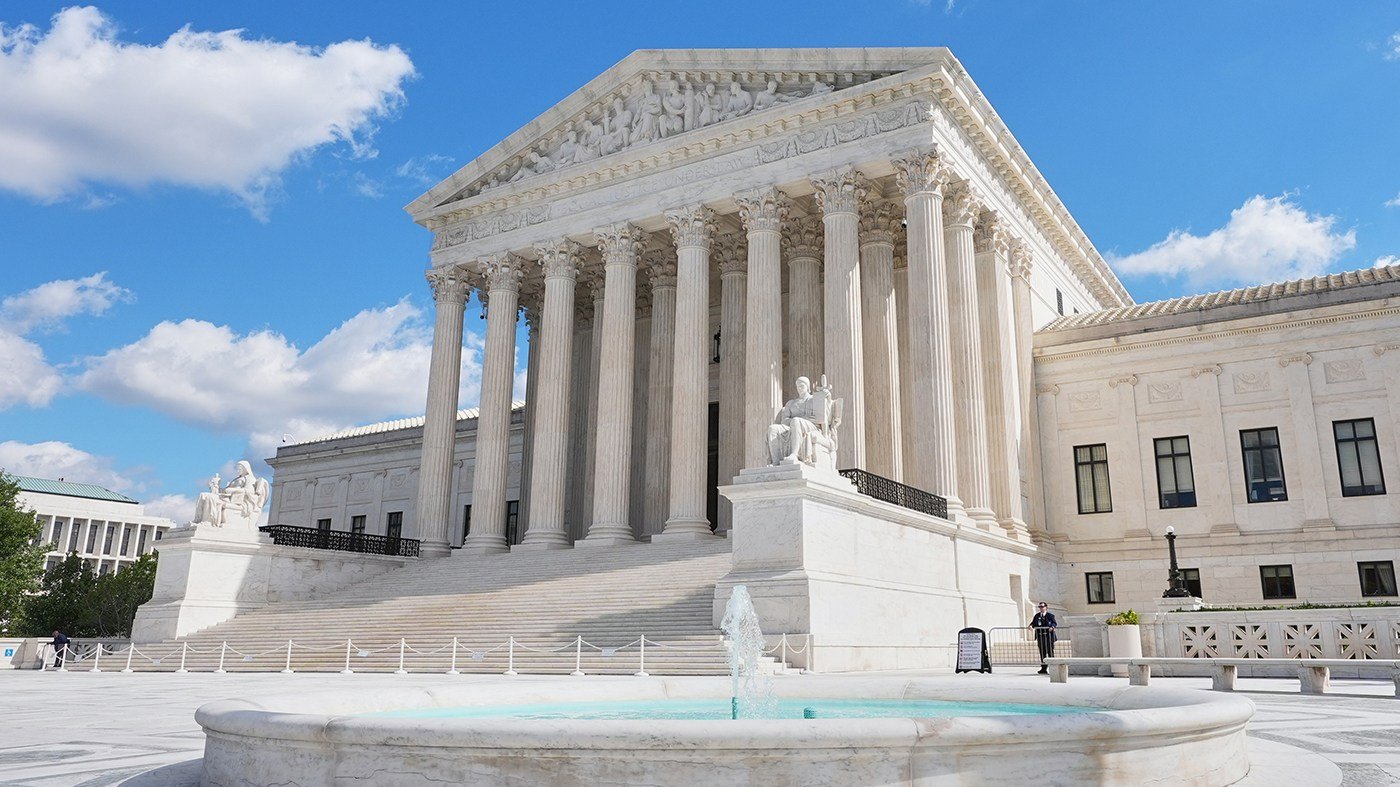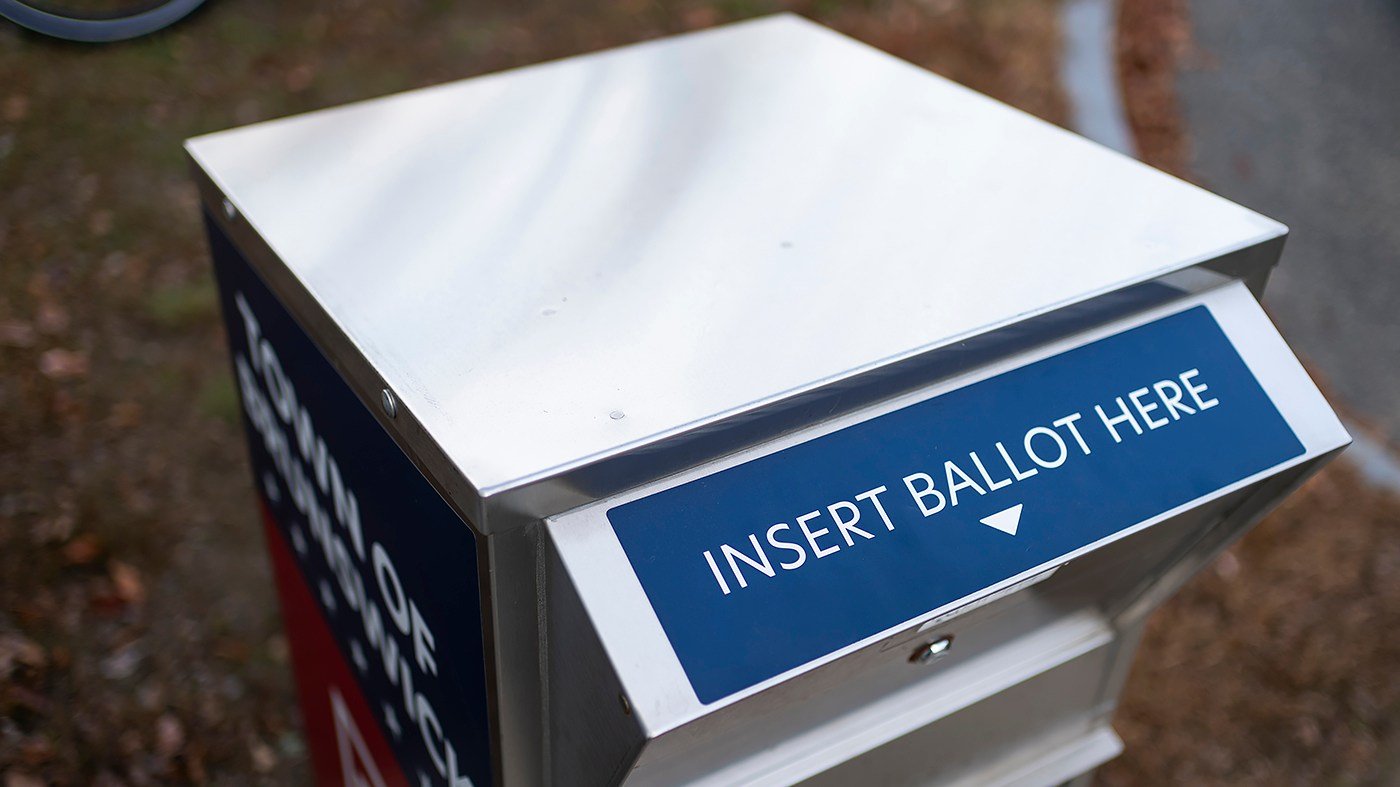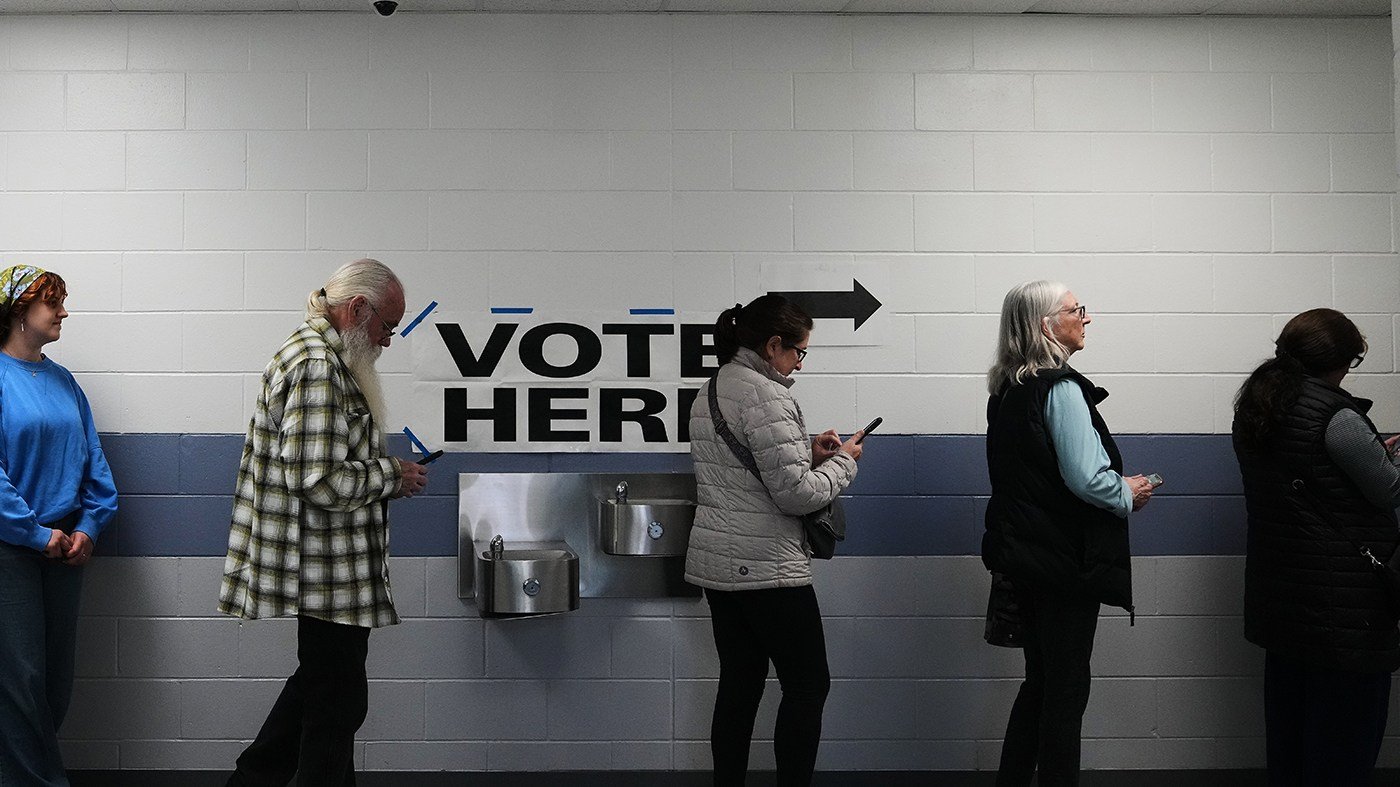
As voters head to the polls for Tuesday's midterm elections, National Guard units in at least seven states are taking on roles that range from monitoring ballot drop boxes to defending election networks. The deployments come amid heightened scrutiny over election integrity and concerns about the militarization of the voting process.
In Washington state, plainclothes Guard members will be stationed near ballot boxes in seven counties under a program Governor Bob Ferguson (D) introduced last month as an "Election Neighborhood Watch." Approximately 100 troops are involved. Ferguson cited a 2024 incident in Vancouver, Wash., where an incendiary device damaged hundreds of ballots, as well as recent white powder scares at election offices, to justify the precaution.
Iowa's Guard will collaborate with Secretary of State Paul Pate on cybersecurity, using its "specialized cybersecurity expertise, technical capabilities and operational experience" to identify threats and bolster defenses, according to Brig. Gen. Mark Kappelman. Colorado Governor Jared Polis (D) has also ordered Guard assistance with election cybersecurity, and North Carolina's Joint Cyber Security Task Force will monitor networks alongside the state's Emergency Operations Center.
Alabama and Oklahoma have already used Guard specialists after suspicious white powder packages were mailed to election offices last month. Arizona has confirmed Guard involvement but has not detailed its scope. In Washington, D.C., the Guard remains deployed and will patrol on Election Day, though city officials have requested troops avoid placing themselves near mail ballot drop boxes.
The military's role in elections has drawn pushback. A survey by the German Marshall Fund's Democracy and Security Network found that 59% of Americans oppose using federal troops to monitor or administer elections. Researcher Loren Voss said there is a generalized fear of federal interference, whether from the Guard, ICE, or the FBI, and that military presence at polling sites only heightens that concern. "This is just another instance of using the National Guard for something that should be a civilian mission," she said. "That is just so fraught for the potential of people thinking that there's something untoward going on. You just shouldn't take that risk."
Federal law generally prohibits armed personnel at polling places unless an attack occurs, but state governors have increasingly called on the Guard for cyber and logistical support in recent cycles. In 2022, 14 states used the Guard; that number rose to 15 in 2024. This year, seven states have publicly acknowledged their involvement.
Democratic lawmakers have expressed alarm that the Trump administration might use the military or ICE to intimidate voters or seize voting machines. Trump told the New York Times in January that he regretted not ordering the Guard to take machines in swing states after his 2020 loss. DHS officials have stated they have no plans to send ICE officers to patrol polls.
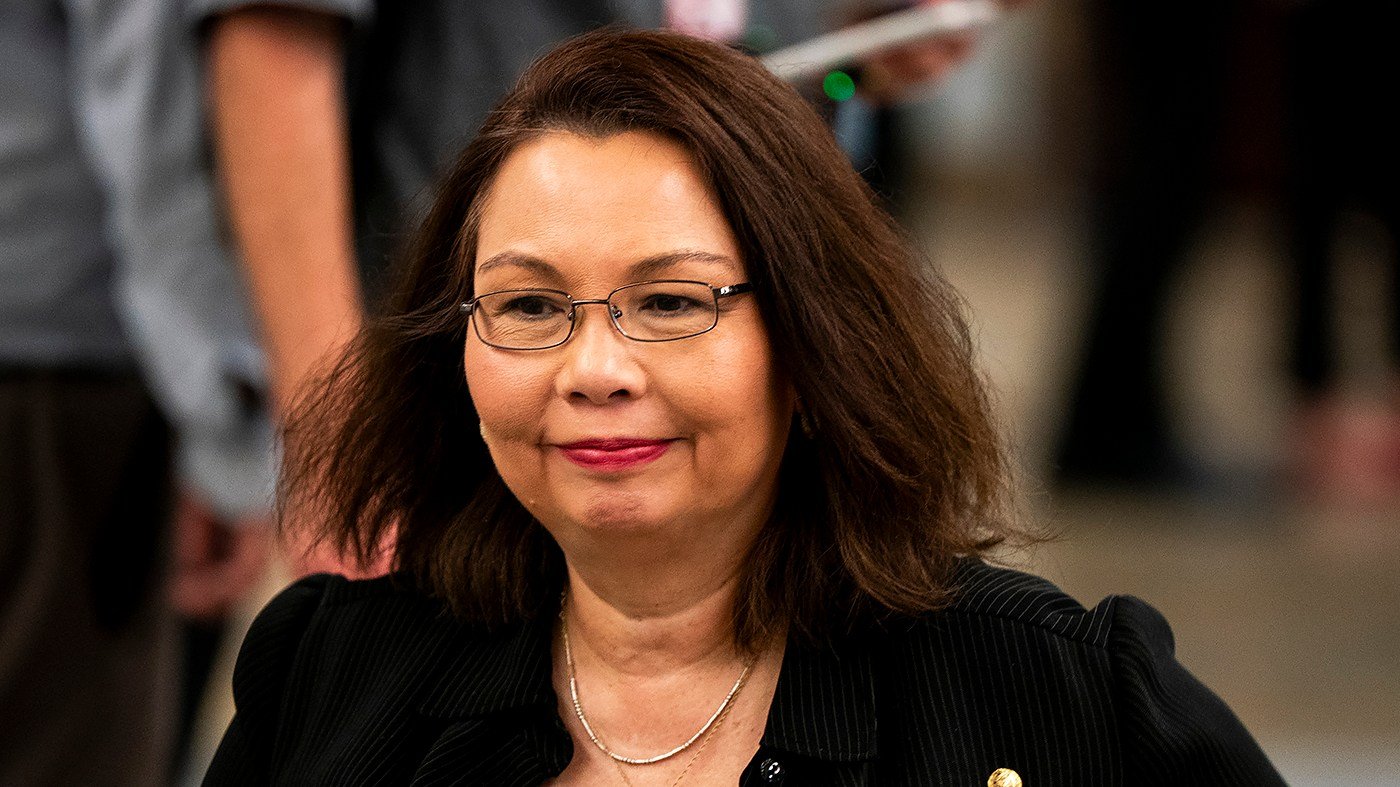
Senator Elissa Slotkin (D-Mich.), a member of the Senate Armed Services Committee, has sent letters to Attorney General Todd Blanche, DHS Secretary Markwayne Mullin, FBI Director Kash Patel, and National Guard Chief General Steven Nordhaus requesting details on any military election activities. The responses remain pending as the midterms approach, with the outcome likely to shape the debate over the military's role in American democracy. For more on the political stakes, see this analysis of the midterms' impact on Congress and coverage of Trump's final campaign rally.