Americans head to the polls Tuesday to select their representatives at every level of government, but the marquee contests are for control of Congress. The results will determine the makeup of the 120th Congress, with possibilities ranging from a unified Democratic or Republican government to a split—most likely with Democrats taking the House and Republicans holding the Senate.
Yet the deeper question is whether the new Congress, whatever its composition, can actually address the issues that voters rank highest. According to Bloomberg, affordability—covering the economy and the cost of living—and corruption, fueled by widening inequality, are the top concerns, followed by the ongoing war in Iran. Prices for everything from airline tickets to healthcare to allergy medication like Zyrtec have skyrocketed, stoking economic anxiety.

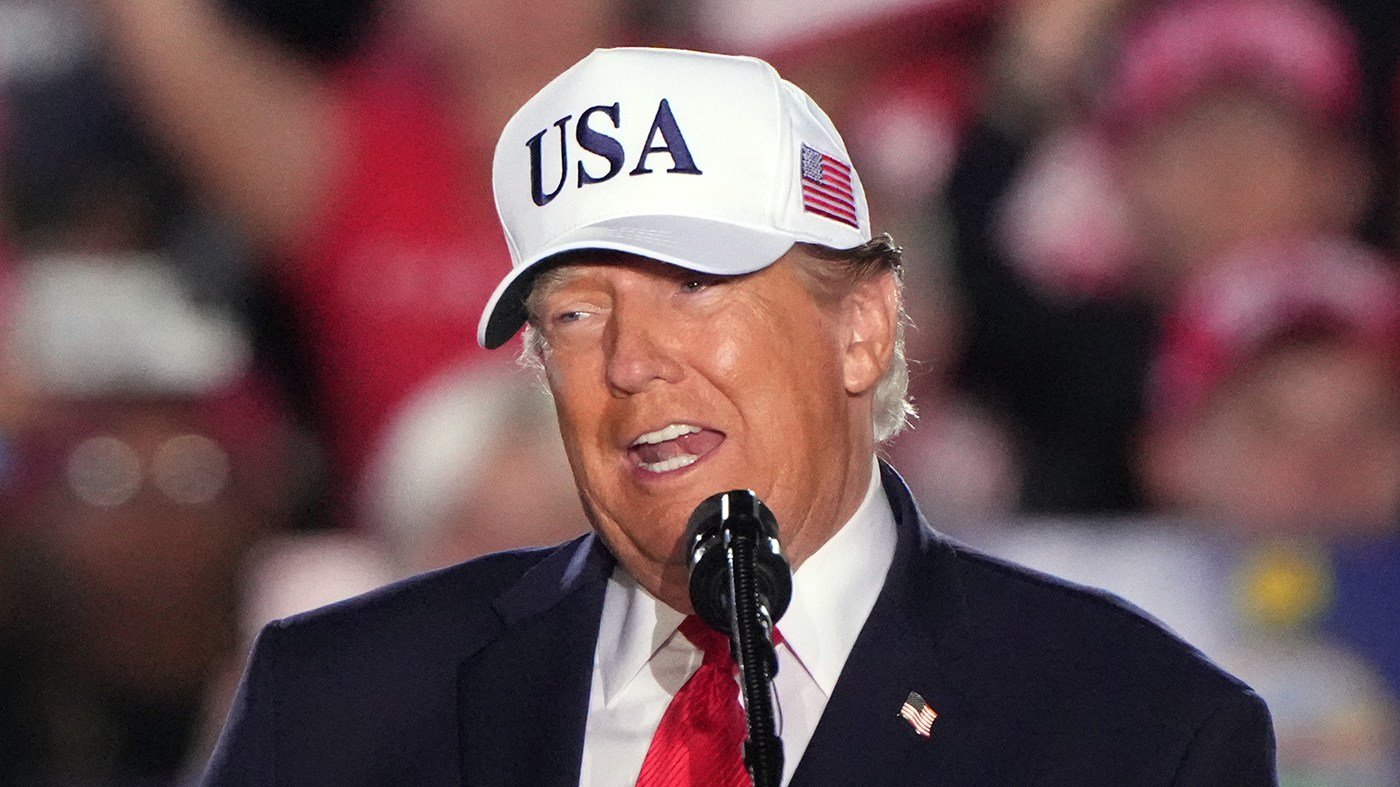
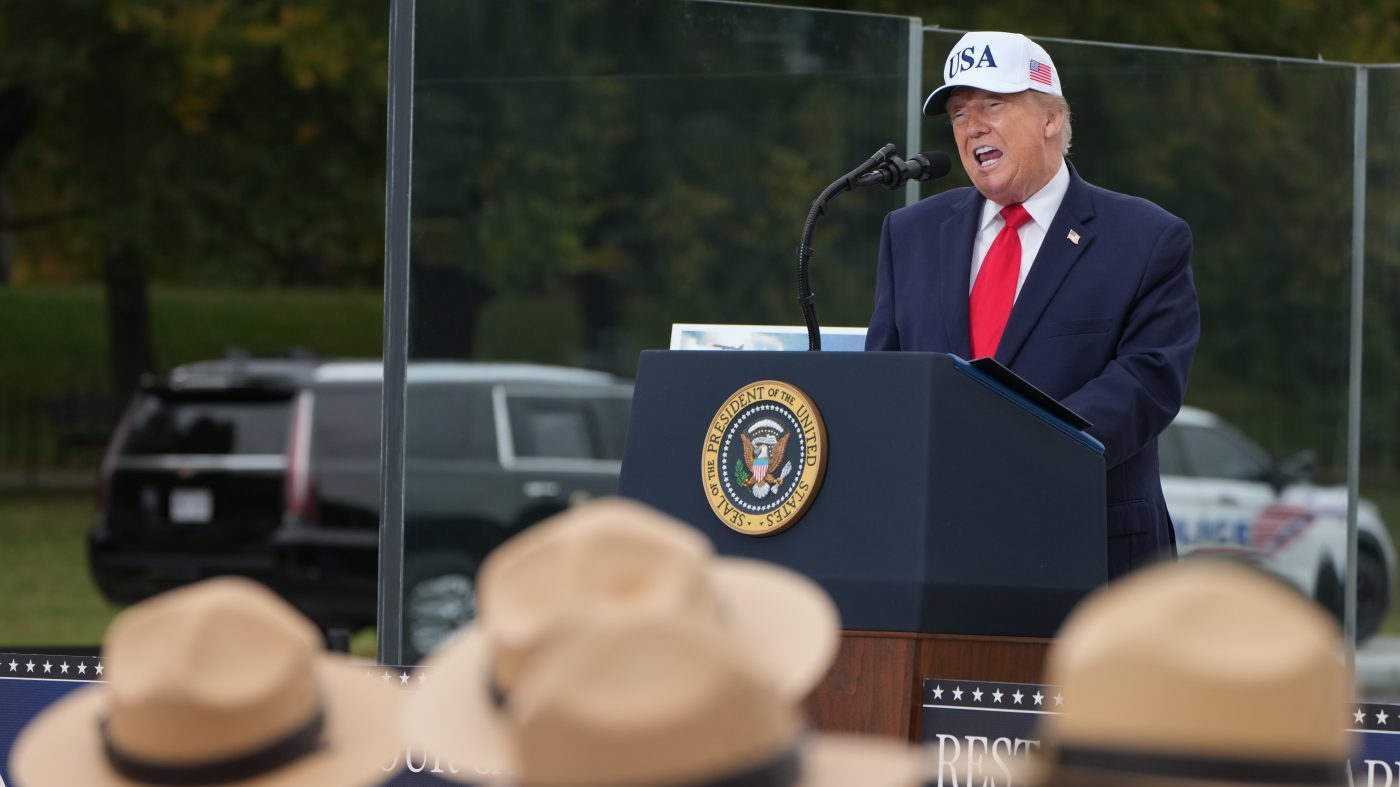
Despite the heated rhetoric and often coarse campaigns, neither party has laid out concrete plans to tackle these problems. The real winner, regardless of the outcome, is President Donald Trump. If Republicans hold both chambers, Congress is likely to remain a rubber stamp, reluctant to challenge a lame-duck president who will play a decisive role in choosing his successor. If Democrats take the House or both chambers, Trump will blame them for gridlock and double down on executive orders as his primary governing tool, daring courts to stop him.
A Democratic House might launch investigations, but a third impeachment is unlikely without a Senate majority and the 67 votes needed for conviction. Instead, Democrats would target lower-level officials, such as the Defense Secretary, for scrutiny. But investigations alone won't solve the nation's problems.
Take affordability. High energy and fertilizer costs stem directly from the war with Iran and the cutoff of Persian Gulf oil and nitrates. Only the president can end that war, unless Congress invokes the War Powers Act—but Trump could veto any such measure. Overriding a veto requires a two-thirds majority, which seems improbable. Congress could cut off funding, as it did during Vietnam, but Trump has shown he can shift funds within the budget to circumvent such restrictions.
On corruption, setting ethical standards is nearly impossible. Trump can claim his assets are in a blind trust, and his sons and son-in-law are private citizens free to make deals. As for money in politics, the Supreme Court's Citizens United decision treats campaign spending as free speech, making Elon Musk the second-most powerful man in America. Musk has poured nearly half a billion dollars into buying congressional seats—a pittance for a trillionaire—and ironically holds the key to ending the Russia-Ukraine war by controlling Starlink access.
Democrats and independents argue that Trump's policies—tariffs, immigration crackdowns, tax cuts for the rich, and unnecessary wars—have damaged the country in under two years. But without legislation that can pass and survive a veto, they may have to wait until 2028 to see real change. The question is whether the nation can afford that wait.