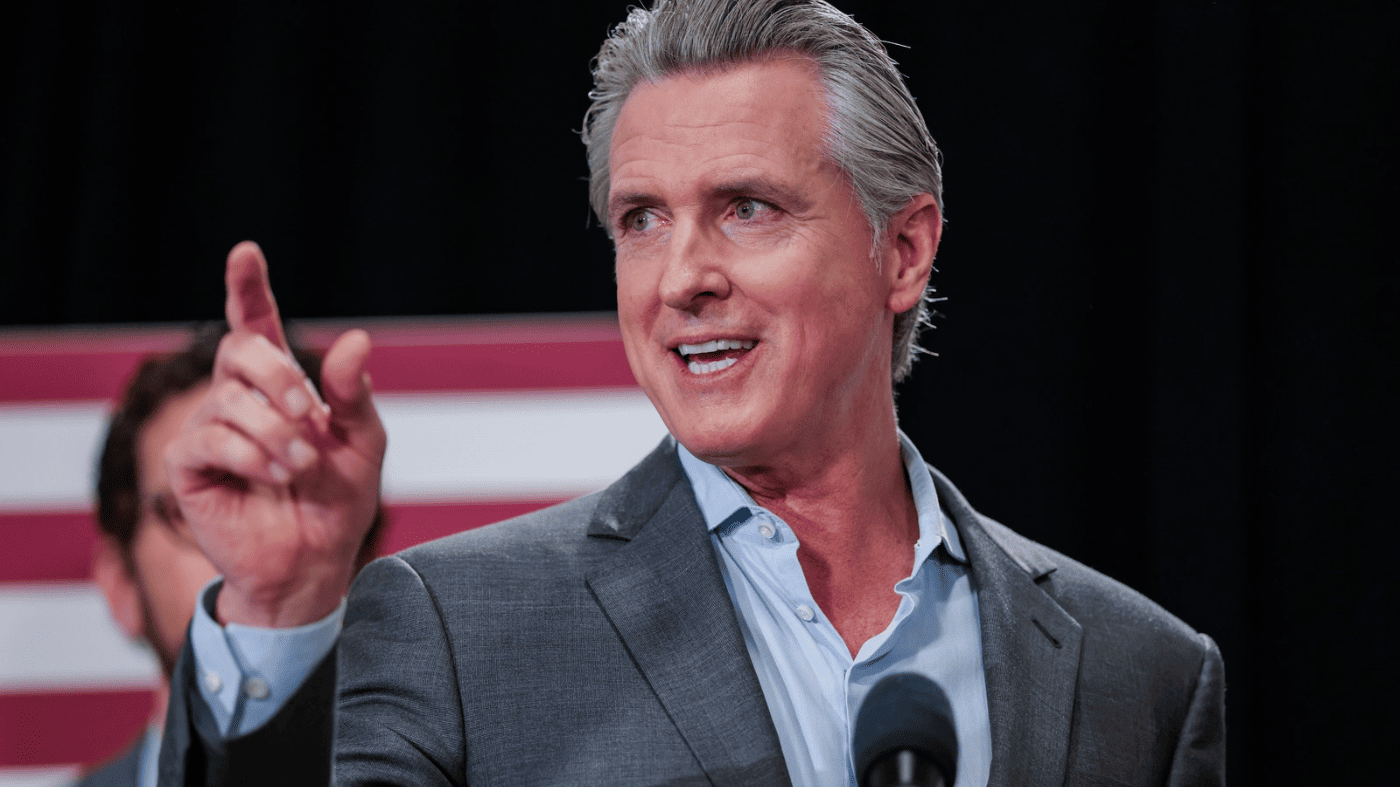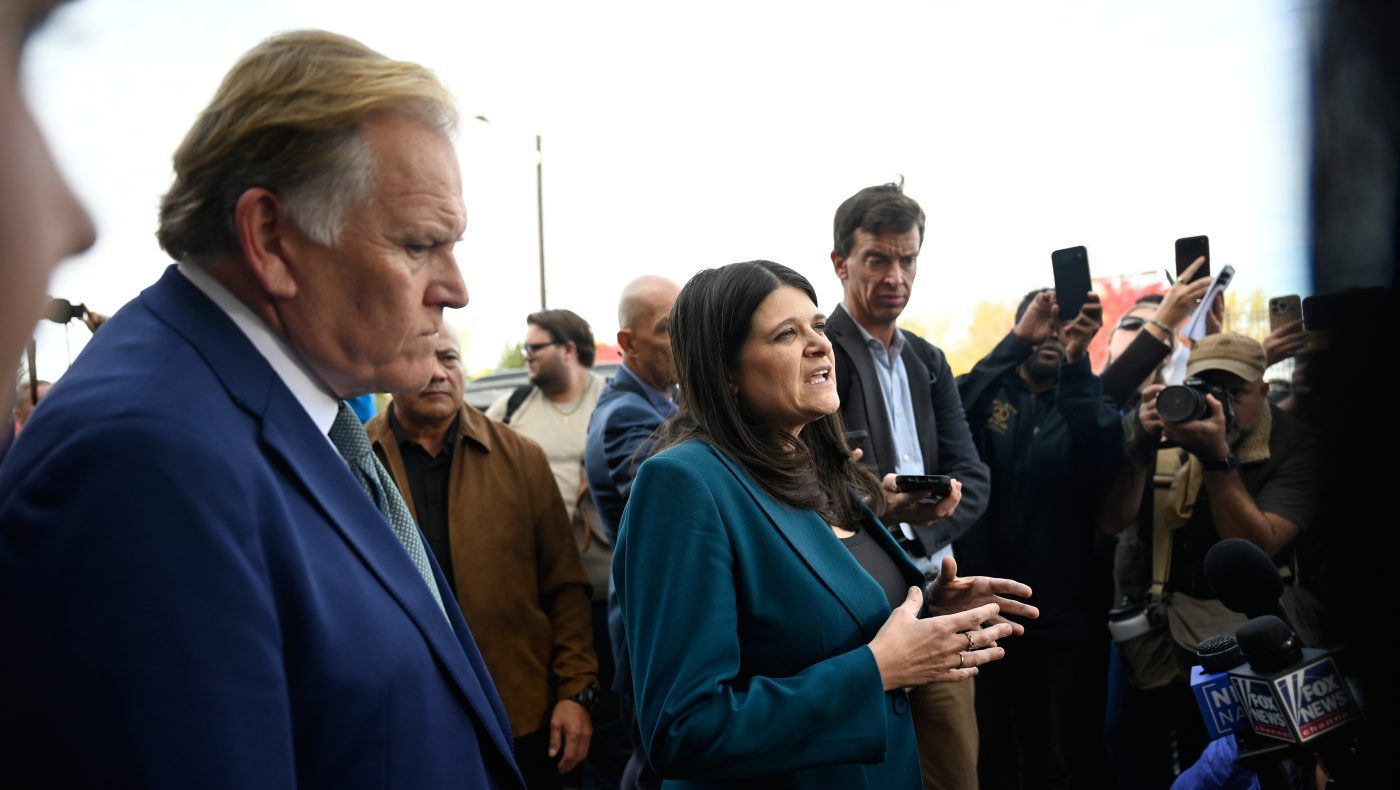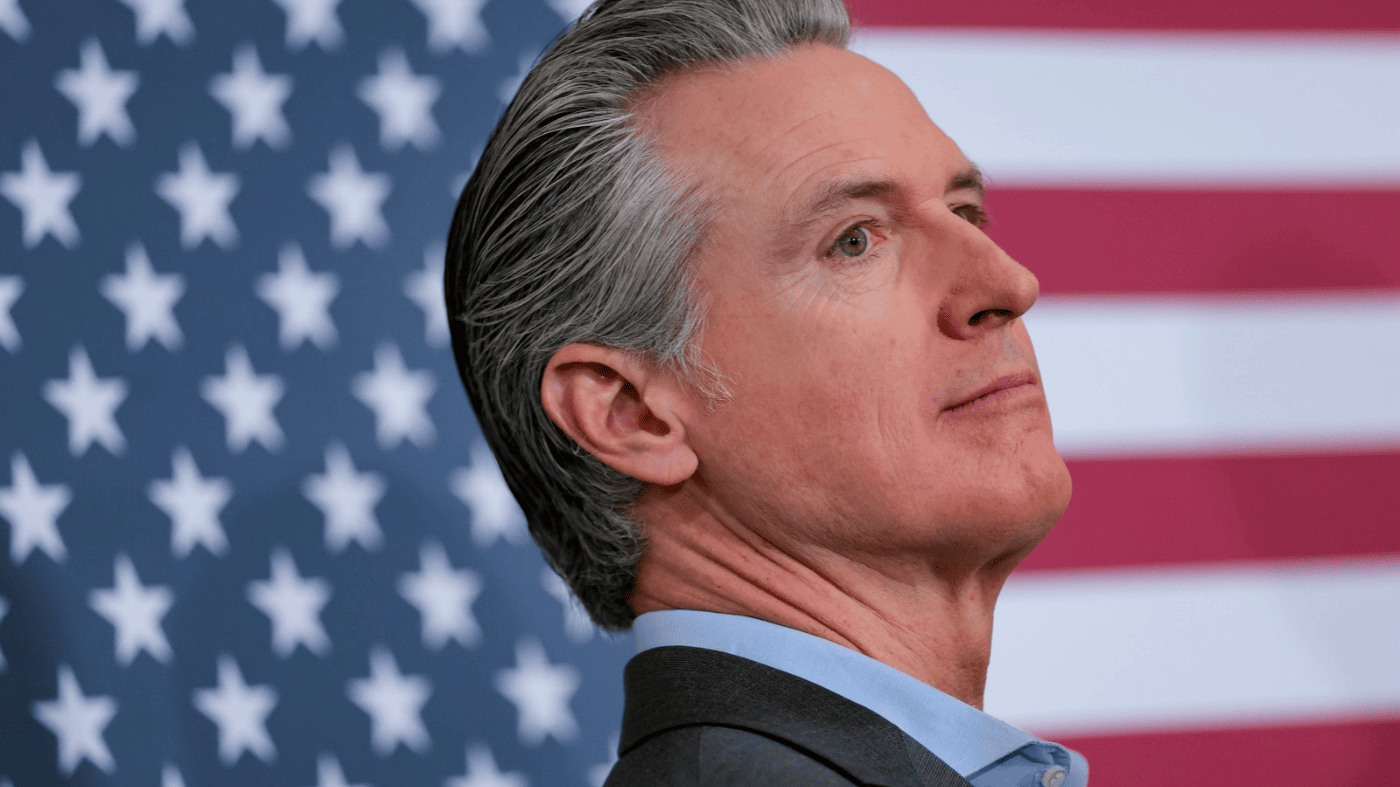
California Governor Gavin Newsom (D) weighed in on the political firestorm ignited by Representative Haley Stevens' (D-MI) last-minute endorsement of Republican Senate candidate Mike Rogers, calling the move “sub-optimal” and warning it could tip the balance in a race that Democrats had hoped to keep in their column.
During an interview on “Decision Desk ’26 Midterm Preview,” a collaboration between 2WAY, The Hill, and NewsNation, Newsom described the endorsement—which came just two days before the midterm elections—as an “October surprise of sorts,” though it landed on November 1st. He acknowledged Stevens' right to make her own choice but made clear he disagreed with her decision.
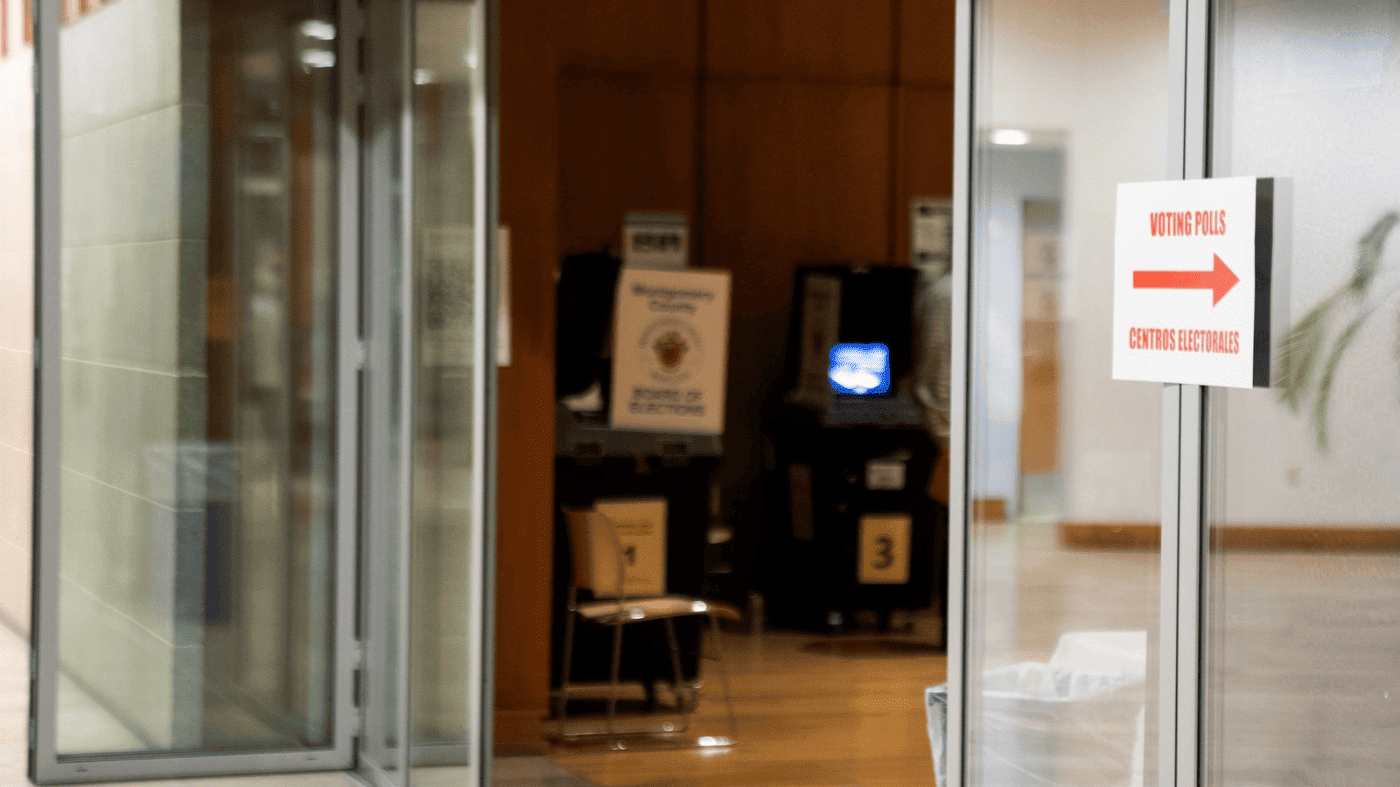
“I don’t know enough about what ultimately led her to make that decision outside of what she said in that video, and she certainly has the right to do that, and I don’t condemn her on that basis,” Newsom said. “I don’t agree with her and made that point clear.”
Newsom, who has been vocal about party unity, suggested the endorsement could become a defining moment in the tightly contested Michigan Senate race. “This was sub-optimal in every way, shape or form, and it’s an opportunity for you and your colleagues, and it’s about all you’ve got, with respect, in terms of this election,” he added, noting that the campaign has been “pretty thin” and “tough.”
He pushed back on any suggestion of a double standard, insisting he wasn’t condemning Stevens’ statement. “That’s her judgment, it was her determination. What’s difficult, and you know this Larry, she went 180 degrees overnight. So something else was going on there,” Newsom told conservative commentator Larry O’Connor, hinting at possible behind-the-scenes factors.
The governor also argued that Stevens had played into Republican hands. “This is exactly the conversation they want people to have,” he said. “She was successful in taking her eye off the ball.” He added that party leadership’s condemnation and attempts to unify were understandable, given the stakes.
The endorsement came after a bitter Democratic primary between Stevens and El-Sayed, who narrowly won the nomination. The two had clashed over U.S. support for Israel amid its military campaign in Gaza, reflecting a broader ideological divide within the party. Sources said Stevens was originally scheduled to appear with El-Sayed at a campaign event before she was dropped, and she instead attended church with Rogers on Sunday.
Republicans quickly celebrated the move. The Republican National Committee (RNC) said Michigan voters “should take notice” and credited Rogers for building a “winning coalition” that includes Democrats. President Trump called the endorsement “BIG” and said he would “love to have” Stevens join the GOP, praising her actions as “the right thing” and “brave.”
Democrats, meanwhile, were furious, with Michigan Democratic Party chair Curtis Hertel declaring that Stevens is no longer a “current member of the Michigan Democratic Party” and “nor will she be in the future.” The backlash has been intense, with several staffers resigning in protest.
Newsom’s comments underscore the national implications of the Michigan race, which is seen as a bellwether for Democratic prospects in the midterms. The governor has been actively involved in key races, recently dispatching his legal team to California contests and warning against potential interference. The fallout from Stevens’ endorsement could resonate beyond Michigan, as Democrats scramble to counter the narrative of internal discord.