Washington is on edge as Tuesday's midterm elections approach, with control of Congress hanging in the balance. Nonpartisan forecasters at Decision Desk HQ (DDHQ) project that Democrats will "likely" reclaim the House, and their models also give Democrats an edge in the Senate. Republicans, however, are mounting a late push to energize their base, even as voters express deep frustration with the ongoing war in Iran and domestic economic woes. Many conservative leaders openly question the reliability of polling, suggesting that shy Republican voters could confound expectations.
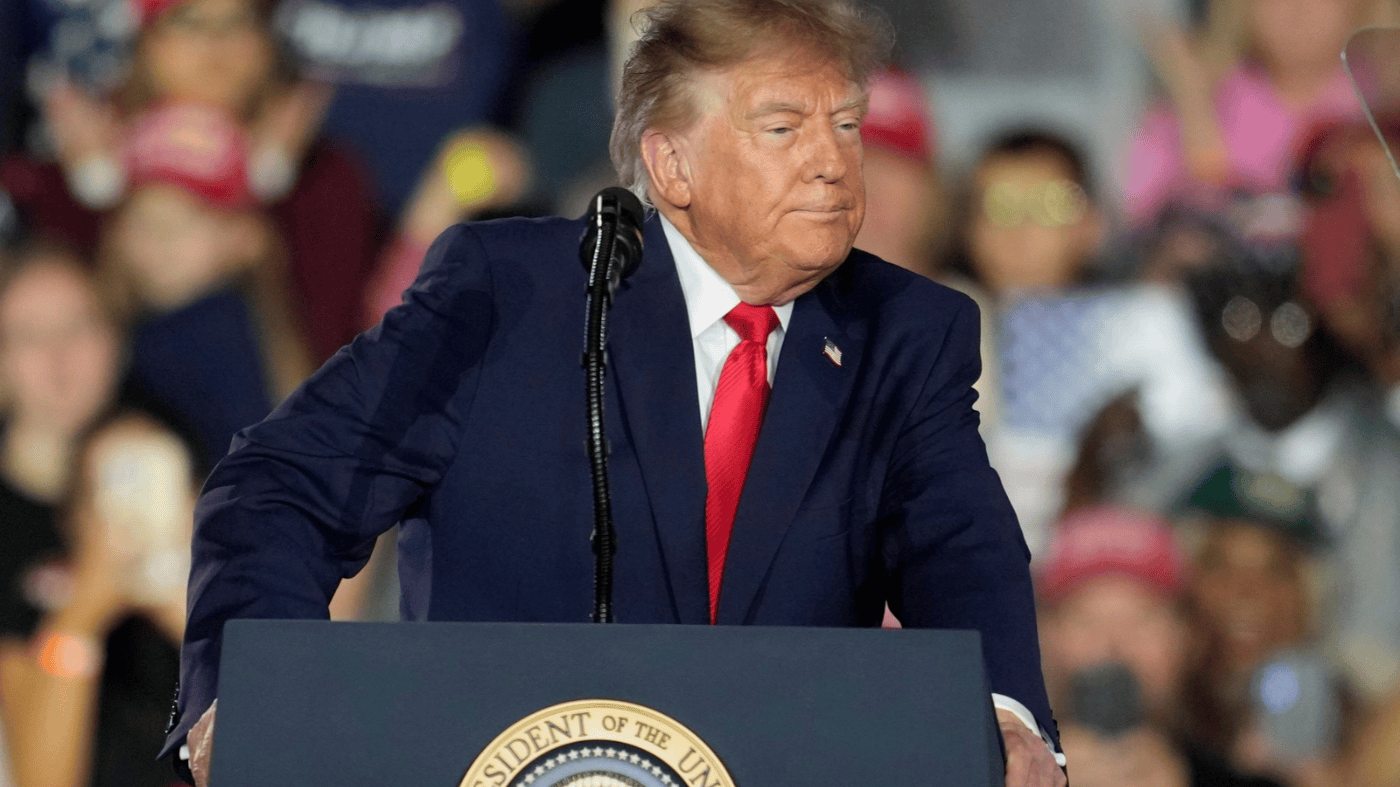
President Trump is scheduled to hold in-person rallies in Iowa and Kansas on Sunday, after briefly canceling those appearances in favor of virtual events. Both states are considered critical battlegrounds where GOP support has eroded this cycle. The president's last-minute sprint underscores the party's anxiety about retaining its majorities.
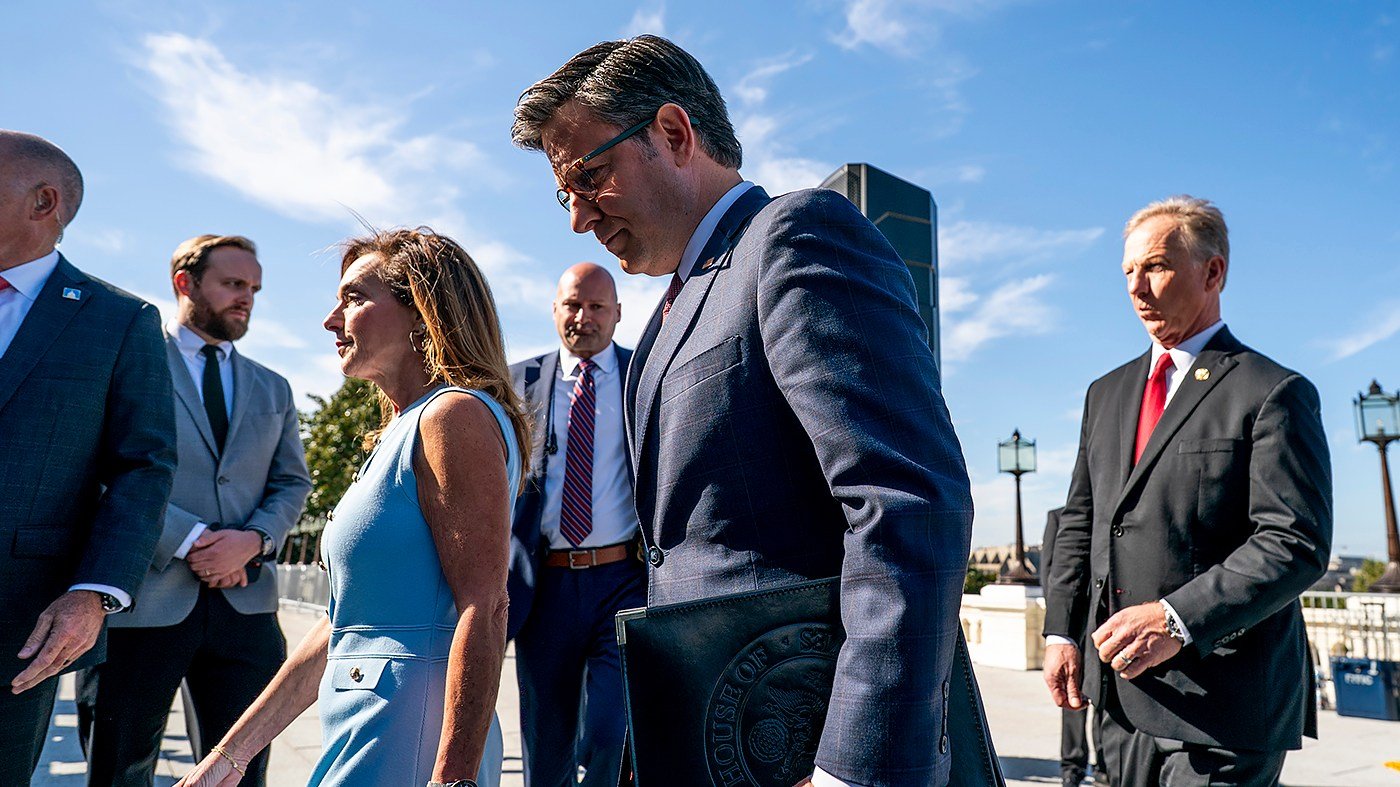
The political turbulence will not end when polls close. House Republicans have slated their leadership elections for November 10, just one week after Election Day. Members seeking leadership posts must declare their candidacy by noon Friday. If Republicans lose the House, the race for minority leader could become a flashpoint, with Speaker Mike Johnson (R-La.) facing potential challenges from within his own conference. House Majority Leader Steve Scalise (R-La.) and Judiciary Committee Chair Jim Jordan (R-Ohio) are both seen as possible contenders if Johnson's position weakens.
In a sign of the stakes, House Oversight Committee Chair James Comer (R-Ky.) launched an investigation last week into allegations that Democrat Mary Peltola's campaign tried to recruit spoiler candidates to siphon votes from incumbent Sen. Dan Sullivan (R-Alaska). The probe adds another layer of controversy to an already heated election season. Alaska's certification process could be affected, according to Governor Mike Dunleavy.
Final Pitches and Competing Visions
As early voting continues across the country, both parties are making their closing arguments. Democrats have pledged to launch aggressive oversight of the administration if they win either chamber, including investigations into Trump and his inner circle, and to block key elements of his agenda. Republicans, in contrast, aim to preserve their majorities to advance Trump's priorities and shield the administration from Democratic scrutiny.
Speaker Johnson told Fox News's Laura Ingraham that he believes polls showing Democratic leads are underestimating GOP support. "I think it's [polls are] even further off this time because more and more Republicans are unwilling to participate in these surveys," Johnson said. "They don't want to give their information to someone on the phone. … They're calling it the partisan nonresponse bias." Senate Majority Leader John Thune (R-S.D.) echoed that sentiment, telling The Washington Sun, "We've done all we can do, and with the things that we can control."
House Minority Leader Hakeem Jeffries (D-N.Y.) offered a starkly different view in an MS NOW interview, asserting that "the American people now clearly and decisively trust Democrats on all the issues that matter." Jeffries cited Democratic advantages on the economy, inflation, the cost of living, the war, the deficit, health care, and immigration enforcement, which he said should be "fair, just, and humane."
Leadership Turmoil and the Road Ahead
The GOP's leadership contest could become a referendum on Johnson's stewardship. Despite Trump's public endorsement of Johnson, some Republicans believe a decisive Democratic victory would make Johnson a liability. "I would imagine there to be more of a push for someone else, just given that over, you know, a billion dollars has been spent on the midterms alone," a GOP staffer told The Hill. If Johnson steps aside, Scalise and Jordan are expected to vie for the top spot. A separate staffer suggested that Scalise, given his current role as majority leader, would have an "easy transition" to minority leader.
The outcome of Tuesday's vote will also have broader implications. The results could reshape the 2028 presidential field, as both parties recalibrate their strategies. Meanwhile, House Democrats are preparing a legislative package to curb presidential power, signaling a confrontational agenda if they retake the chamber. And student loan battles could intensify under Democratic oversight.
As Americans head to the polls, the only certainty is that the political landscape will shift—and the fight for control of Congress is far from over.