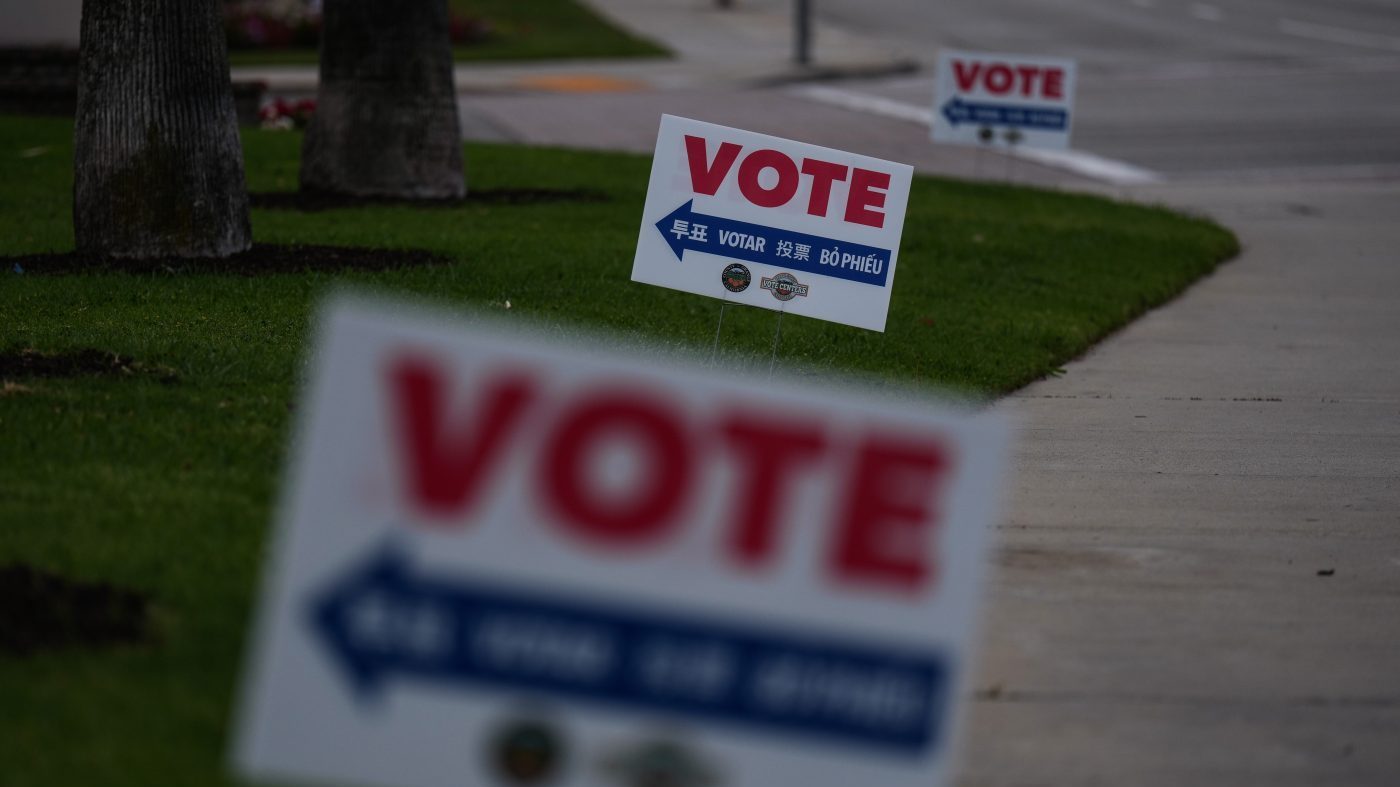
The final weekend before Tuesday's midterm elections is drawing to a close with both parties scrambling to shore up support as control of Congress hangs in the balance. Decision Desk HQ, which partners with The Hill, currently gives Democrats an 83 percent chance of winning the House and a 63 percent chance of flipping the Senate.
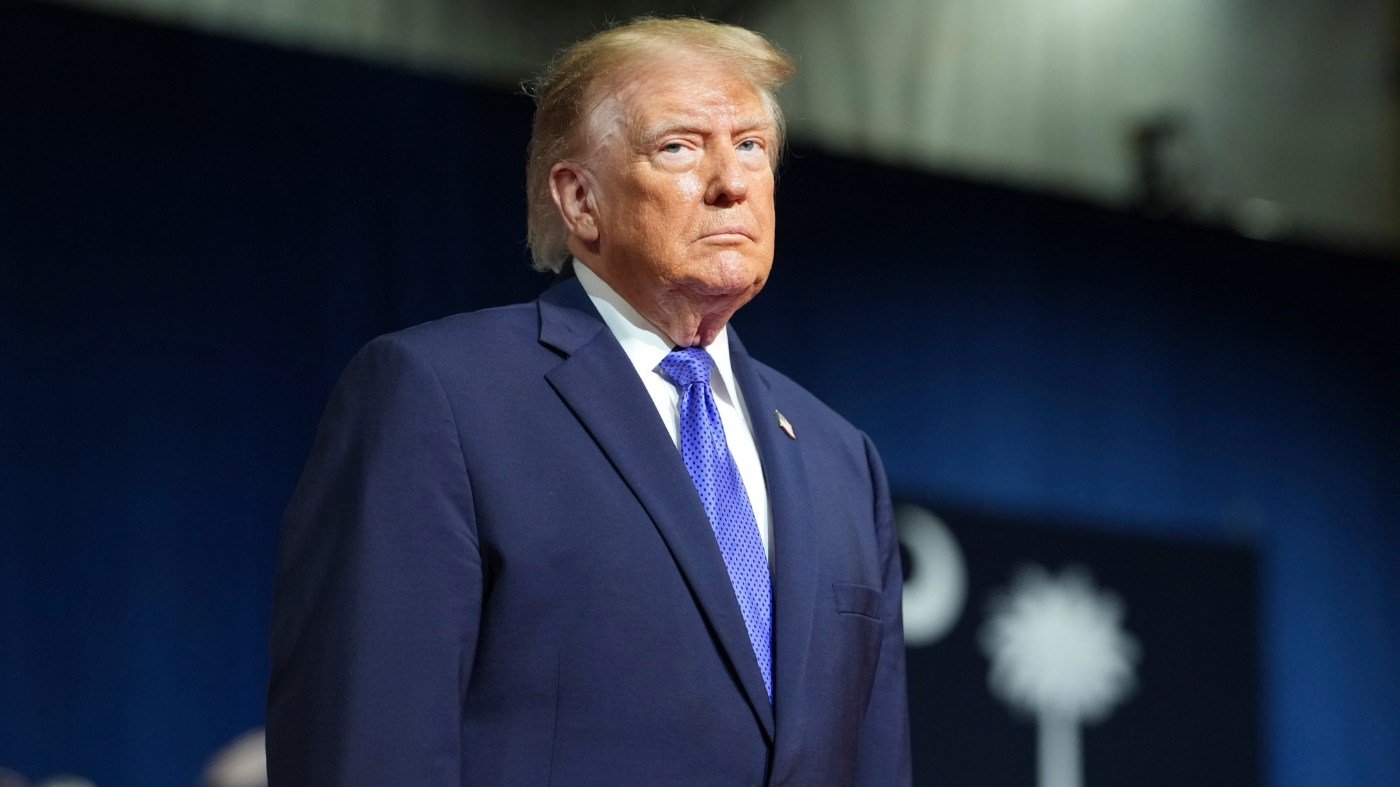
President Trump, who had initially scrapped in-person events in Kansas and Iowa in favor of tele-rallies, reversed course and rescheduled both rallies for Sunday. The last-minute change underscores the GOP's anxiety about holding its majorities, especially as House control hinges on a handful of toss-up races.
Trump's return to the campaign trail comes amid broader concerns about his electoral influence. Recent contests, including Brazil's election, have raised questions about the limits of Trump's electoral leverage abroad, but his domestic rallies remain a central part of the GOP's get-out-the-vote effort.
Meanwhile, Democrats are struggling to project unity in Michigan, where a planned "unity rally" in Detroit has devolved into a public spat. The event, hosted by South Carolina Representative James Clyburn, was meant to bring together Senate nominee Abdul El-Sayed and Representative Haley Stevens, whom El-Sayed defeated in the primary. But tensions flared over a campaign ad Stevens labeled as antisemitic, prompting El-Sayed to accuse her of trying to relitigate their primary battle and to ask her not to attend.
The dispute has exposed deeper divisions within the party over Israel and the broader progressive-moderate fault line. "This is not about unity; it's about accountability," El-Sayed said in a statement, while Stevens defended her criticism of the ad, saying it crossed a line. The clash highlights the challenges Democrats face as they try to rally around a common message ahead of the election.
Despite the infighting, Democrats are hopeful about their prospects, with Democrats eyeing midterm gains as Trump looms over GOP prospects. The party is banking on voter anger over abortion rights and concerns about democracy to drive turnout, while Republicans are focusing on inflation and crime.
Trump's decision to hold in-person rallies in Kansas and Iowa, two reliably Republican states, suggests the GOP is not taking any chances. The president's appearances are likely to energize the base, but they also carry risks, as his polarizing style could alienate swing voters in key suburban districts.
With just days left, both parties are making their final arguments. The outcome will hinge on turnout in a handful of battleground states, and the events of this weekend could prove decisive in shaping the political landscape for the next two years.