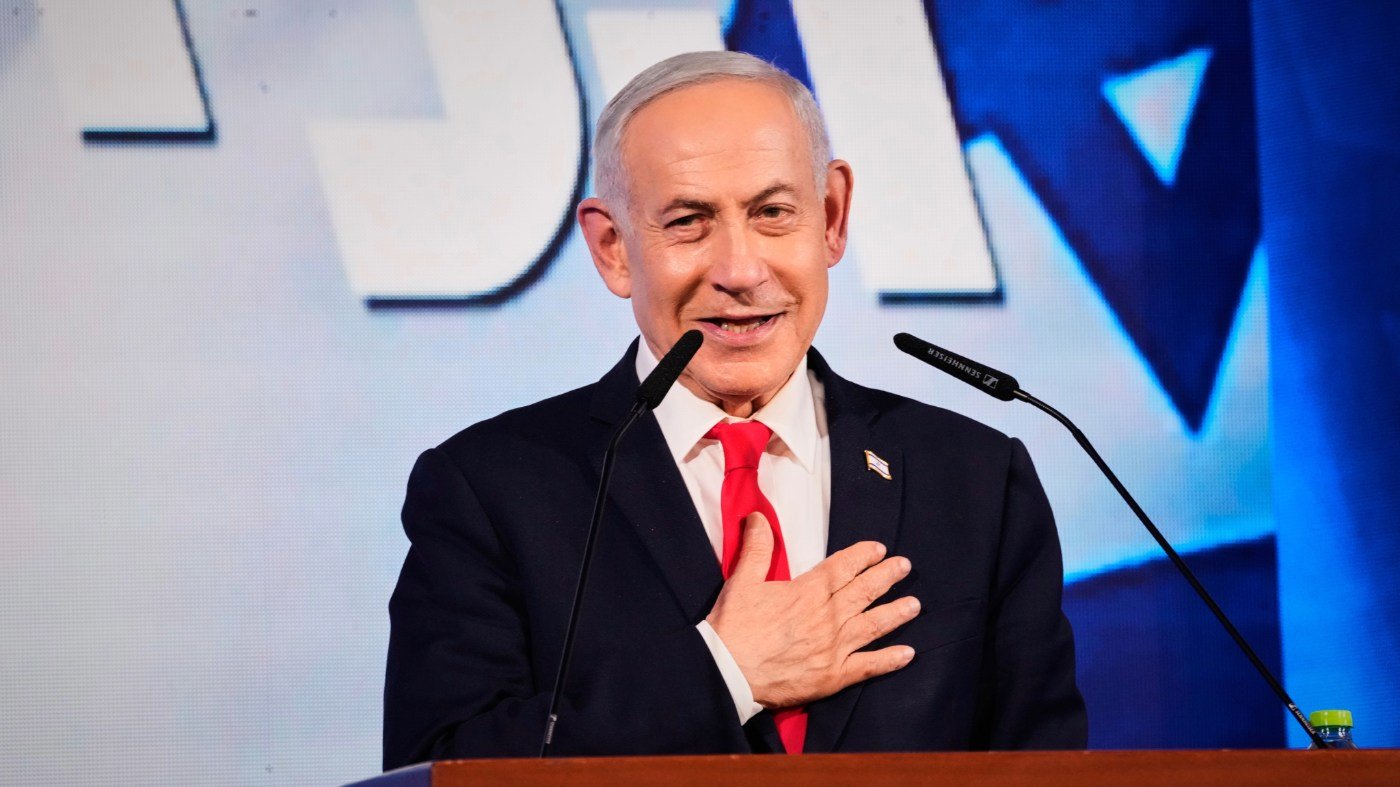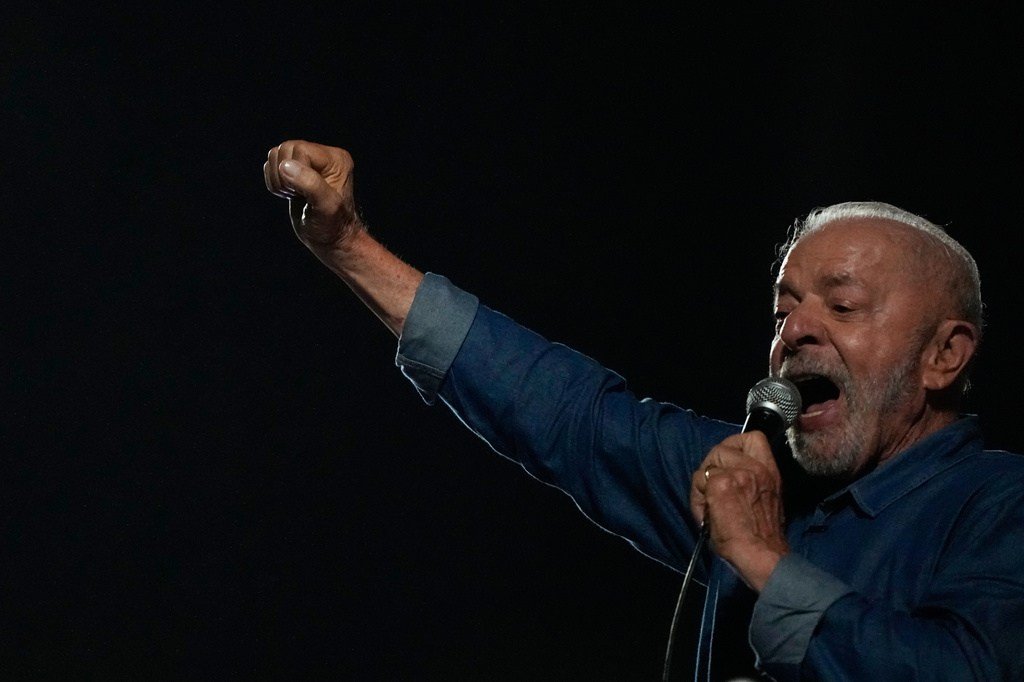
Argentine President Javier Milei and Brazilian President Luiz Inácio Lula da Silva rarely see eye to eye, yet both owe their recent electoral successes to President Trump. A year ago, Milei's party triumphed in Argentina's midterms after Washington linked a $20 billion bailout to the outcome. On Sunday, Lula secured a fourth term in Brazil following more than a year of US tariffs and sanctions tied to the fate of the Bolsonaro family. Only one was meant to benefit.
The immediate takeaway from Brazil is that Trump's push for friendly governments in Latin America has stalled. But that reading misses the broader record. Since returning to office, Trump has endorsed, funded, or threatened his way into at least seven foreign elections, and the results follow a clear pattern: when he acts as a patron offering something voters need, his allies win; when he punishes an entire country or offers only cheerleading, they lose.
The Patron Effect
Start with the patron role. Trump told Milei at the White House, "If he loses, we are not going to be generous with Argentina," and Milei's party took 40.8 percent. In Honduras, Trump warned Washington wouldn't "throw good money after bad" if Nasry Asfura lost—Asfura won by less than a point. In Poland, Trump hosted Karol Nawrocki at the Oval Office, and his Homeland Security secretary hinted at deeper US military ties; Nawrocki won narrowly. In Colombia, where Washington had already sanctioned the president, Trump endorsed Abelardo de la Espriella, who won a runoff so close his rival demanded a recount. Every win was narrow—in a tight race, a credible offer is enough.
The Punisher's Backfire
Then the punisher. In Canada, Trump's tariffs and talk of a 51st state erased a Conservative lead and returned the Liberals under Mark Carney, who told voters Trump wanted "to break us so America can own us." In Brazil, Washington imposed 50 percent tariffs in July 2025, citing the prosecution of Jair Bolsonaro. It revoked visas of eight Supreme Court justices and sanctioned the judge leading the case. This July, it added a 25 percent tariff, with Marco Rubio blaming Lula's "ego." On the eve of the vote, Reuters reported two State Department officials pushed sanctions meant to tilt the election toward the Bolsonaros.
Brazil's leading pollsters had Flávio Bolsonaro ahead 51-49 percent the day before the vote. He lost by 4.4 million votes. Notably, Flávio declined to seek Trump's endorsement for the runoff, despite having sat with him in the Oval Office five months earlier. Lula closed by declaring Brazil "will not accept being anyone's backyard."
The Cheerleader's Noise
The third role is the cheerleader. Trump gave Viktor Orbán his "Complete and Total Endorsement," Vice President JD Vance flew to Budapest, and Hungarians were promised prosperity. Yet Orbán's Fidesz took only 37.8 percent, while Péter Magyar's Tisza won 53.6 percent and 138 of 199 seats, running against corruption and for mended EU ties. Trump later claimed, "I wasn't that involved."
Sort the cases and a rule emerges. A conditional offer turns an election into a transaction, and voters in countries short of dollars or aid can price it. A punishment aimed at the whole nation turns the election into a referendum on national sovereignty, and the candidate who stands up to Washington wins. An endorsement with nothing behind it is noise. Voters abroad will take Washington's money, but they will not take its orders.
Brazil shows why punishment fails against a country with options. China bought 28.7 percent of Brazil's exports in 2025; the US bought 10.8 percent. Under tariffs, shipments to America fell 35.4 percent year-on-year in October 2025, yet Lula could tell the UN General Assembly last month that exports were at a record. A country that can absorb a penalty has no reason to obey it—and its voters have every reason to resent it.
None of this means Washington decided these elections alone. Colombians voted on fear of armed groups, Hungarians on corruption, Brazilians on prices and pensions. Lula's campaign brought nearly 3 million more voters to the polls between rounds. But elections are won at the margin, and Honduras was settled by fewer than one vote in a hundred. In races that close, an American offer or threat becomes the frame through which the last undecided voter decides.
The lesson Washington is likely to draw from Brazil is the convenient one: pay, don't punish. But that policy sorts the world's democracies into two classes—those dependent enough to be bought and those independent enough to be provoked. The first will keep electing Washington's friends by thin margins; the second will keep rewarding leaders who run against it. Neither produces the kind of ally that holds when it matters.
The next test is France, which chooses a president in April 2027. When a court convicted Marine Le Pen of embezzlement last year, Trump responded with a post ending "FREE MARINE LE PEN!" She is now cleared to run. France is no Argentina: Washington has no rescue to offer, and no penalty French voters would quietly accept. If the pattern holds, the most useful thing Trump can do for Le Pen is stay away from her campaign. Brazilians showed on Sunday what his help costs.